5 Steps to Launching Your Own Roofing Business
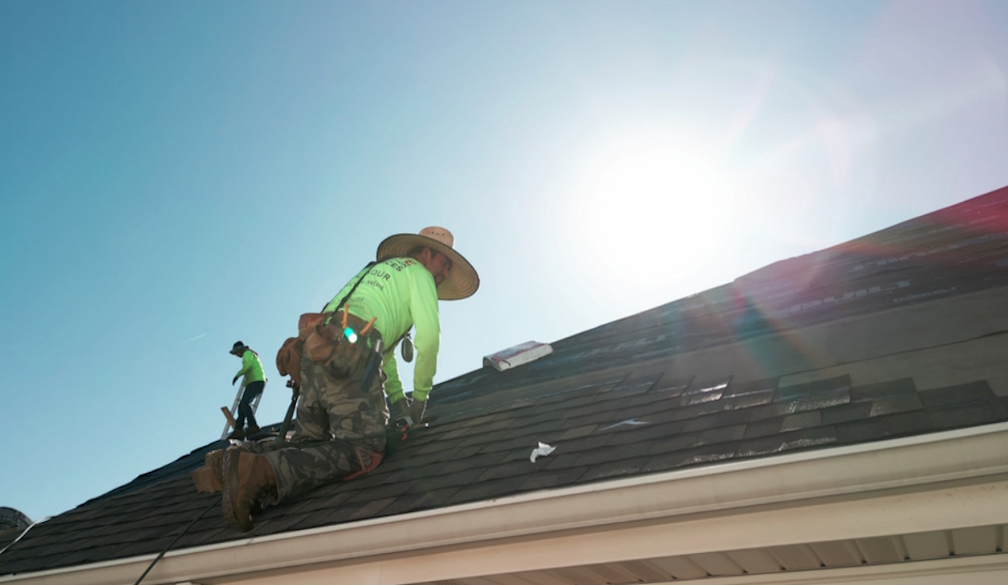
Starting a roofing business takes more than trade knowledge and a willingness to work hard. You need a clear plan for services, operations, customer trust, finances, and long-term growth. A strong launch gives you a better chance to build a company that can compete in a demanding home services market while serving property owners with consistency and professionalism.
1. Define Your Services and Target Customers
Before you launch, decide which roofing services your business will provide. Many new companies begin with residential repairs, replacements, inspections, and storm-related work before expanding into larger commercial projects. Choosing a focused service mix helps you price jobs more accurately, buy the right equipment, and explain your value clearly to potential customers.
According to Roofing Contractor Magazine, roofing work for single-family homes accounts for 60% of the residential roofing market. For a new business, that points to a large and important customer segment. Homeowners often need roof repairs after storms, replacements as materials age, and guidance when choosing between asphalt shingles, metal roofing, tile, or other options.
2. Handle Licensing, Insurance, and Business Setup
A roofing company needs the right legal and financial foundation before accepting jobs. Requirements vary by state and local area, so check contractor licensing rules, business registration requirements, tax obligations, and any bonding expectations. Proper setup helps protect your business, your customers, and your ability to operate without avoidable interruptions.
Insurance is especially important because roofing involves heights, tools, vehicles, materials, and property risk. General liability coverage, workers' compensation, commercial auto insurance, and equipment coverage may all be relevant depending on your structure. Setting up bookkeeping early also helps you track expenses, estimate tax payments, monitor cash flow, and understand whether each job is profitable.
3. Build Supplier Relationships and Material Knowledge
Reliable supplier relationships can affect your pricing, scheduling, and ability to complete projects on time. Roofing materials can vary by climate, budget, lifespan, appearance, and maintenance needs. Learning the strengths and limitations of each option helps you make practical recommendations and avoid overpromising on performance or durability.
According to Metal Roofing Alliance, metal roofs are fully recyclable and contain at least 25% recycled material, depending on the metal type. Facts like that can help you answer customer questions about material choices, especially when homeowners are interested in durability, sustainability, or long-term value. Product knowledge also supports better estimates because material selection has a major impact on project cost.
4. Create a Pricing and Estimating System
Accurate estimating is one of the most important skills for a roofing business owner. Your pricing should account for labor, materials, removal, disposal, permits, overhead, equipment, travel time, insurance, and profit. Underpricing can keep you busy while weakening your business, while unclear estimates can create confusion with customers.
Create a repeatable system for measuring roofs, documenting project scope, and explaining what is included. A professional estimate should be specific enough for the customer to understand the work without feeling overwhelmed. Clear pricing also helps your crew know what has been approved, what materials are needed, and how the job should be scheduled.
5. Market Your Business and Build Trust
Once your business is legally ready and operationally organized, you need a steady way to reach customers. A professional website, Google Business Profile, local service pages, yard signs, referral requests, and review generation can all support visibility. Roofing is often a high-trust purchase, so your marketing should emphasize clear communication, dependable service, and practical information.
According to RubyHome.com, about 5 million roofs are installed each year. That level of demand shows why roofing can be a strong business opportunity, but it also means customers have choices. New roofing companies need to earn trust through timely responses, honest assessments, clean job sites, quality workmanship, and follow-through after the project is complete.
Launching your own roofing business takes preparation, discipline, and a willingness to keep improving. By defining your services, setting up your business properly, learning your materials, pricing carefully, and marketing with credibility, you can build a stronger foundation from the start. A roofing company grows best when each job supports the next through satisfied customers, organized systems, and consistent work.


 Business Daily Media