A Practical Buyer’s Guide to Inspecting Older Queenslander Homes
Queenslander homes have a certain pull. High ceilings, timber details, wide verandas, and that unmistakable character you do not get from newer builds. But charm can sometimes mask complexity. Buying one is rarely straightforward, especially if the property has seen decades of modifications, repairs, or simply wear from the coastal climate.
If you are considering an older Queenslander, it helps to go in with clear eyes. Below are the key areas that deserve attention, based on what inspectors regularly uncover.
Foundation and Stumping Issues
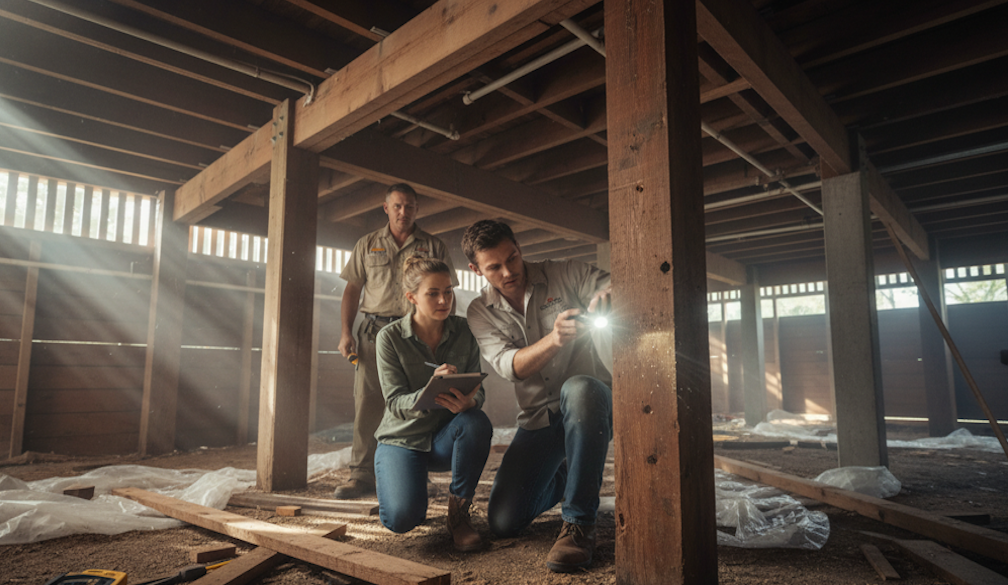
One of the first things inspectors look at is the subfloor. Traditional Queenslanders are elevated on timber or concrete stumps, which makes them prone to movement over time.
Uneven floors, doors that do not close properly, and visible cracking can all point to foundation issues. In many cases, the stumps may have deteriorated or shifted due to soil movement or moisture.
Restumping is not uncommon and can be manageable if planned for, but it is not a minor expense. What matters is whether the movement is ongoing or has already stabilised. A thorough inspection helps clarify this, especially when you are trying to decide if the issue is cosmetic or structural.
Timber Condition and Rot
Timber is central to Queenslander construction, and it is also one of the biggest risk areas.
Over time, exposure to humidity, rain, and poor ventilation can lead to rot. This often shows up in external cladding, verandas, window frames, and structural beams. The tricky part is that damage is not always visible from the outside.
Inspectors will probe timber elements to assess their integrity. Soft spots, flaking, or moisture retention are all signs that repairs may be needed. In coastal areas, this becomes even more important due to higher moisture levels in the air.
Termite Activity and Pest Risk
Queenslanders are particularly vulnerable to termites because of their timber structure and raised design.
Even well maintained homes can be at risk if preventative measures are not in place. Inspectors look for both active infestations and historical damage, which can sometimes be hidden beneath floors or inside walls.
According to data from CSIRO, termites cause hundreds of millions of dollars in property damage across Australia each year. This is not a rare issue, which is why pest inspections are critical for older homes.
The presence of termite barriers, treatment history, and environmental conditions all factor into the overall risk assessment.
Roofing and Drainage Concerns
Roofing on older Queenslanders can vary widely depending on updates made over the years. Some still have original materials, while others have been replaced or patched.
Inspectors check for corrosion, loose sheeting, and signs of leaks. Water damage often shows up in ceilings or roof cavities, and even minor issues can lead to larger problems if left unaddressed.
Drainage is another key factor. Poor water flow around the property can affect both the structure and the stumps underneath. Blocked gutters or inadequate downpipes can quietly contribute to long term damage.
Electrical and Plumbing Systems
Many Queenslanders have undergone partial upgrades, which can create a mix of old and new systems.
Outdated wiring is a common finding. In some homes, original electrical systems may not meet current safety standards, especially if modifications have been done over time. Inspectors assess whether the system is functional, safe, and compliant.
Plumbing can present similar challenges. Older pipes, particularly galvanised steel, may be prone to corrosion or reduced water pressure. Bathrooms and kitchens that have been renovated are usually less of a concern, but older sections of the home can still carry hidden risks.
Renovations and Compliance
Queenslanders are often renovated, extended, or raised, and not all of this work is properly documented.
One of the more overlooked risks is unapproved building work. Deck extensions, enclosed verandas, or converted spaces may not meet current regulations or may not have council approval.
This matters more than many buyers realise. Non compliant structures can affect insurance, resale value, and even financing in some cases. Inspectors typically flag anything that appears inconsistent or poorly executed, but it is also worth cross checking with council records.
Ventilation and Moisture Control
These homes were originally designed for airflow, but changes over time can disrupt that balance.
Enclosed spaces, added insulation, or blocked vents can lead to moisture build up. This creates the perfect environment for mould, timber decay, and even pest activity.
Inspectors pay close attention to ventilation, especially in subfloors and roof spaces. A well ventilated Queenslander tends to age far better than one that has been sealed up without considering airflow.
Local Conditions and Environmental Factors
Location plays a bigger role than many buyers expect. Queenslanders on the coast face different challenges compared to those further inland.
Salt exposure can accelerate corrosion, while higher humidity increases the risk of timber issues and pests. This is why a Gold Coast building and pest inspection often involves a closer look at environmental wear and tear compared to inspections in drier regions.
Local experience matters here. Inspectors who understand regional conditions can identify risks that might be missed in a more general assessment.
Interpreting the Inspection Report
Receiving the report is where many buyers feel overwhelmed. There is often a long list of findings, and not all of them carry the same weight.
Some issues are maintenance related and expected in older homes. Others may require immediate attention or impact the property’s structural integrity.
A good approach is to separate findings into three categories: urgent repairs, medium term maintenance, and minor cosmetic issues. This helps you prioritise what matters and avoid overreacting to less critical items.
As one experienced inspector put it during a recent property seminar, “Older homes are not perfect, and they do not need to be. What matters is understanding the risks and knowing what you are taking on.”
Making a Confident Decision
Buying a Queenslander is rarely about finding a flawless property. It is about understanding the condition, the risks, and the potential.
A thorough inspection gives you clarity. It allows you to negotiate with confidence, plan for future costs, and avoid unpleasant surprises after settlement.
In many cases, the issues uncovered are manageable with the right expectations. The key is not to skip the process or rush through it.
Final Thoughts
Queenslander homes offer character and lifestyle benefits that are hard to replicate. At the same time, they require a more careful approach during the buying process.
From stumping and timber condition to compliance and environmental exposure, there are multiple layers to consider. Taking the time to assess these properly can make the difference between a rewarding purchase and an expensive mistake.
If you approach the process with the right level of diligence and the support of experienced professionals, owning a Queenslander can be as rewarding as it is unique.


 Business Daily Media