The Rise of Mobile-First Venues
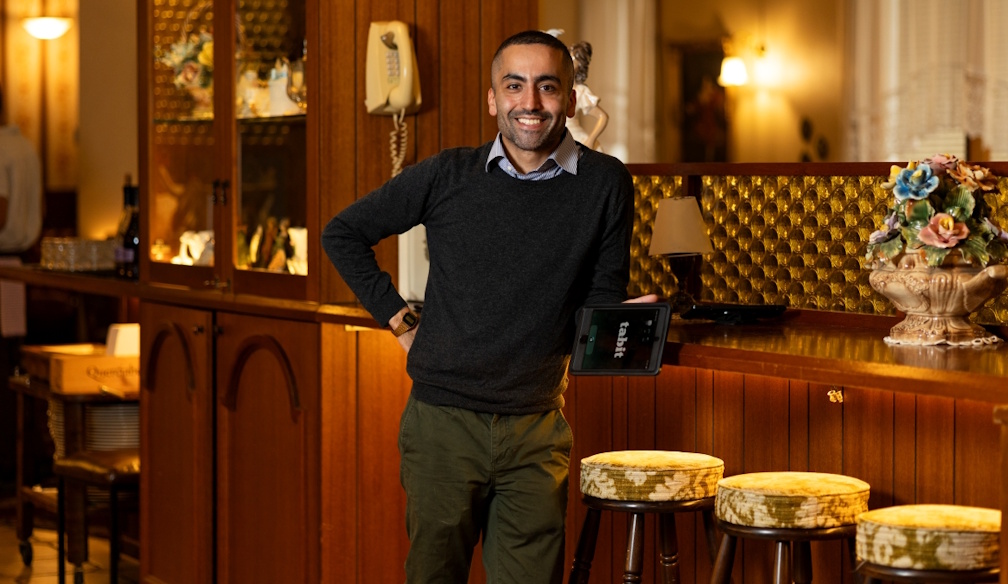
Global Hospitality Platform, Tabit, Reveals Five Ways to Maximise Benefits of Mobile-First Systems
As Australian hospitality venues grapple with rising wages, ongoing staff shortages, escalating fuel and transportation costs and increasingly tight margins, technology that drives operational efficiency has become a key point of differentiation across the hospitality sector. At the same time, for many operators, technology itself is also becoming a significant cost centre.
While some venues continue to rely on point-of-sale systems designed more than a decade ago or adapt generic tablet-based software never built for the pace of modern service, many are now shifting towards mobile-first solutions. However, with an increasingly crowded market, identifying the right platform and how to maximise its benefits has become more complex.
Rapidly expanding its footprint in Australia, Tabit is a leading global hospitality platform for enhancing restaurant profitability and operational efficiency through mobile-first, handheld technology.
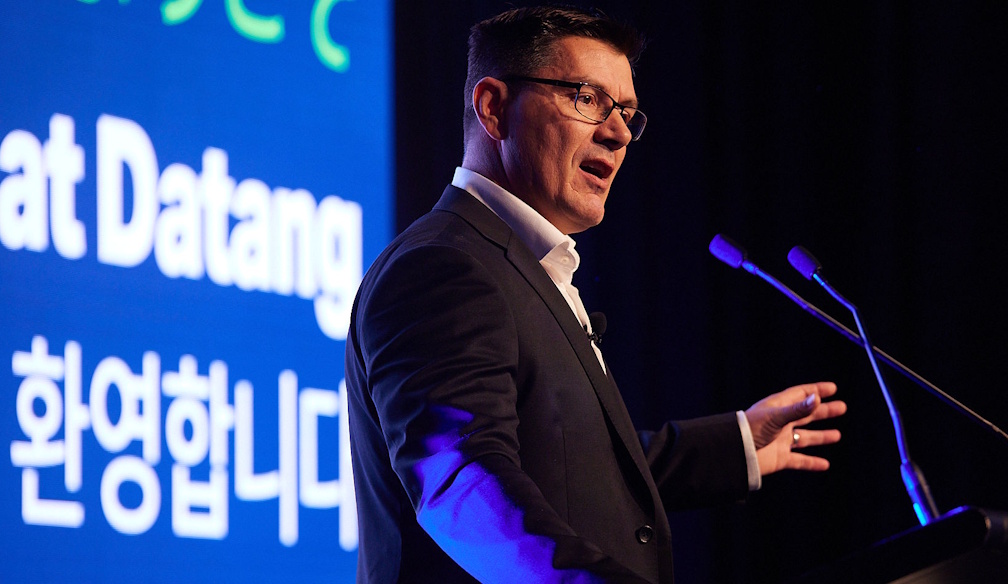
Drawing on insights from venue operators it works with across Australia and globally, Tabit CEO and co-founder, Barry Shaked, says there are five non-negotiables to consider when choosing a hospitality technology platform, and shares top tips for Australian operators to ensure they are maximising the benefits of a mobile-first system.
Five tips for choosing a mobile-first technology platform and how to maximise its benefits, according to Tabit CEO and co-founder, Barry Shaked:
- Does the technology genuinely reduce labour pressure?
Restaurants move quickly. If the technology slows staff down, it becomes a cost rather than a tool. The goal should be giving teams the ability to focus on guests, not screens.
Ensure all staff is proficient with the technology to ensure the platform performs optimally.
Staff should be familiar with how to take orders tableside and process payments instantly so they can manage more tables without needing to return to a central terminal.
The platform should reduce unnecessary movement and free up time for guest interaction.
- Does the technology include built-in tools to increase spend per table?
Good hospitality technology today should include guided ordering prompts, menu recommendations and guest history tools that help staff suggest additional items naturally during service.
- What does the technology reveal for fewer errors and faster service?
It’s key to ensure you’re considering the data provided on the backend of a system so you can identify where improvements can be made on the ground; a good technology platform should reveal this clearly.
Also ensure all members of your team are on-board with the sending of orders directly to the kitchen through the mobile-first platform, and not through other systems like traditional hand-written methods, to maximise efficiency and minimise the errors in service and payment.
Joel Hales, Executive Chef at Melbourne’s popular new sandwich bar, Sangaweech, says: “As a new start-up, the data provided on the backend with Tabit is crucial to our success because it allows us to clearly see what’s performing well and where improvements are needed.”
- Does the technology support stronger guest relationships?
While hospitality is fundamentally people-first, legacy systems often force staff to spend more time navigating screens than engaging with guests.
The best platforms are designed to enhance, not replace, human interaction by providing visibility of guest preferences, dietary requirements and visit history to enable more personalised service.
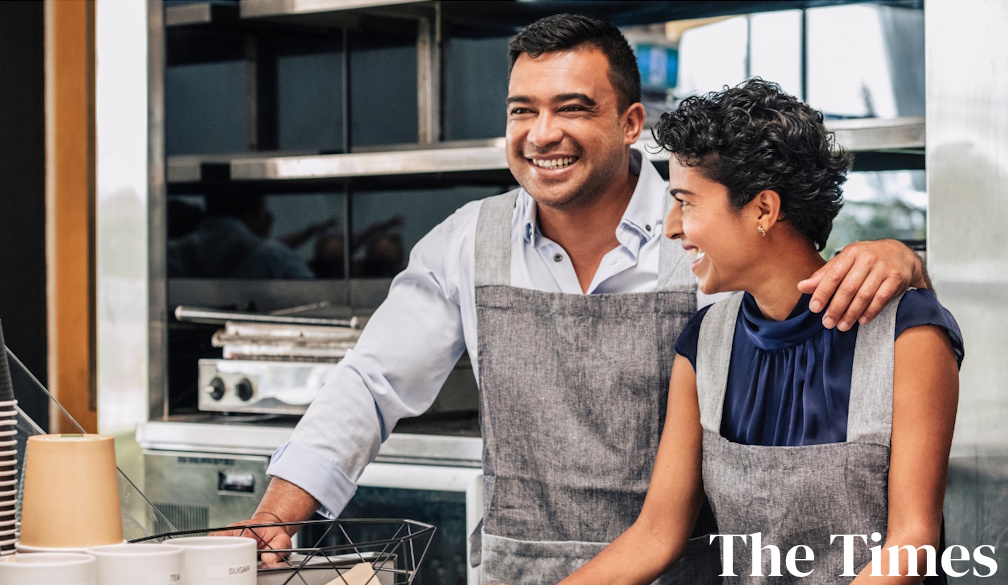
Annie Karam, owner of Speedos Cafe in Bondi, says the difference is immediately noticeable.
“Being able to see guest preferences and previous orders helps our team make better recommendations. It takes the guesswork out and makes the experience more personal,” says Annie Karam.
A modern mobile-first system should allow for a positive cultural shift rather than just a technical shift. It should allow staff to spend more time on the floor with guests, and less time behind terminals.
- Does the technology connect the entire venue in one system?
Many hospitality venues still rely on disconnected systems spanning POS, payments, kitchen displays, reporting and third-party delivery platforms, creating inefficiencies and fragmented data.
The best modern platforms increasingly unify these functions into a single connected ecosystem, giving operators real-time visibility across the entire venue. This level of integration allows for clearer insight into menu performance, service flow and overall trading conditions, enabling faster and more informed decision-making.
For more information and advice on maximising mobile-first technology solutions in hospitality, visit: https://www.tabit.cloud/
About Tabit:
Tabit is a mobile-first hospitality platform developed in Israel by technology entrepreneur Barry Shaked and hospitality specialist Nadav Solomon.
Founded in 2014, the system was designed specifically for restaurants, cafes and bars, with a focus on tableside ordering, integrated payments and real-time reporting. The platform has since expanded internationally and is now being adopted by venues across Australia.