Millennial couple forge forward with property investment
- Written by: Media Release

Botany (NSW) couple, Ryan Atkins and Zita Malinauskaite, have found financial freedom this year, despite the global economic uncertainty. Since March 2020, the couple have purchased their first investment property, as well as reducing their mortgage and personal debt, with the advice of Infinity Group Australia, recently named “Most Innovative” in the Advisor 2020 Broking Awards.
A third of Millennials (those aged between 24-39) and a quarter of all Australians expect to buy a property in the next two years, with many having used the lockdown to accelerate their home ownership journey, according to ING research.
ING’s Future Focus: Homeownership Report, which pulls on two surveys of more than 1,000 Australian home buyers conducted by YouGov in June 2020, has revealed that COVID-19 has made home ownership seem more achievable to buyers. The survey found that more than half of respondents (69 per cent) added that the pandemic had forced them to take more control over their finances.
Ryan Atkins & Zita Malinauskaite (34 & 30) – Refinanced & purchased investment x2
-
Since March 2020 and being on the program they have:
-
Reduced their debt by $3,454, while also having spare cash to spend on expenses for their upcoming wedding;
-
Purchased an investment property in Queensland;
-
Set up a Self Managed Super Fund (SMSF) with the help of a financial planner and
-
Are in the process of purchasing an additional investment property in Victoria.
-
-
The interest rate for their existing property was refinanced
-
Their personal debt was consolidated
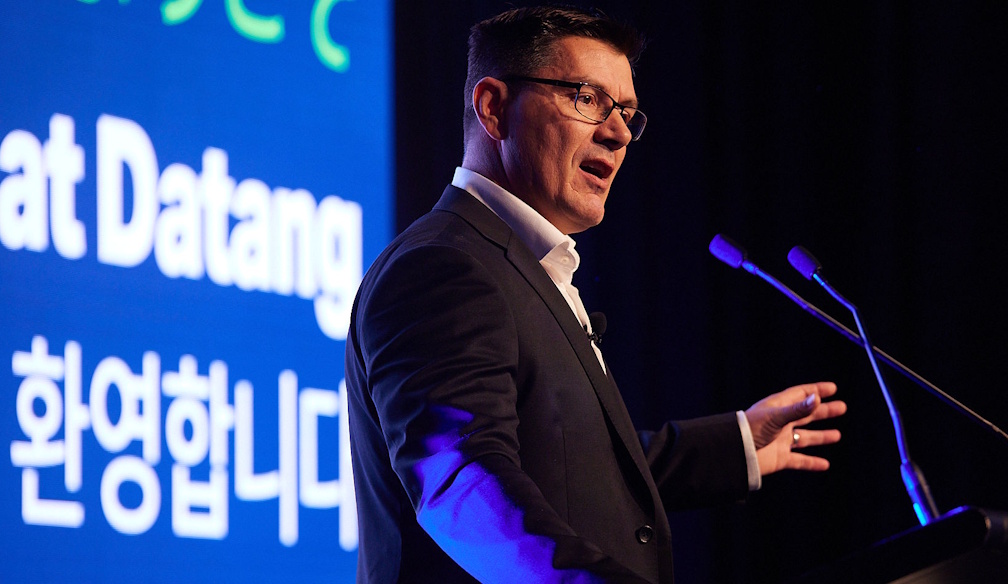
The young couple attribute their success to Infinity Group Australia and their expert advice. They signed up for Infinity Group Australia’s Masterclass after seeing a presentation by the group’s CEO and Co-Founder Graeme Holm, at the National Acheiver’s Congress in 2019. They then decided to commit to their ongoing financial coaching program following that and have been very happy with what they have been able to achieve.
Zita says “It’s the whole package, the whole system helps - I wouldn’t say it’s just one thing, it's everything. Now we are budgeting better than ever and we have one apartment and one house through Graeme’s advice. Now we can afford almost anything we need. All the little things help, budgeting and being able to afford more in terms of mortgage payments.”
An important part of this award-winning program is the one-on-one financial coaching that empowers each individual or family to understand where their money is going and how to make the best money choices. Ryan and Zita were assigned a coach who revised what their income was being spent on and where it could be saved or better utilised. This support includes a monthly check in, with their coach reporting back on how much they have saved, what financial successes they have had or where improvements can be made.
Ryan says “Everything is so transparent and we’ve been heavily involved all the way through so you can actually see how their advice is implemented. We have had everything explained to us and we plainly understand the steps we’ve taken to reduce our mortgage and purchase our first investment home.”
The couple report feeling more in control of their spending, more empowered to make financial decisions and armed with knowledge about how to budget and how to invest.
About Infinity Group Australia
Infinity is all about financial education and literacy
Infinity Group Australia is an award-winning Sydney-based mortgage brokerage, financial advisory and literacy firm, launched in 2012 by Co-Founders Graeme Holm and Rebecca Walker. Through their industry-leading financial personal training methods and money management models, Infinity Group Australia assists everyday Australians with mortgage reduction, debt reduction and wealth creation.
The Infinity team are also dedicated to delivering ongoing financial education and current financial information through their sell-out live events and online content drops.