Why Queensland Agribusinesses Are Rethinking Their Airborne Particulate Management
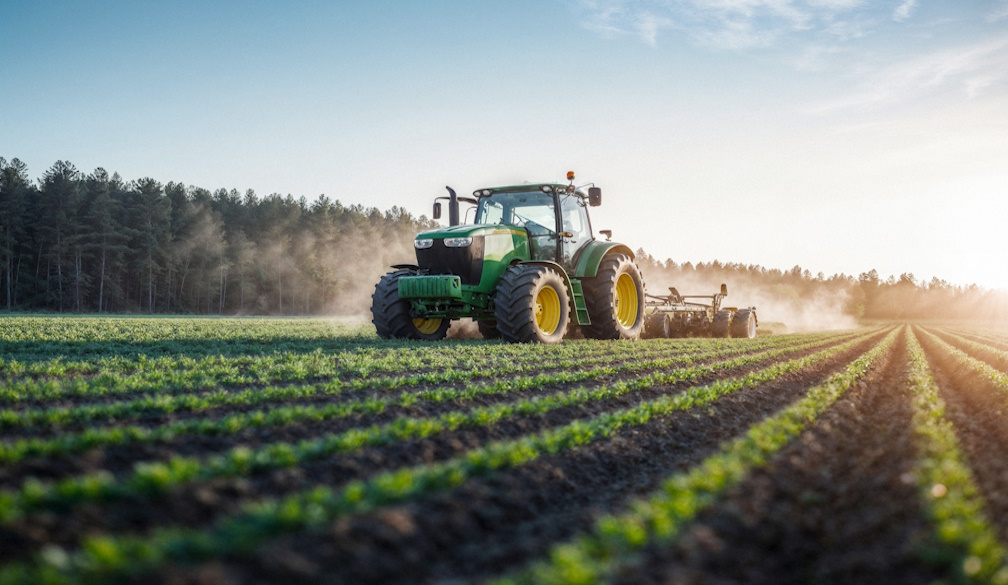
For agribusinesses operating across Queensland, managing environmental factors is a daily reality. However, one specific challenge is rapidly moving from a minor nuisance to a major operational priority. Airborne particulate matter, commonly known as dust, has significant implications for both rural farming operations and the logistics networks that support them.
As dry spells lengthen and agricultural transport intensifies, forward-thinking managers are realising that mitigating airborne particles is no longer just about being a good neighbour to surrounding properties. It is a critical component of risk management, asset protection, and overall business sustainability. This shift in perspective makes advanced suppression strategies essential for maintaining profitability in a highly competitive sector.
The Hidden Financial Costs of Poor Particulate Management
When airborne soil and fine particulates are left unchecked, the financial drain on an agribusiness can be staggering. Heavy machinery, transport vehicles, and processing equipment are all highly susceptible to abrasive wear. Fine dirt particles easily penetrate engine intakes, clog filtration systems, and contaminate lubricants. This accelerates mechanical breakdown and leads to costly, unplanned downtime.
For regional logistics hubs processing agricultural goods, finding effective Brisbane dust control solutions has become a core strategy for extending the lifespan of vital equipment. By stopping particulates before they become airborne, operators can drastically reduce their maintenance overheads. The upfront investment in proper suppression techniques directly offsets the exorbitant costs of repairing or replacing agricultural machinery parts and internal engine components over the long term.
Regulatory Pressures and Worker Safety
Beyond machinery maintenance, the most pressing catalyst for changing how agribusinesses handle site conditions is occupational health and safety. Farm managers and logistics operators have a legal and ethical duty to provide secure working environments for their personnel.
Under current regulations, a Person Conducting a Business or Undertaking (PCBU) must ensure that no person at the workplace is exposed to substances in an airborne concentration that exceeds prescribed levels. With Safe Work Australia actively managing strict new workplace exposure limits for airborne contaminants, rural facilities must proactively invest in mitigation measures to remain compliant and protect worker health. Respiratory issues caused by prolonged exposure to fine soil particles and agricultural dust can lead to severe long-term health consequences for staff.
Managing site conditions is not just about keeping operations flowing smoothly. As industry experts point out, maintaining strict workplace compliance is essential to avoiding costly financial penalties and protecting your team. Modern safety management requires a proactive approach where risks are neutralised at the source before they can cause harm.
Strategic Solutions for Modern Operations
To combat the financial and legal risks associated with airborne particulates, Queensland agribusinesses are implementing highly sophisticated management systems. Traditional methods, like relying solely on water trucks, are increasingly viewed as inefficient due to high water consumption and short-term effectiveness.
Instead, site managers are turning to a combination of strategic and technological solutions to lock down surface materials. Some of the most effective approaches include:
- Polymer surface treatments: Applying biodegradable polymer binders to unsealed roads and loading zones creates a durable crust that traps loose soil particles. This significantly reduces the need for constant watering and provides long-lasting stabilisation.
- Windbreaks and physical barriers: Strategic planting of vegetation or the installation of shade-cloth fencing around high-traffic areas helps to disrupt wind flow and contain airborne matter within specific zones.
- Traffic management protocols: Reducing vehicle speeds on unsealed roads and limiting access to certain areas during extreme dry conditions can drastically cut down on the volume of soil kicked up by heavy vehicle tyres.
- Automated monitoring systems: Installing modern sensors to track local air quality helps managers make data-driven decisions about when and where to deploy suppression resources most effectively.
Future-Proofing the Agricultural Supply Chain
As Queensland continues to navigate fluctuating weather patterns and increasing scrutiny from regulatory bodies, the imperative for robust site management will only grow stronger. Agribusinesses that treat particulate management as an afterthought are exposing themselves to unnecessary mechanical failures, regulatory fines, and workforce health issues.
Conversely, those who integrate advanced suppression technologies into daily operations secure a distinct competitive advantage. By protecting expensive machinery, ensuring the wellbeing of their workforce, and demonstrating a commitment to environmental stewardship, these businesses are building highly resilient operations. Ultimately, rethinking how airborne matter is controlled is a vital step toward future-proofing the entire agricultural supply chain for years to come.