Heat Shrink Tubing: Essential for Electrical Safety and Insulation
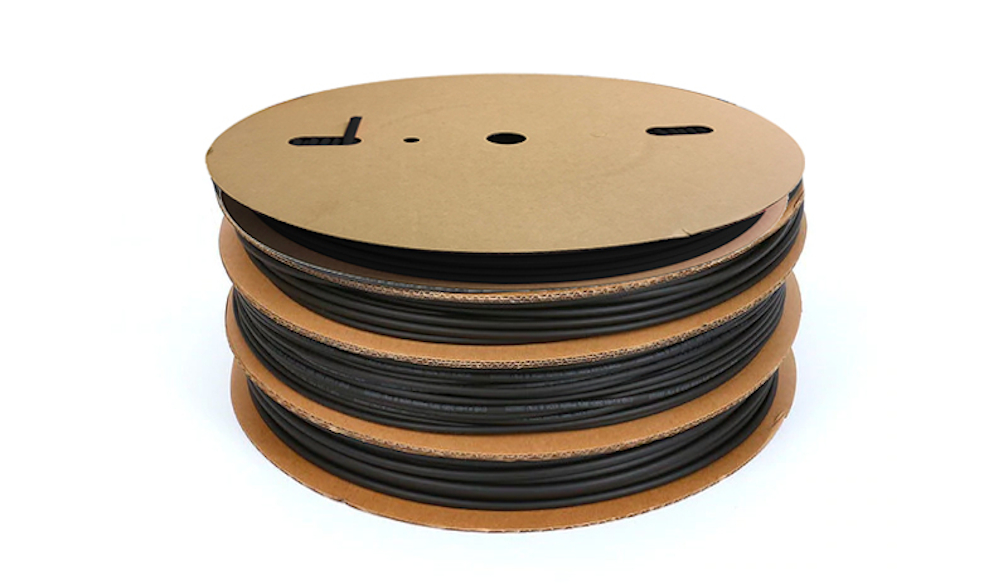
Heat shrink tubing is a critical component in electrical systems, designed to ensure safety, insulation, and protection. Heat shrink tubing provides dependable performance in a variety of industries, including electronics, automotive, and aerospace, whether it is used to protect delicate components or to organize disorganized wiring. Made primarily of polyolefin, a durable and versatile polymer, this tubing is known for its flexibility, resistance to environmental factors, and superior insulation properties.
What Is Heat Shrink Tubing?
Heat shrink tubing is a polymer-based material that shrinks when exposed to heat, creating a snug and protective layer around wires, cables, and connectors. It prevents damage caused by abrasion, moisture, and environmental elements while offering electrical insulation. The shrinking process ensures a tight fit, enhancing the durability and safety of electrical systems.
With various types available—single wall, dual wall, high temperature, and heavy wall heat shrink tubing—users can select the right solution tailored to specific needs, ensuring performance and longevity.
Why Is Heat Shrink Tubing Essential for Electrical Safety and Insulation?
- Electrical Insulation: Heat shrink tubing acts as a barrier, preventing electrical currents from escaping wires and reducing the risk of short circuits.
- Moisture Protection: Dual-wall and adhesive-lined tubing provide a watertight seal, ideal for outdoor and marine applications.
- Durability: Polyolefin tubing is resistant to wear and tear, chemicals, and UV exposure, ensuring long-lasting performance.
- Cable Management: It helps organize wires, reducing clutter and enhancing the appearance and functionality of electrical setups.
- Environmental Shielding: Protects cables and connectors from extreme temperatures, vibration, and mechanical stress.
Types of Heat Shrink Tubing
- Single Wall Tubing: a basic, lightweight option for general insulation and abrasion resistance.
- Dual Wall Tubing: features an inner adhesive layer for moisture protection and a secure, sealed fit.
- High Temperature Tubing: made for extreme heat applications, often found in aerospace and industrial systems.
- Heavy Wall Tubing: offers maximum protection for heavy duty cables in high-voltage or underground applications.
Why Is Polyolefin the Preferred Material for Heat Shrink Tubing?
Polyolefin is the industry standard for heat shrink tubing because of its unique properties:
- Thermal Stability: Operates efficiently in a wide temperature range (-55°C to 135°C).
- Chemical Resistance: Resists oils, solvents, and corrosive substances.
- Flame Retardant: Reduces fire hazards in electrical systems.
- Flexibility: conforms to irregular shapes and sizes, ensuring a snug fit.
- UV and weather resistant: perfect for outdoor installations.
Its reliability makes polyolefin tubing the go-to choice for applications requiring durability and insulation.
Applications of Heat Shrink Tubing
Heat shrink tubing’s versatility allows it to be used across various fields:
- Electronics: Insulating soldered connections, repairing damaged wires, and preventing short circuits.
- Automotive: Protecting vehicle wiring from abrasion, moisture, and temperature extremes.
- Aerospace: Securing and insulating cables in high-temperature, high-performance environments.
- Marine: waterproofing electrical systems in boats and underwater applications.
- Industrial: Bundling and insulating high-voltage cables in factories and power plants.
How to Choose the Right Heat Shrink Tubing
Selecting the correct heat shrink tubing involves:
- Size: Ensure the tubing’s diameter matches the components it will cover.
- Shrink Ratio: Choose a shrink ratio (e.g., 2:1, 3:1, 4:1) to accommodate irregular shapes.
- Material: Opt for polyolefin for most applications or specialized materials like fluoropolymer for extreme environments.
- Wall Thickness: Use single-wall for basic needs or heavy-wall for high-impact and heavy-duty projects.
Advantages of Using Heat Shrink Tubing
- Enhanced Safety: Reduces electrical hazards and prevents short circuits.
- Professional Finish: Provides a neat and organized appearance for wiring systems.
- Durability: Protects wires from physical damage, moisture, and UV radiation.
- Ease of Application: requires only heat (via a heat gun or similar tool) to achieve a secure and precise fit.
According to OSHA's standard interpretation dated July 16, 1986, heat shrinkable insulating covers are acceptable for making splices in extension cords, provided they comply with specific sections of the Electrical Standards for Construction, namely Section 1926.403(e) and Section 1926.405(g)(2)(iii). Additionally, only certain types of cords, such as hard service cords (e.g., types S, SO, ST, and STO), are permitted to be spliced using these covers.
Heat shrink tubing is more than just a tool—it's an essential component for electrical safety and insulation. Users can enhance safety, achieve a professional finish, and shield their systems from environmental harm by selecting the appropriate type and material, such as versatile polyolefin. Whether you’re insulating wires in a household project or safeguarding cables in industrial environments, heat shrink tubing offers unmatched reliability and durability.


 Business Daily Media