Impact of Lab-Grown Diamonds on the Global Jewelry Market
- Written by: NewsServices.com
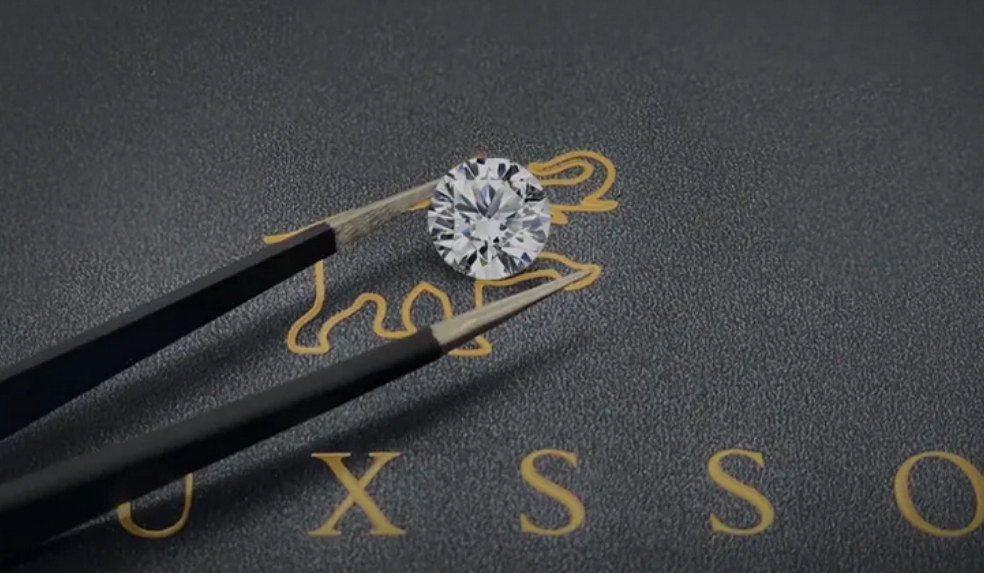
Lab-Grown Diamonds
Lab-grown diamonds, also known as synthetic diamonds, is a type of diamond created in a laboratory. They are chemically, physically, and optically identical to mined diamonds and can be used for the same purposes. Lab-grown diamonds have become increasingly popular over the last few years due to their environmental sustainability and cost-effectiveness.
Process Used to Create Lab-Grown Diamonds
Lab-grown diamonds in Melbourne have become increasingly popular in recent years, as they offer consumers a more affordable and eco-friendly alternative to mined diamonds. But how exactly are these synthetic gems made? Here, we take a look at the process used to create lab-grown diamonds.
The most common method used to grow lab-created diamonds is chemical vapor deposition (CVD). This method involves using heat and pressure to simulate the natural diamond-forming process that takes place beneath the Earth's surface. It begins with pure carbon molecules being placed in an airtight chamber, which is then heated up to extremely high temperatures of around 1,400° Celsius (2,550° Fahrenheit). At this temperature, a gas containing hydrocarbon molecules—such as methane—is introduced into the chamber. The hydrocarbons break down into their individual atoms under extreme heat and pressure within the chamber, causing them to react with one another and form new crystals comprised of pure carbon atoms bonded together in a diamond lattice structure.
The raw material produced by CVD is then sent through several additional processes including cutting, polishing, and grading before it can be sold on the market as a finished product. First, off it must be cut into its desired shape such as round or princess cut using laser technology to make it into the desired shape and size as desired by the maker.
Impact on the Global Jewelry Market
The global jewelry market is a complex and ever-changing sector of the fashion industry. With the introduction of new materials, designs, and trends, it has become one of the most significant components in terms of global economic growth. As an essential part of many cultures around the world, jewelry plays an important role in not only personal adornment but also as a status symbol and even as a form of investment.
In recent years, there has been a dramatic shift in how people view jewelry due to changes in technology and customer preferences. As such, this has had a major impact on the global jewelry market over time.
Firstly, e-commerce platforms have had an enormous effect on how consumers buy jewelry online. This trend has caused traditional brick-and-mortar stores to lose out to their online competitors due to convenience factors such as lower prices and wider selection options available from digital retailers. Additionally, customers no longer have to wait for physical stores or outlets to open up during certain times or locations; they can shop from anywhere with just a few clicks from their mobile device or laptop computer at any time that is convenient for them.
Conclusion
In conclusion, lab-grown diamonds are a cost-effective way to enjoy the beauty and brilliance of a diamond without the high cost associated with natural diamonds. They are also an environmentally friendly choice because they don’t require mining. Lab-grown diamonds have become increasingly popular in recent years as more people become aware of their benefits.