Employers beware: 4 in 5 organisations see staff taking sick leave around public holidays
- Written by: The Australian Payroll Association

On the eve of the June long weekend, an industry association has released data that reveals the prevalence of employee sick leave around public holidays – with 85 per cent of organisations impacted by the problem, which is more significant within the bigger companies.
The Australian Payroll Association (Australian Payroll Association) – Australia’s leading network for payroll training, consulting and advisory – surveyed 601 payroll managers across the country’s big and small businesses, and across myriad industries. The survey was to gauge how often employees took sick leave around public holidays, including last Easter and Anzac Day, as well as the Christmas holiday period.
Eight-six (86) per cent of payroll managers admitted that at least 1 per cent of employees take a sick day at their organisation before or after public holidays. Forty-seven (47) per cent said at least 5 per cent of employees generally take a sick day, and 18 per cent said at least 10 per cent of employees take a sick day.
The problem was particularly acute over the last Easter and Anzac Day period, with 26 per cent of organisations seeing at least 10 per cent of their staff taking sick leave during this period.
Big organisations see the highest rates of sick leave
Surprisingly, the survey revealed that the bigger the organisation, the more likely they are to see the sick leave problem around public holidays. Just 52 per cent of micro businesses (up to 10 employees) see at least 1 per cent of staff taking sick leave around public holidays. This jumps up to 76 per cent of organisations with 11-50 employees, 86 per cent of organisations with 51-200 employees, 93 per cent of organisations with 201-500 employees, 96 per cent of those with 501-1000 employees, and 97 per cent of those with 1001-5000 employees.
It is also the bigger organisations that see higher rates of sick leave. Just 14 per cent of SMEs (up to 200 employees) see at least 10 per cent of their workforce take sick leave before or after public holidays. However, an average of 25 per cent of organisations with 501-10,000 employees see at least 10 per cent of their staff take sick leave around public holidays and Christmas periods.
Retail and education most impacted
The Australian Payroll Association compared the figures across eight industries: manufacturing, retail, healthcare, education, IT, finance, professional services, and building and construction. It found that the industries seeing sick leave around public holidays were in education (94 per cent of organisations), healthcare (91 per cent of organisations) and retail and eCommerce (89 per cent).
Are employees misusing their sick leave?
The survey asked payroll managers the reasons that employees give for sick leave. Many said most of the reasons seemed genuine, such as the standard gastro and vomiting.
However, many also said that employees have called in sick when they had a health- or child-related appointment, or a sick pet. One payroll manager said, “We have a cultural issue around misuse of sick leave entitlements.” Another said that employees “just take the 10 days a year as an entitlement”, with another payroll manager reiterating this as an issue at the organisation they work at. Another said that their employees “are under the impression they are entitled to paid carer’s leave” when they need to simply look after their children at home.
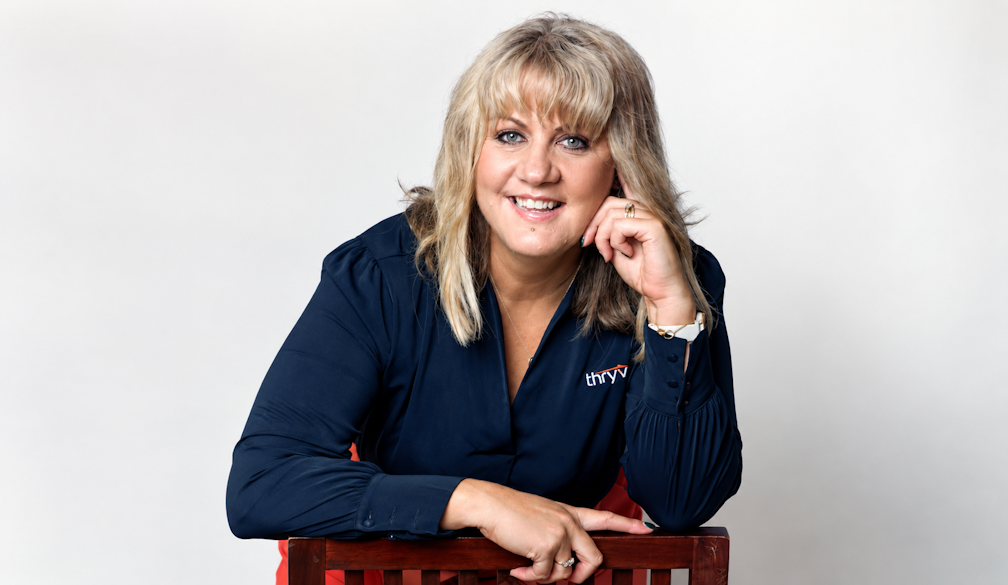
Tracy Angwin, CEO of the Australian Payroll Association, says: “Who better to ask about sick leave than payroll managers – the very people who need record it across our workforce? It’s interesting that several payroll managers revealed they don’t see sick leave taken very often, as their organisation has a policy requiring employees to obtain a medical certificate if they take a sick day. It is perfectly acceptable for employers to have such a policy.
“Sick leave – now classified as personal/carer’s leave – gives each employee 10 days of paid leave a year. This entitlement is specifically for unplanned personal illness or injury that leaves the employee unfit to work. It excludes days off for elective surgery, planned medical procedures, or sick pets, which should be taken as annual leave.
Carer’s leave is part of the 10-day paid entitlement. It can only be used if an employee is required to look after a sick immediate family or household member: their spouse, de factor partner, child, parent, grandparent, grandchild or sibling (including the equivalent in blended families), or any household member.”
Australian Payroll Association’s sick leave survey results, taken from 601 payroll managers
|
Q: On average, how many employees take a sick day before or after a public holiday, or during the Christmas period? |
|
|
||||||
|
|
Total % of respondents |
% of organisations with 1-10 employees |
% of organisations with 11-50 employees |
% of organisations 51-200 employees |
% with 201-500 employees |
% with 501-1000 employees |
% with 1001-5000 employees |
% with 5001-10,000 employees |
|
0 employees |
13.81% |
48.28% |
24.00% |
14.38% |
7.34% |
4.41% |
2.88% |
4.17% |
|
1% of employees |
39.60% |
22.41% |
44.00% |
39.73% |
51.38% |
36.76% |
37.50% |
33.33% |
|
5% of employees |
28.29% |
15.52% |
20.00% |
30.82% |
23.85% |
35.29% |
38.46% |
33.33% |
|
10% |
10.48% |
5.17% |
8.00% |
8.90% |
9.17% |
14.71% |
13.46% |
12.50% |
|
20% |
4.33% |
6.90% |
1.33% |
3.42% |
4.59% |
7.35% |
2.88% |
4.17% |
|
30% |
2.00% |
0.00% |
2.67% |
2.05% |
1.83% |
1.47% |
2.88% |
4.17% |
|
30%+ |
1.50% |
1.72% |
0.00% |
0.68% |
1.83% |
0.00% |
1.92% |
8.33% |