Doctor-patient trust is key to unlocking AI's potential to improve healthcare in Australia, finds Philips' Future Health Index Report
- Two-thirds (66%) of Australians welcome technology for improved care, but more than half (53%) are concerned it will mean less face time with their doctor.
- Three in four (74%) Australian healthcare professionals report losing clinical time due to incomplete or inaccessible patient data, with one fifth of these (19%) losing over 45 minutes per shift, amounting to 23 full days lost per year.
- Australians are less optimistic about AI in healthcare (43%) compared to their healthcare providers (85%), highlighting a critical trust gap.
Whilst patients and providers see the potential for AI to address major challenges such as care delays and staff burnout, they believe its primary role should be to empower clinicians, allowing for more meaningful, human-centric care.
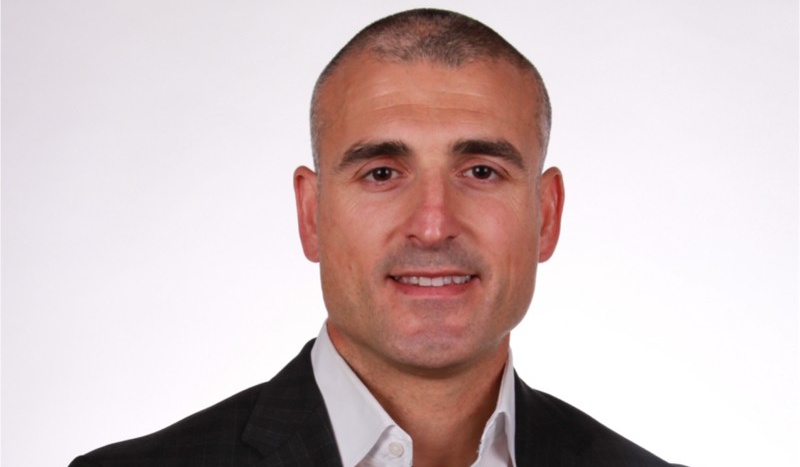
"This 10th edition of the Future Health Index gives us the clearest picture yet of what Australians want for their healthcare: technology must serve the human connection", said Shehaan Fernando, interim Managing Director of Philips Australia and New Zealand. "For patients, building trust is as important as building technology. At Philips, we are committed to a human-centric vision for AI that empowers clinicians and strengthens the doctor-patient relationship that Australians value".
Patients welcome tech, but protect personal relationships
The report uncovers a key tension in Australian attitudes towards technology. Whilst a majority (66%) of Australians welcome new technology if it improves the quality of their care, more than half (53%) express concern that it could lead to less direct interaction with their doctors.
This desire for human connection is amplified by Australia's long-standing reliance on GP services as the foundation of the healthcare system. The findings suggest patients see AI's ideal role as a powerful support tool that handles administrative tasks, streamlines data access, and ultimately frees up GPs to engage in more in-depth, meaningful consultations. In Australia, three in four healthcare professionals (74%) report losing clinical time due to incomplete or inaccessible patient data, with one fifth of these (19%) losing more than 45 minutes per shift – adding up to 23 full days lost per healthcare professional each year[1]. AI's ability to manage and streamline patient data holds the key to reclaiming this time, allowing healthcare professionals to dedicate more focus to direct patient care.
Doctors as trusted guides to AI
When it comes to navigating the complexities of AI, Australians place their trust in their healthcare professionals. 79% of Australians would be most comfortable receiving information about AI in their care from their doctor, surpassing news outlets (48%) and social media (31%). This underscores the indispensable role of clinicians in guiding public acceptance and integration of AI.
However, the report also notes that healthcare professionals themselves have questions, with 77% concerned or unclear about liability for AI errors. Australians are less optimistic about AI's benefits (43%) compared to their healthcare providers (84%), highlighting a critical trust gap.
"As clinicians, we see the incredible potential for AI to help us diagnose earlier and create more personalised treatment plans", said Dr Tim Bowles, Head of Department - HIVE (Health in a Virtual Environment), at East Metropolitan Health Service (EMHS) in Western Australia. "AI can empower us to spend less time on administration and more time with our patients, ensuring technology elevates, rather than diminishes, the human element of care".
Philips' Commitment: Driving Human-Centred Innovation
Philips' expertise in virtual hospital services and clinical command centres aligns with EMHS's efforts to improve patient-centred care and proactively detect the risk of patient deterioration. This collaboration, featuring the HIVE program and the deployment of a Clinical Command Centre solution leveraging machine learning and predictive analytics, has demonstrated significant patient outcomes.
"By integrating AI into our clinical workflows, we've been able to detect patient deterioration earlier, intervene faster, and ultimately deliver safer, more effective care. AI has become a vital tool in supporting our clinicians and improving outcomes when and where it matters most."
— Adam Lloyd, Area Director Community & Virtual Care East Metropolitan Health Service
Data indicates the Clinical Command Centre has led to a 26% reduction in patient mortality[2], a 30% reduction in length of stay[3], and has helped 15% of patients be discharged home faster[4]. Furthermore, the program facilitated over 10,000 clinical interactions over a 12-month period, with 10% being for urgent or life-threatening reasons, and 64% of all interactions occurring after hours or on weekends. By integrating technology seamlessly into clinical workflows, Philips helps to augment the skills of healthcare professionals and improve patient care when it's needed most.
"Our long-term vision is to deliver responsible, human-centric AI that addresses the real-world challenges of patients and providers", said Shehaan Fernando, interim Managing Director of Philips Australia and New Zealand. "By partnering with the medical community, we can ensure that innovation builds trust, improves outcomes, and supports a future of providing better care for more people".
For more information, or to download the full FHI 2025 Australia report, visit www.philips.com/futurehealthindex-2025.
Hashtag: #Philips
The issuer is solely responsible for the content of this announcement.
Royal Philips
About Royal Philips
Royal Philips (NYSE: PHG, AEX: PHIA) is a leading health technology company focused on improving people's health and well-being through meaningful innovation. Philips' patient- and people-centric innovation leverages advanced technology and deep clinical and consumer insights to deliver personal health solutions for consumers and professional health solutions for healthcare providers and their patients in the hospital and the home. Headquartered in the Netherlands, the company is a leader in diagnostic imaging, image-guided therapy, patient monitoring and health informatics, as well as in consumer health and home care. Philips generated 2024 sales of EUR 18.2 billion and employs approximately 70,000 employees with sales and services in more than 100 countries. News about Philips can be found at www.philips.com/newscenter.
About the Future Health Index
The Future Health Index is commissioned by Philips. In its 10th edition, the Future Health Index 2025 investigates how innovative technologies, particularly AI, can empower healthcare professionals to deliver better care for more people. Two quantitative surveys were carried out among more than 1,900 healthcare professionals and more than 16,000 patients in 16 countries. The surveys were conducted from December 2024 to April 2025. For more information, or to download the full FHI 2025 Global Report, visit www.philips.com/futurehealthindex-2025.