New Report Highlights Need for Ecosystem Approach to Help MSMEs in Southeast Asia Adopt More Sustainable Practices
- Report by the Centre for Impact Investing and Practices (CIIP) finds growing momentum among micro, small, and medium enterprises (MSMEs) in Southeast Asia to adopt sustainability practices, driven by commercially motivated goals such as reducing costs, improving long-term efficiency, meeting consumer demand, entering new markets and attracting talent.
At the same time, many global multinational corporations (MNCs) are making long-term sustainability commitments, setting higher expectations across their supply chains. As MSMEs often serve as key suppliers, aligning with these evolving standards – including MNC supplier codes – is becoming increasingly critical to remain competitive and secure long-term growth opportunities.
Launched today at Ecosperity Week's Impact Investing Roundtable 2025, the report explores key barriers to increasing supply chain sustainability and identifies practical enablers and tools across four sectors: consumer goods, food and beverage, electrical and electronics, and tourism. The findings are based on a survey of over 3,500 MSMEs from Indonesia, Malaysia, Singapore, and Vietnam, alongside interviews with 85 organisations across Asia — including MNCs, solution providers, and ecosystem enablers. The report builds on CIIP's 2024 study, developed in partnership with PwC Singapore, titled "It Takes a Community": Enabling SME Resilience in FMCG Supply Chains.
While sustainability and ESG are separate concepts, they are closely linked – especially when looking at how ESG practices support sustainability goals. To better understand how MSMEs are putting sustainability into action, 21 practices were identified and mapped across the areas of "environmental", "social", and "governance".
Encouragingly, 84% of MSMEs have adopted at least one ESG practice, with social practices being the most common due to mandated social employee protection policies in each of the countries studied. Waste management was the most common environmental practice, reflecting this key concern across the region. However, much more needs to be done.
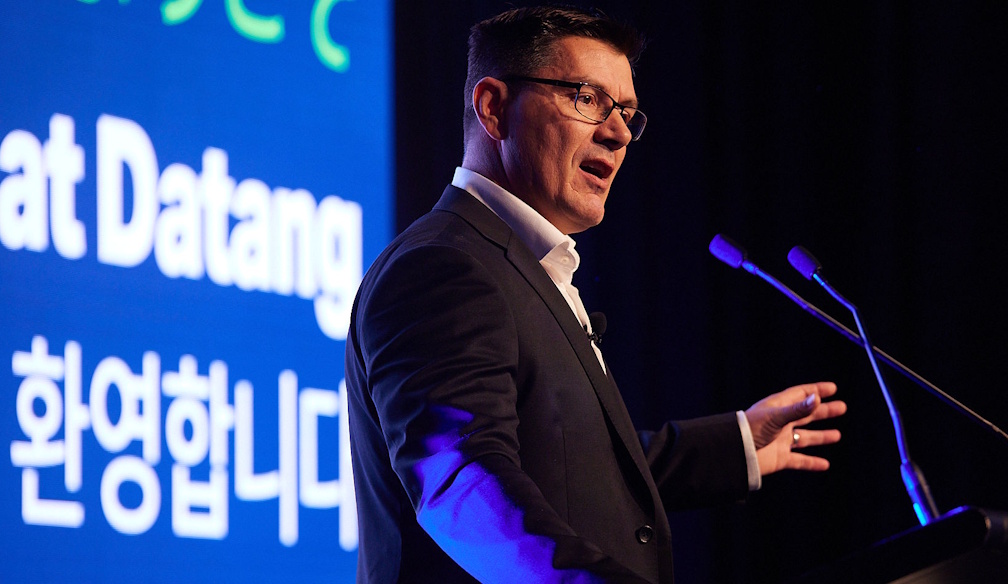
"MSMEs are the backbone of Southeast Asia's economies and essential partners in advancing sustainable supply chains," said Ms. Dawn Chan, Chief Executive Officer, CIIP. "Their growing interest in ESG signals a real opportunity to unlock business resilience and long-term value. This report aims to provide a clearer view of what MSMEs need to succeed, and how ecosystem players, from industry leaders to governments and financial institutions, can work together to accelerate scalable, sustainable impact."
MSMEs Are Making Progress, But Practical Challenges Continue to Hold Them Back
While MSMEs are making progress in meeting new sustainability requirements, many continue to face practical challenges in advancing their efforts. With lean, multi-functional teams focused on daily operations, they often lack the capacity for dedicated roles to oversee the adoption of more ESG practices – and 60% report moderate to significant difficulties in hiring staff for sustainability or ESG roles.
Financial constraints remain a key hurdle. Many cite high upfront costs, though encouragingly, half of all MSMEs surveyed plan to increase their ESG budgets by 2027.
Many also cite the inability to derive immediate benefits from adopting ESG practices, with 32% saying the ability to gain new clients or enter new markets would be a key motivating factor for future adoption of ESG practices.
To overcome these challenges, the report provides five recommendations to shape ecosystem actions.
Five Key Enablers to Raise ESG Awareness and Adoption among MSMEs
- Make ESG clear and simple. Clearly emphasise the commercial benefits of ESG practices – from cost savings to increased revenue opportunities – while highlighting clear improvement pathways. Companies should be assured that adopting ESG practices is not a formidable task and can be done in gradual steps.
- Build capacity, both internal and external. Develop industry-specific toolkits or education materials with global standards and local inputs, which are simple and actionable, while encouraging MSMEs to leverage external expertise for ad-hoc support and personalised guidance.
- Encourage more win-win customer-supplier partnerships. MNC buyers are a strong predictor of ESG adoption, and some are already leaning in to support their supply chains. This should be more widespread – MNCs can offer incentives such as longer-term contracts, paying more for sustainable products or services, and implementing shorter payment cycles.
- Invest in innovative MSME-targeted solutions. Venture capital firms and impact investors play a crucial role in facilitating ESG adoption across supply chains, providing catalytic funding to incentivise innovation and reducing the barriers to adopting ESG practices. They can play a particularly important role by backing early-stage solutions and business models that are priced and designed for MSMEs.
- Finance the change. While sustainability-linked loans are increasingly available, MSME uptake remains low – suggesting that concessional rates alone are not enough. A more holistic approach is needed, combining fit-for-purpose financing with practical guidance, stronger support for early adopters, and tools like digital platforms to assess ESG baselines and customise loan terms. These elements must work together to drive meaningful, scalable ESG adoption.
https://ciip.com.sg/knowledge-hub/research-insights/Details/transforming-for-sustainability--driving-impact-and-value-through-supply-chain-action
Turning Insights into Tangible Solutions
The report also revealed that country-specific conditions significantly influence ESG adoption, underscoring the importance of tailored approaches that address local needs. Notably, industry associations serve as a key source of sustainability and ESG guidance for MSMEs, given their deep understanding of sector-specific needs and ability to recommend fit-for-purpose tools and approaches.
In line with this, CIIP today signed a Memorandum of Understanding (MOU) with the Singapore Fashion Council (SFC) to drive supply chain sustainability within the fashion and textiles industry. Under the agreement, SFC will lead the development of a sectoral plan, a resource guidebook, and a digital toolkit tailored to the sustainability needs of fashion and textiles MSMEs, leveraging insights from this report and CIIP's ongoing ecosystem engagement efforts.
In parallel, CIIP and the Philanthropy Asia Alliance have launched the second edition of the Amplifier mentorship programme, with two dedicated tracks aimed at scaling innovative solutions for supply chain sustainability in tourism, as well as, fashion and textiles. Adopting a whole-of-ecosystem approach, the programme is supported by over 55 cross-sector partners this year.
CIIP welcomes more partners – including industry associations, corporates, technology and solution providers, investors, and financial institutions – to work together and collectively advance ESG adoption among MSMEs in the region.
For the full announcements, please refer to: https://www.temasektrust.org.sg/newsroom
The issuer is solely responsible for the content of this announcement.
About the Centre for Impact Investing and Practices
The Centre for Impact Investing and Practices (“CIIP”) was established in 2022 as a non-profit entity by Temasek Trust to foster impact investing and practices in Asia and beyond by building and sharing knowledge, bringing together stakeholders in the community, and bringing about positive action that accelerates the adoption of impact investing principles and practices. CIIP is the anchor partner for the United Nation Development Programme’s Private Finance for the SDGs, providing Asia investors and businesses with clarity, insights and tools that support their contributions towards achieving the SDGs. Temasek and ABC Impact are CIIP’s strategic partners. For more information, please visit www.ciip.com.sg.