What really happens to your recycling after the bin truck leaves? Industry leader reveals the truth Australians need to know
Australians are being urged to rethink what they throw in their recycling bins, with new insights revealing that one simple mistake at home can send entire loads of recyclable material straight to landfill.
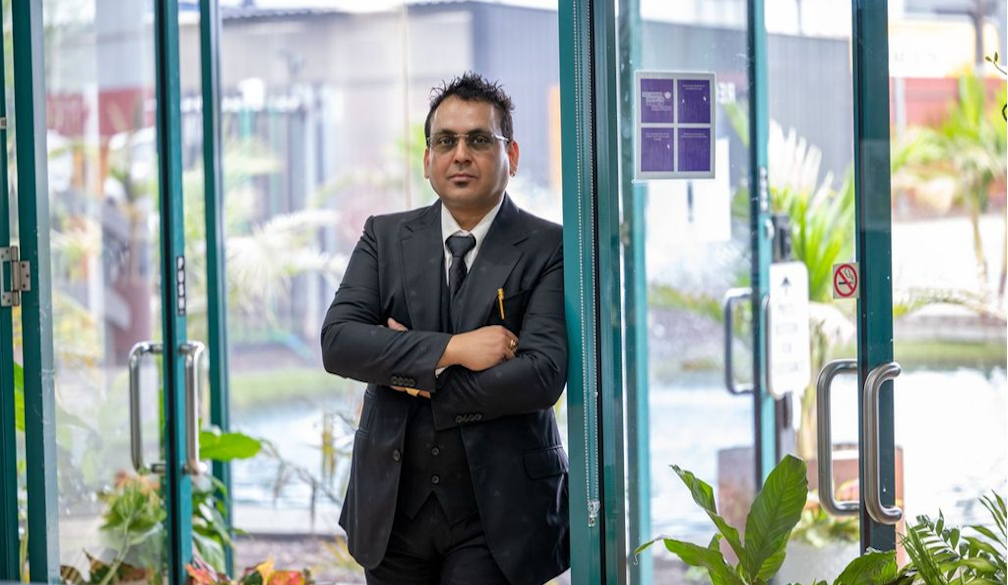
Maddy Gupta, founder and CEO of Manhari Recycling, said while most Australians believe they are doing the right thing, many don’t actually understand what happens once their recycling leaves the kerb.
“People feel good putting items in the recycling bin, but the reality is far more complex,” Maddy Gupta said.
“What happens next determines whether those materials are reborn as new products or wasted entirely.”
The journey after your bin is collected
Once recycling is picked up, it doesn’t go straight to a new life. Instead, it is transported to a materials recovery facility, where a highly sophisticated sorting process begins.
“At these facilities, everything is separated using a combination of machines, magnets, sensors and airflow systems,” Maddy Gupta said.
“Paper and cardboard are separated first, followed by plastics, glass and metals like aluminium.”
From there, materials are compressed into large bales and sent to specialist recycling facilities where they are processed into raw materials ready to be reused.
“In the best-case scenario, those materials can be turned into new products within weeks,” he said.
“However, that only happens if they are clean, correctly sorted and uncontaminated.”
The biggest problem: contamination
Maddy Gupta said the biggest issue facing Australia’s recycling system is contamination, when the wrong items are placed in recycling bins.
“One wrong item can contaminate an entire load,” he said.
“If that happens, the whole batch may be rejected and sent to landfill. That means all the effort people made to recycle is lost.”
Common contamination issues include food waste, soft plastics, liquids and non-recyclable items.
“People often assume that if something looks recyclable, it is,” Maddy Gupta said.
“However, that’s not always true.”
What you should always recycle
Maddy Gupta said there are several materials that perform extremely well in Australia’s recycling system when disposed of correctly.
“Aluminium cans are one of the best examples,” he said.
“They can be recycled again and again without losing quality and are highly valuable in the recycling market.”
Glass bottles and jars, clean cardboard and certain rigid plastics can also be effectively recycled when properly sorted.
“The key is making sure items are empty, clean and placed loosely in the bin, not inside bags,” he said.
What should never go in your recycling bin
Maddy Gupta said confusion around what not to recycle is one of the biggest contributors to system breakdown.
“There are some items that should never go in your recycling bin, no matter how recyclable they may seem,” he said.
These include soft plastics such as plastic bags and food wrappers, which can jam sorting machines, as well as food waste, which contaminates other materials.
“Items like greasy pizza boxes, nappies, textiles, polystyrene and broken glass should also stay out of recycling bins,” he said.
“Even things like coffee cups are often not recyclable through standard kerbside systems because they contain mixed materials.”
He said when in doubt, it is better to leave an item out than risk contaminating an entire load.
Why your choices matter more than ever
Australia generates millions of tonnes of waste each year and recycling plays a critical role in reducing landfill and conserving resources.
However, Maddy Gupta said the system only works when households do their part.
“Recycling is not just about what happens in facilities. It starts in your kitchen, your office and your daily habits,” he said.
“Every item you place in the right bin has the potential to be reused. Every mistake has the potential to undo that.”
He said small changes in behaviour can have a massive cumulative impact.
“If every household improved how they recycle, we could dramatically increase recovery rates and reduce waste across the country,” he said.
Building a stronger circular economy
Maddy Gupta said understanding the recycling process is key to building a more sustainable future.
“When materials are recycled properly, they don’t just disappear. They are transformed into new products, reducing the need for raw materials and lowering environmental impact,” he said.
“That is the foundation of a circular economy.”
He said businesses like Manhari Recycling are working to maximise recovery and ensure valuable materials are not lost.
“However, we cannot do it alone,” Maddy Gupta said.
“This is a shared responsibility between industry, government and every Australian household.”
A simple message with big impact
Maddy Gupta said the takeaway for Australians is simple but powerful.
“Recycling works, but only when it is done properly,” he said.
“Put the right items in the right bin, keep them clean and avoid contamination.”
“Because what happens after your bin leaves your home depends on the choices you make before it gets there.”
About Manhari Recycling
Founded in 2007 by Maddy Gupta, Manhari Recycling is one of Victoria’s largest and most trusted scrap metal recycling companies. With operations spanning nearly five hectares across Tottenham, Horsham and Ararat, Manhari processes over 250,000 metric tons of metal annually and exports to major manufacturing markets worldwide. The company offers comprehensive services including auto recycling, whitegoods disposal, construction scrap recovery and e-waste processing. Committed to innovation, sustainability and customer service, Manhari is evolving into a leader in circular economy solutions, helping industry and community reduce waste, recover value and build a cleaner, greener future for Victoria.
To get a free quote or book a pick-up, visit www.manhari.com.au