Disability housing in Perth: understanding your NDIS accommodation options
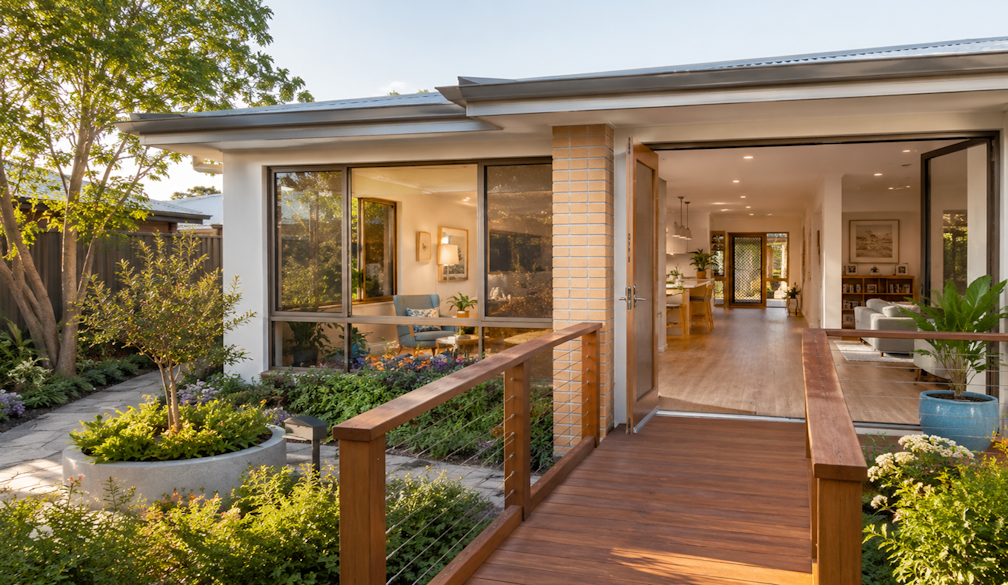
Finding the right place to live is one of the most important decisions a person with disability will make, and for many Australians, navigating the NDIS to access the right housing support can feel overwhelming. The good news is that the NDIS funds a range of accommodation options designed to give people with disability more choice, more control, and more independence in where and how they live.
In Perth, demand for disability housing has grown significantly as awareness of NDIS-funded supports increases. Whether you're exploring options for yourself, a family member, or someone you support, this guide walks through the key types of disability accommodation available, who can access them, and what to consider when making that decision.
What is disability housing under the NDIS?
The NDIS doesn't fund general rent or mortgage costs, but it does fund supports related to housing in several meaningful ways. These include the cost of support workers within a home, modifications to make a property accessible, and, in certain circumstances, the accommodation itself through specialist funding categories.
Understanding which funding category applies to your situation is the starting point. The most commonly accessed housing-related supports include Supported Independent Living (SIL), Individualised Living Options (ILO), and Specialist Disability Accommodation (SDA). Each works differently, applies to different needs, and carries different eligibility requirements.
Supported Independent Living (SIL)
SIL is one of the most widely used NDIS housing supports. It funds the assistance provided in a shared living environment, the support workers, rostering, and day-to-day help, rather than the bricks and mortar of the property itself.
In a SIL arrangement, a person typically lives in a home with others who have similar support needs. They share communal spaces and a team of support workers who assist with daily tasks, including personal care, meal preparation, medication management, community access, and household routines.
SIL is appropriate for people who need regular, ongoing support to live independently but don't necessarily require purpose-built accessible infrastructure. It's a flexible arrangement that can be tailored to the individual's goals and support needs, and the level of support can increase or decrease as needs change.
Individualised Living Options (ILO)
ILO is a newer and more flexible funding option designed for people who want to live in a way that doesn't fit the traditional shared house model. Under an ILO arrangement, a person can live with a host family, live with a friend or housemate who provides some support, or receive a combination of supports that allow them to live in their own property.
The emphasis in ILO is on genuine individualisation. Rather than being placed into an existing model of support, the person works with their planning team to design an arrangement that reflects their values, preferences, and goals. ILO suits people who want to live more independently but may not have the level of support needs that SIL requires.
Specialist Disability Accommodation (SDA): purpose-built for higher needs
For people with extreme functional impairment or very high support needs, standard housing simply doesn't work. Specialist disability accommodation in Perth refers to purpose-designed or modified housing that includes specific accessibility features, assistive technology, and design standards that standard properties can't meet.
SDA is funded separately in an NDIS plan it covers the cost of the accommodation itself, not the support delivered within it. To receive SDA funding, a person must meet strict eligibility criteria demonstrating that their disability significantly limits their ability to undertake activities of daily living and that standard housing, even with modifications, cannot meet their needs.
SDA properties in Perth are built to one of four design categories: Improved Liveability, Fully Accessible, High Physical Support, and Robust. Each category addresses different functional needs and is paired with the appropriate level of support infrastructure.
What to look for in a disability housing provider
Choosing a provider for disability accommodation in Perth is not just a practical decision; it's a deeply personal one. The provider will be involved in some of the most important aspects of daily life, so values alignment, transparency, and genuine person-centred practice all matter.
Key questions to ask a provider include:
- How are support staff selected, trained, and supervised?
- What does a typical day look like for residents, and how much say do they have?
- How are individual goals incorporated into the support plan?
- What is the process for raising concerns or requesting changes to support?
- How does the provider handle conflict between housemates in shared living arrangements?
- Are there vacancies in locations that suit the person's community connections and lifestyle?
A good provider will welcome these questions and answer them with specifics, not generalities.
Housing and the NDIS planning process
If you're exploring disability housing options, the most important first step is ensuring that your NDIS plan reflects your housing goals and needs. This means being clear in your planning meeting about your current living situation, what isn't working, and what you're hoping to achieve.
Support Coordinators play a valuable role in navigating housing options. They can help you understand what funding categories apply to your needs, research providers, and coordinate the process of transitioning into a new living arrangement. If housing is a significant goal, requesting a Support Coordinator with specific experience in this area is worth doing.
For people who are currently in hospital or emergency accommodation, or who are at risk of homelessness, the NDIS has pathways to fast-track housing support. These situations should be flagged clearly during planning and escalated if the process is not moving at an appropriate pace.
Conclusion
Disability housing under the NDIS is not one-size-fits-all, and that's by design. SIL, ILO, and SDA each exist to serve different needs and preferences, giving people with disability genuine options about where and how they live.
The process takes time, advocacy, and patience. But with the right provider, the right plan, and the right supports in place, disability housing can give people with disability exactly what everyone deserves: a home that feels like theirs.


 Business Daily Media