The Difference Between Standard Covers and Anti-Ligature Covers
At a Glance
Standard covers are designed primarily for basic equipment protection, whereas anti-ligature covers are designed for environments where infrastructure safety, tamper resistance and behavioural risk reduction are operational priorities. The article examines how design profile, material selection and environmental suitability influence enclosure performance across healthcare, custodial, educational and other high-risk public settings.
Why Protective Infrastructure Design Has Changed
In many public-facing environments, infrastructure design is considered in terms of functional use and decisions are also shaped by broader safety considerations.
Fixtures, once selected mainly for durability or appearance, are now assessed through an operational lens. They need to ensure behavioural safety, maintenance access, vandal resistance and long-term environmental suitability. That shift has changed how facilities teams think about creating protective housing, even for Wi-Fi equipment. It may seem like a small detail, but exposed infrastructure components can have sharp edges and protruding parts that pose safety risks in higher-risk environments.
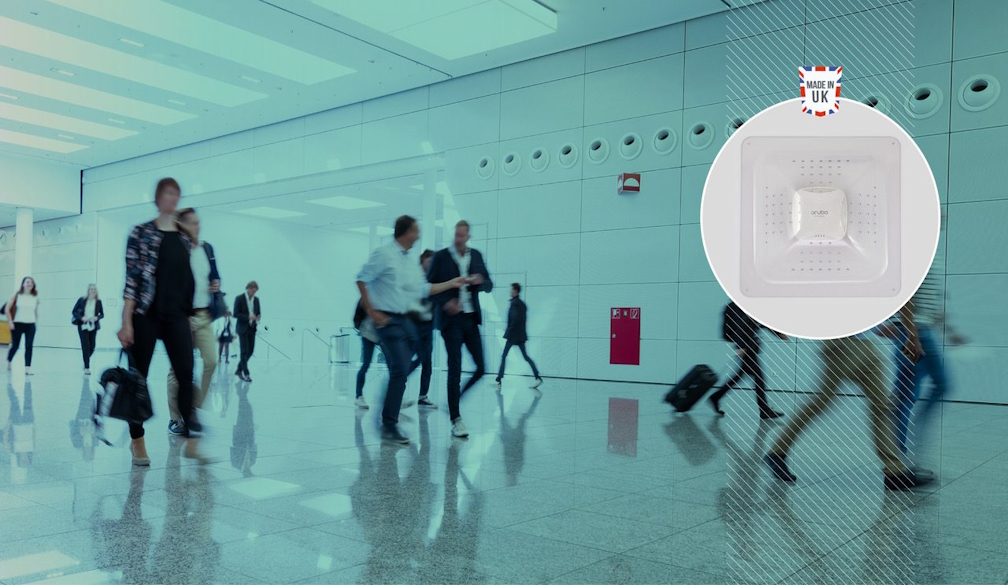
Standard enclosures provide a basic physical barrier around Wi-Fi hardware or electrical infrastructure and are not equipped to address environmental and safety concerns. In contrast, products like Oystashell anti-ligature covers are purpose-built with safety risks in mind from the outset, which is why their designs differ significantly from standard enclosures.
This distinction is crucial mainly in health care estates, mental health units, secure accommodations, educational environments and transportation settings, where exposed infrastructure can create both operational vulnerabilities and safety issues. In these spaces, anti-ligature covers are part of the safety strategy and aren’t treated as an accessory attached to the wall or ceiling.
Why Standard Covers Are Commonly Used
Standard covers are typically designed with general equipment protection in mind. Their primary purpose is often to shield infrastructure from dust, accidental contact, minor impact damage or routine environmental exposure. In commercial offices or low-risk environments, this level of protection may be appropriate. A basic cover can help conceal cables, prevent casual tampering and support a cleaner-looking installation without requiring specialist design considerations.
Many standard units are manufactured for broad compatibility across different hardware types, which makes them relatively simple to specify during large infrastructure rollouts. Here, the focus remains on being cost-efficient while offering easy access for installation and maintenance. That approach works adequately in settings where behavioural risk is limited.
The challenge emerges when those same products are installed in environments where infrastructure must support both operational continuity and safer environmental design. At that point, the limitations of conventional covers begin to surface more clearly.
Where Standard Covers Often Fall Short
A conventional enclosure may provide physical protection for equipment while still introducing environmental risks. Sharp edges, protruding corners, exposed fixings or partially accessible gaps can create issues in settings where safety-led design is essential.
Healthcare and custodial environments illustrate this particularly well, which is why estates teams have to balance several competing pressures at once, such as maintaining reliable wireless overages and protecting expensive networking hardware while also supporting cleaning and maintenance access. They also need to reduce opportunities for tampering and create environments that feel less institutionalised.
A standard cover is generally not engineered around those combined requirements. In some cases, conventional metal or plastic housing can also interfere with wireless signal performance. This becomes problematic in buildings that rely heavily on stable Wi-Fi infrastructure for communication systems, digital records access, monitoring technologies and operational coordination across departments.
Durability is another concern, as high-traffic public environments such as schools, transport hubs, sports facilities and behavioural healthcare settings impose repeated stress on exposed infrastructure. Equipment mounted at accessible heights can become vulnerable to accidental impacts, vandalism or repeated tampering in the long run.
As these operational pressures increase, the conversation moves beyond basic protection and towards specialist enclosure design.
What Makes an Anti-Ligature Cover Different
An anti-ligature cover is designed specifically to reduce the opportunity for attachment points that could present a self-harm risk. Rather than focusing solely on equipment protection, the enclosure becomes part of a broader environmental safety approach used in higher-risk facilities.
This affects almost every aspect of the design, for instance, the edges are typically rounded rather than angular, fixings are recessed or concealed where possible and the enclosure profile sits closer to the mounting surface to minimise gaps or projection points. Materials are selected not only for strength but also for shatter resistance and long-term durability under demanding conditions.
In environments such as mental health facilities or secure accommodations, even small architectural details are assessed carefully because they can influence overall environmental safety. Infrastructure products, therefore, need to align with wider anti-ligature design strategies already used across doors, sanitaryware, lighting and furniture systems.
Wi-Fi protection presents an additional layer of complexity because the enclosure must still allow reliable wireless signal transmission. RF-transparent materials are primarily used to protect access points without significantly degrading signal performance, a feature that is particularly important in digitally connected facilities where network reliability supports daily operations.
Why Material Selection is Key More Than Many Realise
The performance of a cover is influenced as much by its material competition as by its eternal shape. Some traditional metal enclosures offer strength, although they may affect wireless performance or become vulnerable to corrosion in humid environments. Lower-grade plastics can crack under repeated impact or deteriorate after prolonged exposure to cleaning chemicals and heavy use.
In healthcare and public-sector buildings, maintenance teams are usually looking for products that can tolerate frequent cleaning regimes, long installation cycles, accidental impacts, attempted tampering and changing environmental conditions.
High-impact polycarbonate is commonly used in specialist protective infrastructure because it balances durability with visibility and RF transparency. A transparent or semi-transparent design also allows the facilities team to visually inspect equipment without removing the enclosure, reducing unnecessary disruption during routine checks.
It becomes especially relevant where network uptime is operationally important and infrastructure is distributed across multiple wards, corridors, classrooms, or public-facing areas.
The Role of Flush and Low-Profile Design
One of the more overlooked differences between a standard cover and an anti-ligature cover is how they interact with the surrounding environment.
Bulky housings that protrude significantly from walls or ceilings can create practical challenges in narrower corridors, behavioural units or heavily used public areas. They may also attract more accidental contact with equipment trolleys, maintenance tools or sports activities. Low-profile and flush-fitting designs help reduce those issues while also supporting safer environmental planning.
For example, suspended ceiling installations require a different approach from wall-mounted deployment. Recessed and flush ceiling integration can help infrastructure remain less visually intrusive while still allowing maintenance access when needed.
Similarly, installations in outdoor or humid environments impose different operational demands. Weather exposure, moisture ingress and fluctuating temperatures all influence enclosure selection, which is why water-resistant and externally rated housing is often specified for those settings. The enclosure design, therefore, becomes closely tied to the realities of the environments.
Choosing the Right Type of Cover for the Environment
Not every setting requires a specialist anti-ligature enclosure. In lower-risk commercial environments, a standard cover may provide entirely suitable protection for the intended application.
However, the decision usually depends on several practical considerations, such as who uses the environment, how accessible the equipment is, the likelihood of tampering or accidental damage and whether there are any other safety obligations.
At the same time, maintenance requirements and operational downtime, along with the environmental conditions, should also be taken into account.
Facilities managers and infrastructure planners increasingly assess these factors together and don’t treat hardware protection as a separate procurement decision. That wider perspective explains why specialist enclosure systems have become more common within modern estate planning.
For organisations reviewing infrastructure protection in healthcare, education, custodial, or public-facing facilities, understanding the distinction between standard and anti-ligature covers can help support safer, more resilient long-term installations.


 Business Daily Media