Do Sunbeds Increase the Risk of Skin Cancer?
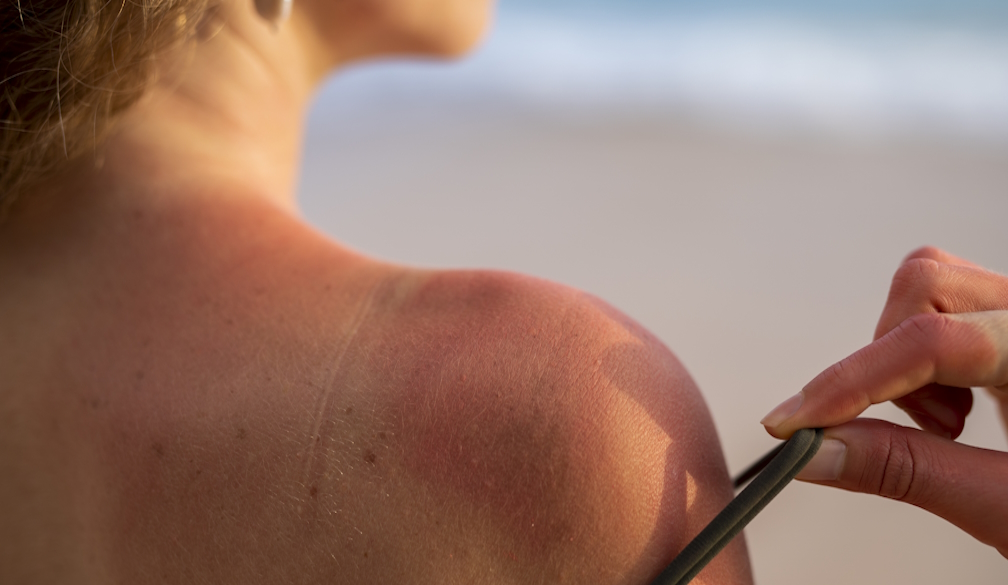
If you have ever questioned whether a quick session on a tanning bed is as harmless as it appears, you are not alone. Many people still believe indoor tanning offers a more controlled or safer alternative to sun exposure. In reality, what happens beneath the surface of your skin during these sessions is often misunderstood.
The health risks associated with indoor tanning are well documented and widely accepted within the medical community. Every session contributes to underlying cellular damage that may not be visible straight away but can lead to serious conditions over time.
Is There a Safe Way to Use a Tanning Bed?
There is no safe way to use a tanning bed, regardless of how infrequent or cautious the exposure may be. From a clinical perspective, any level of use carries risk.
Tanning beds emit concentrated UVA and UVB rays that penetrate deep into the skin, damaging DNA within skin cells. In many cases, this exposure can exceed what you would receive from direct midday sun.
Over time, repeated exposure speeds up premature ageing and significantly raises the risk of skin cancer. The damage builds gradually, reducing the skin’s ability to repair itself effectively. Any visible tan is not a sign of protection but evidence that the skin has already been injured.
What Happens to Your Skin with Repeated Use
Indoor tanning has a strong and proven link to skin cancer. Regular use increases the likelihood of developing melanoma, along with other types such as basal cell carcinoma and squamous cell carcinoma.
The risk is even higher for those who begin using tanning beds at a younger age. Studies show that starting before 35 significantly increases the chance of developing melanoma later in life. Each session adds to the cumulative damage, making early exposure particularly concerning.
Long Term Effects on Skin Health
When discussing tanning bed risks, melanoma deserves particular focus. Although less common, it is the most aggressive form of skin cancer. The likelihood increases with ongoing exposure, which is why frequent users should consider seeing a renowned melanoma specialist if they notice any changes.
Beyond cancer risk, long term use also impacts how the skin looks and functions. Common effects include fine lines, uneven tone, reduced elasticity, and persistent dryness or irritation. Over time, these changes can make the skin appear older than expected.
Regular Gold Coast skin checks at a prominent skin cancer clinic is important for anyone with a history of tanning bed use. Early detection plays a key role in identifying potential issues before they progress.
Is Indoor Tanning Safer Than Sun Exposure?
Some assume that tanning indoors is safer than spending time in the sun. In truth, both expose the skin to ultraviolet radiation and both increase cancer risk.
Tanning beds deliver consistent, high intensity UV exposure in short sessions, allowing damage to accumulate quickly. Unlike sunlight, which varies in intensity, tanning devices provide the same level of exposure each time, making the long term impact more predictable and often more harmful.
Damage Can Occur Without a Burn
Skin damage does not require visible redness or discomfort. It begins at a cellular level, often without any obvious signs.
A tan is the body’s response to DNA damage caused by UV radiation. Even without burning, the skin is undergoing changes that increase the risk of cancer over time. This process happens beneath the surface, which is why it is easy to underestimate.
Prevention Is More Effective Than Treatment
Limiting UV exposure remains one of the most effective ways to reduce the risk of skin cancer. Avoiding tanning beds is a key part of protecting long term skin health.
For those who have previously used tanning beds, regular check ups at a trusted skin clinic are essential. Early identification of changes can lead to better outcomes and more manageable treatment.
Protect Your Skin Early
Indoor tanning is not a harmless cosmetic choice. Evidence consistently shows it increases the risk of melanoma and contributes to lasting skin damage.
If you have concerns about your skin or a history of tanning bed use, seeking professional Gold Coast skin check from a qualified skin clinic can help you stay on top of your skin health and address any issues early.


 Business Daily Media