Why Commercial Property Developers Are Embracing Prefabricated Steel Construction
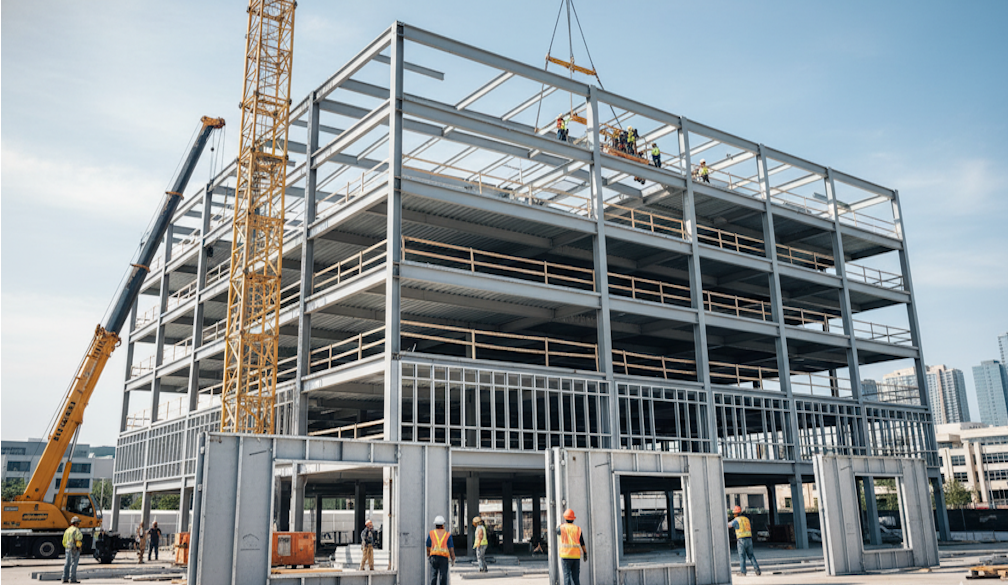
Commercial real estate development is currently navigating a highly complex economic environment. High interest rates, persistent skilled labor shortages, and unpredictable material costs are squeezing profit margins for property investors and developers alike. To stay competitive and keep projects on schedule, industry leaders are actively rethinking traditional building methods. Whether developing sprawling logistics centers, retail strip malls, or large-scale industrial warehouses, finding efficiencies is no longer optional. One of the most significant shifts in the commercial sector is the growing preference for prefabricated steel construction. By working directly with an experienced steel structure company, developers are finding innovative ways to mitigate financial risk, bypass common delays, and maximize their overall return on investment.
Speed to Market and Cost Efficiency
Time is quite literally money in commercial real estate. Every month a project is delayed translates to increased carrying costs, extended loan interest payments, and delayed rental income from commercial tenants. Traditional construction methods are heavily reliant on weather conditions and the availability of local tradespeople, making project schedules notoriously unpredictable. Prefabricated steel changes this dynamic entirely by parallel-processing the development.
Because the structural components are engineered and manufactured off-site simultaneously with early site preparation and foundation pouring, the overall project timeline shrinks dramatically. The data heavily supports this shift in construction methodology. According to the Whole Building Design Guide, adopting modular and prefabricated methods allows for rapid site assembly and a higher degree of factory finish, which can significantly accelerate project timelines compared to conventional piecemeal methods. For developers shifting construction from traditional on-site building to off-site, this level of schedule compression provides a massive competitive advantage and allows tenants to move in much faster.
Precision Engineering and Mitigating Labor Shortages
Beyond simply speeding up the timeline, prefabrication introduces a level of manufacturing precision that is difficult to replicate on a traditional job site. Steel components are cut, welded, and drilled in climate-controlled facilities using advanced computer-aided design software. This ensures that every beam, truss, and column meets strict structural tolerances before it ever leaves the factory floor.
This predictable quality control eliminates the common and expensive problem of on-site rework. When components arrive at the commercial lot, they fit together seamlessly, requiring a much smaller crew for final assembly. This is particularly valuable given the ongoing shortage of skilled construction labor. To achieve these flawless results, developers must prioritize vetting their manufacturing partners early in the design phase. Collaborating closely with industry experts allows property managers and investors to lock in precise material specifications. This proactive approach ensures the commercial building will meet all local zoning codes and engineering requirements without costly last-minute adjustments on the ground.
Unmatched Durability and Long-Term Asset Value
While the initial speed and cost savings are immediately attractive to the balance sheet, commercial investors ultimately hold properties for the long term. The structural integrity and adaptability of the asset play a critical role in its lifetime profitability. Prefabricated steel buildings offer superior resistance to environmental hazards, pest infestations, and general wear and tear compared to traditional wood framing or standard block construction.
Commercial property owners who invest in engineered steel frameworks benefit from several long-term advantages that protect their portfolios:
- Clear-span capabilities: Steel allows for massive, column-free interior spaces that are ideal for warehouses, indoor recreation centers, and flexible manufacturing hubs.
- Extreme weather resistance: Engineered steel can be specifically rated for severe regional weather conditions, including 180 mph hurricane-force winds, seismic activity, and heavy snow loads.
- Reduced insurance premiums: Because steel is entirely non-combustible and highly durable, commercial underwriters often offer more favorable insurance rates and lower deductibles for these structures.
- Lower maintenance costs: Steel does not warp, crack, rot, or settle over time like organic materials do, drastically reducing the ongoing property management budget required to keep the building in top aesthetic and functional condition.
The commercial real estate landscape will continue to demand efficiency, structural resilience, and financial predictability from developers. As property investors face ongoing economic pressures and labor constraints, the traditional model of building entirely from scratch on a muddy lot is becoming a relic of the past. Prefabricated steel construction provides a highly practical, data-backed solution that addresses both immediate budget constraints and long-term asset management goals. By fully embracing manufacturing-style production for commercial properties, developers are positioning themselves to build faster, smarter, and stronger than ever before.


 Business Daily Media