6 Steps to Starting a Local Auto Shop
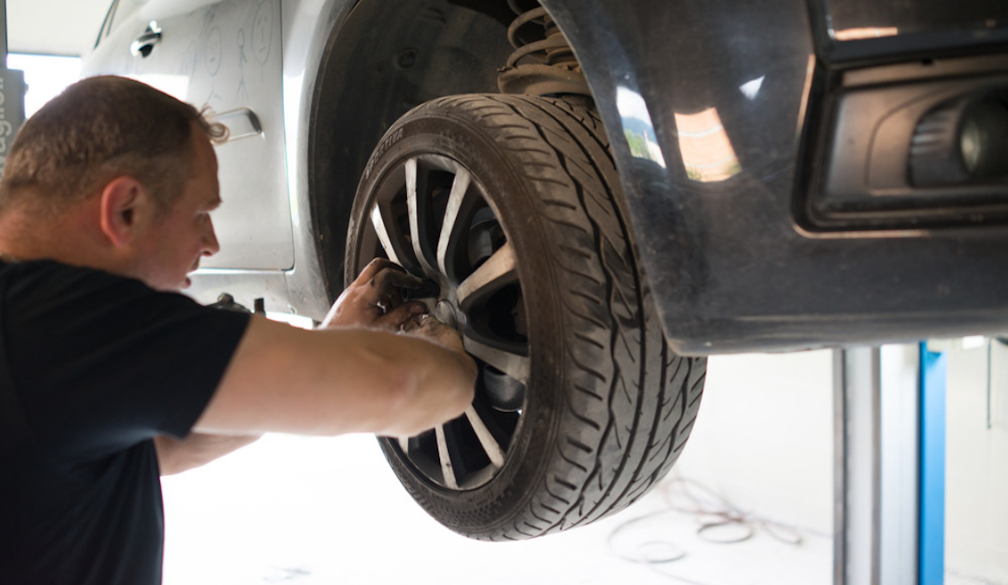
Opening a local auto shop can be a rewarding way to build a business that serves a real community need. Drivers depend on reliable repair and maintenance services to keep their vehicles safe, efficient, and road-ready, which creates steady demand for well-run shops with a strong reputation.
That said, success does not come from mechanical skill alone. Starting an auto shop also requires careful planning, smart financial decisions, and a clear understanding of what it takes to operate a professional service business. Breaking the process into manageable steps can make the launch more practical and sustainable.
Choose A Business Structure
One of the first steps is deciding how the business will be legally organized. This choice affects taxes, liability, recordkeeping, and the overall structure of the company. Many owners compare options such as sole proprietorships, partnerships, corporations, and limited liability companies before making a decision that fits their goals.
According to the U.S. Small Business Administration, an LLC is among the most commonly chosen business structures. That popularity reflects the appeal of a setup that can offer operational flexibility while also helping separate personal and business liabilities. For a local auto shop, starting with the right structure can create a stronger foundation from the beginning.
Build A Clear Business Plan
A solid business plan helps turn a general idea into an operational roadmap. It should outline the services the shop will provide, the target customer base, expected startup costs, monthly overhead, pricing strategy, and goals for growth. This plan also gives the owner a more realistic picture of how much revenue the shop needs to generate to stay healthy.
A detailed plan is especially useful when seeking financing or leasing a commercial space. Lenders, investors, and landlords often want to see that the owner has thought through the market, the competition, and the long-term approach. Even for a small local shop, planning on paper can prevent expensive guesswork later.
Find The Right Location And Facility
Location plays a major role in how visible and convenient the shop will be for customers. A strong site should be easy to access, have adequate parking, and provide enough space for service bays, storage, customer waiting areas, and equipment. The building itself should also support the kind of work the shop plans to handle each day.
The facility should not be treated as an afterthought, because commercial features affect both functionality and appearance. According to Business Wire, Inc, the U.S. commercial door market was valued at $9.73 billion in 2023 and is projected to reach $11.53 billion by 2029. That growth reflects the ongoing importance of durable, specialized building components in commercial spaces, including the kinds of overhead and service doors an auto shop may rely on every day.
Prepare For Equipment And Inventory Needs
An auto shop needs more than tools and lifts to operate efficiently. Owners must think through diagnostic equipment, workstations, storage systems, safety gear, software, and the availability of commonly needed parts. The ability to keep work moving without repeated delays can have a direct effect on customer satisfaction and daily profitability.
Parts sourcing deserves special attention because it can become a major operational challenge. According to Automotiveresearch.com, 20.6% of collision repair shop respondents in a survey identified finding affordable parts as their top concern. Even a general local auto shop can face similar pressure, so building reliable supplier relationships early can make the business more resilient.
Handle Licensing, Staffing, And Daily Operations
Before opening, the shop needs to secure the required licenses, permits, insurance policies, and tax registrations. Local and state rules may vary, so it is important to confirm what is needed for automotive repair operations in the specific area. Skipping administrative details can delay opening or create compliance problems that are difficult to fix later.
Staffing decisions matter just as much. A shop may begin with a small team, but every hire affects service quality, workflow, and customer trust. Owners should also establish daily systems for scheduling, invoicing, communication, and recordkeeping so the business can run consistently instead of relying on improvised decisions.
Focus On Reputation And Local Growth
Once the shop is ready to open, building trust in the community becomes the next priority. Customers often choose a local auto shop based on reliability, professionalism, and word-of-mouth reputation. Clean facilities, clear communication, and dependable work can help create repeat business far more effectively than advertising alone.
Growth usually follows when the customer experience stays consistent. A shop that starts with realistic planning, strong operations, and attention to service quality is better positioned to earn loyalty over time. For local auto businesses, long-term value often comes from becoming the place drivers feel comfortable returning to whenever their vehicles need care.


 Business Daily Media