Why Pipe Floats Are Essential for Supporting Industrial Pipeline Systems
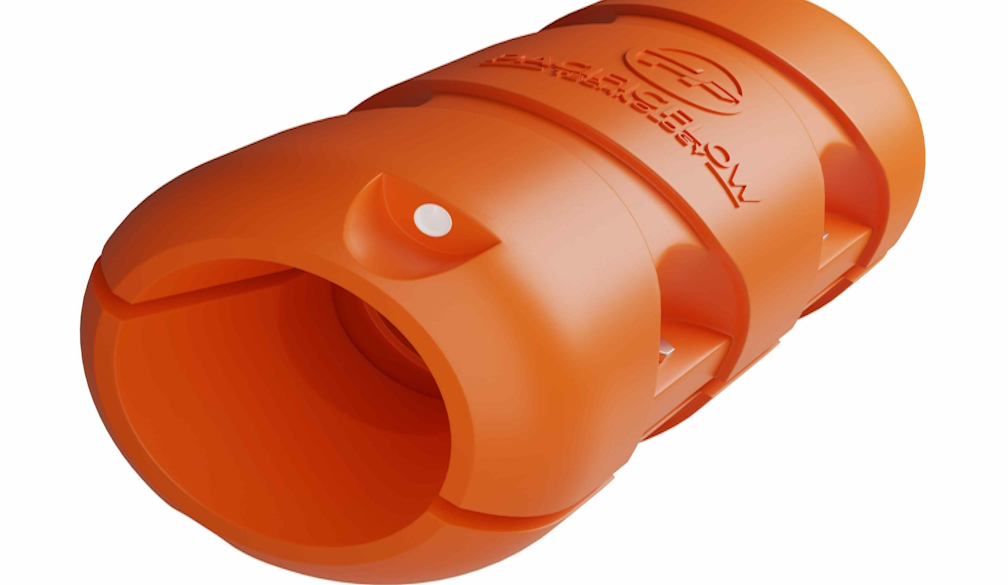
Industrial operations that involve transporting fluids across water bodies or large distances often require pipelines that remain stable and properly positioned. In environments such as mining sites, dredging operations, and marine construction projects, pipelines must remain afloat while maintaining structural integrity. One effective solution for supporting these systems is the use of Pipe floats, which help keep pipelines buoyant and secure during fluid transport.
Pipe floats are widely used in applications where pipelines transport slurry mixtures, dredged materials, or water across lakes, rivers, or coastal environments. Their ability to stabilise floating pipelines ensures that materials can be transported efficiently while minimising environmental impact.
Understanding the Function of Pipe Floats
Pipe floats are buoyancy devices designed to support pipelines or hoses that operate in water environments. These floats are typically attached at intervals along a pipeline to ensure that the system remains afloat and properly aligned.
Without pipe floats, pipelines carrying slurry or water could sink or become misaligned, which would disrupt fluid transport and create operational challenges.
Pipe floats help maintain the correct positioning of pipelines while allowing them to move slightly with water currents and environmental conditions.
This flexibility helps prevent excessive stress on the pipeline structure.
Applications in Mining and Dredging Operations
Mining and dredging industries commonly use pipe floats to support pipelines transporting slurry mixtures or dredged materials.
In dredging operations, sediments are removed from waterways and transported through pipelines to designated disposal areas. Pipe floats keep these pipelines afloat so that materials can move efficiently across water surfaces.
Mining operations may also use floating pipelines to transport tailings or slurry mixtures from extraction areas to processing plants.
Pipe floats help ensure that these pipelines remain stable while transporting heavy materials.
Construction and Design Features
Pipe floats are typically manufactured from durable materials such as high-density polyethylene, which offers strength, buoyancy, and resistance to environmental damage.
Many pipe floats consist of two halves that clamp securely around the pipeline. This design allows them to be installed easily while maintaining a strong grip on the pipe.
The outer shell protects the float from impacts, ultraviolet radiation, and harsh environmental conditions.
These design features ensure that pipe floats remain durable and functional even in demanding marine environments.
Buoyancy and Stability Benefits
One of the primary advantages of pipe floats is their ability to provide buoyancy to heavy pipelines carrying fluids or slurry mixtures.
By distributing buoyant support along the length of the pipeline, pipe floats prevent sections of the pipeline from sinking.
This balanced support helps maintain consistent pipeline alignment and prevents unnecessary stress on joints and connectors.
Stable pipelines improve the efficiency of fluid transport systems and reduce the risk of operational disruptions.
Improving Efficiency in Fluid Transport
Efficient fluid transport is essential for industries that rely on pumping systems to move materials across large distances.
Pipe floats help maintain smooth pipeline operation by ensuring that pipelines remain properly positioned in water environments.
When pipelines remain stable and aligned, pumps can operate more efficiently and deliver consistent flow rates.
Improved system efficiency contributes to higher productivity and reduced operational costs.
Safety and Environmental Protection
Floating pipeline systems must operate safely in environments where workers and equipment are present. Pipe floats help prevent pipelines from sinking or drifting into unsafe positions.
Maintaining stable pipelines reduces the risk of spills or leaks that could affect surrounding ecosystems.
High-quality pipe floats are designed to withstand environmental stress while supporting the safe operation of fluid transport systems.
These features help protect both workers and natural environments.
Ease of Installation and Maintenance
Pipe floats are designed for straightforward installation and maintenance. Because many floats are constructed as two-piece units, they can be attached to pipelines quickly without specialised tools.
Routine inspection ensures that floats remain securely attached and free from damage.
If maintenance is required, floats can often be removed and replaced easily.
This convenience makes pipe floats a practical solution for supporting floating pipeline systems.
Supporting Reliable Pipeline Infrastructure
Pipe floats play a critical role in maintaining stable floating pipelines used in mining, dredging, and industrial fluid transport operations.
By providing buoyancy and structural support, these devices ensure that pipelines remain properly positioned and functional.
Reliable pipe float systems help maintain efficient fluid transport, improve safety, and support the productivity of industrial operations.
As industries continue to expand their use of floating pipelines, pipe floats remain an essential component of modern pipeline infrastructure.


 Business Daily Media