Dangers of Sun Damage and Its Effects on Premature Skin Ageing
Ageing is an inevitable part of life, and with time the skin naturally becomes less firm as collagen production declines and elasticity weakens. That said, the changes we see in our skin are not driven by age alone. A large share of visible skin ageing occurs prematurely due to ultraviolet radiation. Studies indicate that long term sun exposure accounts for the vast majority of outward signs of ageing, with estimates suggesting it contributes to as much as 90 percent of visible skin changes.
Unlike the steady and predictable nature of natural ageing, damage caused by ultraviolet radiation builds more rapidly. Years of repeated exposure can significantly speed up the appearance of ageing. The positive news is that much of this damage is avoidable when sun protection becomes a regular part of daily life.
Key Points
- Ultraviolet radiation accelerates skin ageing by harming DNA and interfering with the skin’s natural repair processes.
- Ongoing sun exposure breaks down collagen and elastin, causing the skin to lose firmness and develop wrinkles and sagging earlier than expected.
- UV damage increases oxidative stress within skin cells, contributing to fine lines, roughness and uneven texture.
- Prolonged exposure to ultraviolet rays is a leading cause of premature ageing and also increases the likelihood of skin cancers.
Why Skin Ages Early
Skin ageing occurs through two broad pathways: natural internal ageing and externally driven damage.
Internal ageing is genetically programmed and unfolds gradually over time. As part of this process, the skin becomes thinner, collagen production slows, and elasticity decreases.
External ageing is largely influenced by environmental factors, with ultraviolet radiation being the most significant contributor. UV rays penetrate the skin and cause microscopic damage to its structure. This damage accumulates over the years and eventually becomes visible on the surface.
Understanding Photoageing
Photoageing refers to premature skin ageing caused by repeated exposure to ultraviolet radiation from sunlight or artificial sources such as tanning beds. This exposure weakens collagen and elastin fibres that keep the skin smooth and resilient.
As these support structures deteriorate, the skin is more prone to developing fine lines, deeper wrinkles, uneven texture and changes in pigmentation. These changes tend to be more pronounced and irregular than those seen with natural ageing alone.
Photoageing Versus Natural Ageing
Natural ageing progresses steadily and is shaped by genetic factors and time. It results in slower skin cell turnover and a gradual decline in collagen.
Photoageing, on the other hand, produces characteristic changes linked directly to sun damage. These may include sunspots, uneven pigmentation, coarse texture and a thickened, leathery appearance in severely affected areas.
Although both processes occur together, ultraviolet exposure significantly accelerates visible ageing beyond what would normally occur with time alone.
Who Is More Prone to Sun-Induced Ageing
Some people are more vulnerable to sun-related skin changes than others.
Individuals with fair skin have lower levels of melanin, which provides limited natural protection from ultraviolet radiation. Those with light eyes, lighter hair, freckles, or skin that burns easily before tanning are at higher risk of developing early signs of sun damage.
While darker skin contains more melanin and offers greater natural protection, it is still susceptible to ultraviolet damage. Repeated exposure can lead to pigmentation changes and uneven skin tone over time.
Additional risk factors include having many moles, a personal or family history of skin cancer, and patterns of intense, intermittent sun exposure such as occasional long days in the sun. Spending time at higher altitudes also increases risk due to stronger ultraviolet radiation.
Common Signs of Sun-Related Skin Ageing
Typical features of photoageing include fine lines, deeper wrinkles and reduced skin elasticity. The skin may feel rougher or appear thinner in sun exposed areas.
Changes in pigmentation are also common. Sunspots, uneven colouring and patches of darker pigment often develop on areas frequently exposed to the sun, including the face, neck, chest and hands. When these changes become more noticeable or progress over time, an assessment at an elite skin clinic can help determine the extent of sun damage and exclude other underlying concerns.
Everyday Habits That Help Slow Photoageing
Reducing premature ageing relies on consistent protective behaviours. Leading melanoma clinics recommend the following measures to limit cumulative ultraviolet exposure.
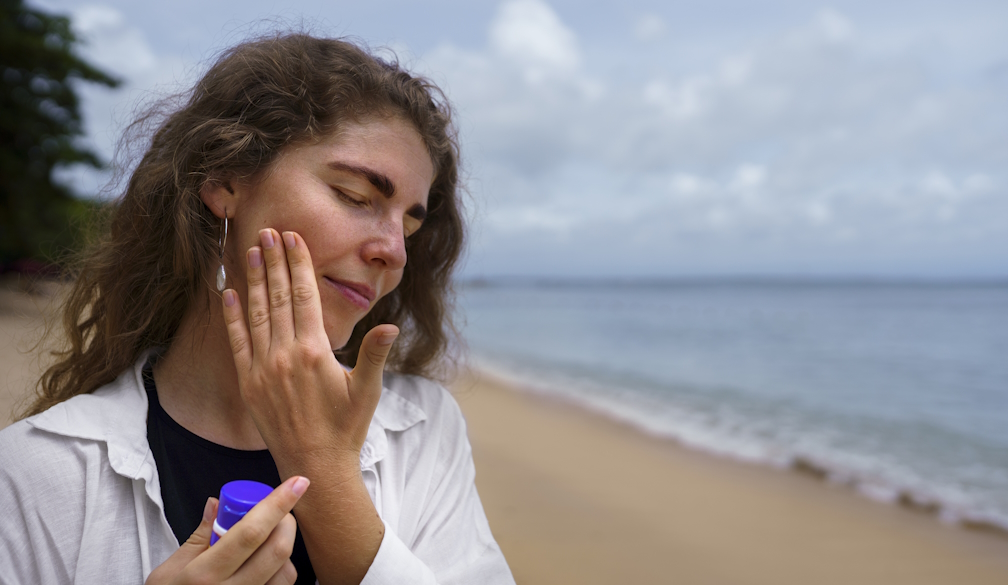
Applying a broad spectrum sunscreen with a minimum SPF of 30 each day is essential, even during brief outdoor activities. Ultraviolet radiation accumulates gradually, including during everyday exposure such as driving or walking outdoors.
Wearing protective clothing such as long sleeves, wide brimmed hats and closely woven fabrics provides an extra layer of physical protection. Seeking shade, particularly during peak ultraviolet hours between 10 am and 4 pm, further lowers overall exposure.
When practised consistently, these simple habits can make a meaningful difference to long term skin health.
Managing Existing Sun Damage
If signs of photoageing are already present, a range of options may help improve the appearance of the skin.
Topical products containing retinoids can encourage collagen production and support skin renewal. Vitamin C serums may assist with brightening uneven tone and reducing pigmentation changes. Ongoing sunscreen use remains essential to prevent further damage.
In cases of more advanced sun damage, professional treatments such as chemical peels, laser therapy and microdermabrasion may be considered. The most suitable approach depends on individual skin type and the extent of existing damage.
Reducing the Impact of Sun-Related Ageing Over Time
Skin ageing is shaped by both unavoidable internal changes and preventable external factors such as ultraviolet exposure. While natural ageing cannot be stopped, the visible effects of photoageing can be significantly reduced.
Regular sunscreen use, protective clothing, shade seeking during peak sun hours and routine skin checks all play an important role in maintaining skin health. Over time, these consistent behaviours help protect collagen, preserve skin structure and limit further visible ageing.
If new pigmentation, persistent rough areas or changing spots appear, arranging an assessment at a premier skin cancer clinic can help evaluate sun damage and rule out any underlying issues.


 Business Daily Media