What to Look for When Choosing a Builder for Your Forever Home
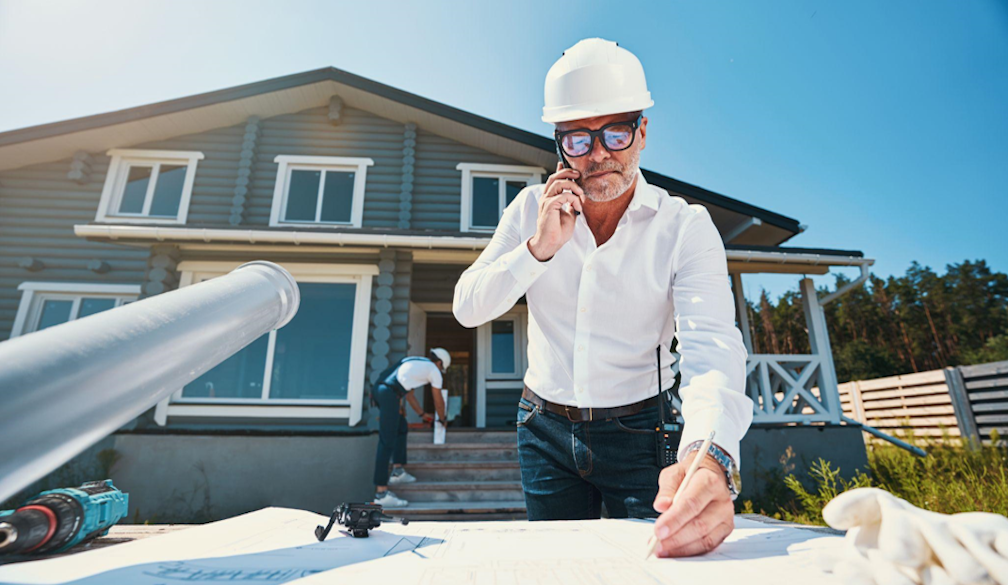
Key Takeaways:
- Quality should be assessed through both structural standards and long-term durability, not just surface finishes.
- Clear communication and honest transparency help keep the building journey smooth and predictable.
- Experience and a proven record of past projects are strong indicators of reliability.
- Long-term support, including warranties and aftercare, ensures your home continues to meet expectations well into the future.
Building your forever home is one of those rare milestones that blends excitement with serious decision-making. It’s not just another project; it’s the place where you’ll put down roots, raise a family, and create memories over decades. Choosing the right builder shapes every part of that journey, from the way the house stands up to time, to how smoothly the process runs. When you know what to look for, you give yourself the best chance of walking into a home that feels right the moment you open the door.
What Quality Really Means in Home Building
Quality in a new home is often talked about but not always understood in the same way by builders and clients. A glossy brochure might highlight stone benchtops or premium fittings, but those details are only part of the story. True quality sits beneath the surface in the materials used for the frame, the foundations, and the way every joint is finished.
When you’re assessing a builder, don’t just look at display homes. Ask about the grade of timber, the type of concrete used, or the standards they work to. Builders committed to long-lasting results won’t hesitate to explain their processes or point you to homes they’ve completed years ago. Walking through a house that has already stood the test of time will give you more certainty than any sales pitch.
It’s also worth looking at how they handle inspections and quality checks during the build. A team that welcomes independent checks or provides regular updates on workmanship shows that they’re confident in their standards. That confidence often translates into homes that not only look impressive but hold up structurally for generations.
Understanding Communication and Transparency
Clear communication may sound like a soft skill, but in the middle of a build, it can make the difference between calm and chaos. The process of designing, approving, and constructing a house involves many moving parts, and you’ll want a builder who takes the time to keep you in the loop.
When initial meetings are rushed or answers feel vague, consider how that might play out once contracts are signed. A builder who explains costs clearly, outlines timelines, and discusses potential delays before they happen shows respect for your role in the process. This openness creates trust, and trust is essential when you’re handing over such an important project.
Transparency also extends to problem-solving. No build is entirely free of challenges, whether it’s a weather delay or a supply shortage. What matters is how quickly and honestly your builder shares the issue with you, and how practical their proposed solutions are. The smoother these conversations flow, the more likely you are to feel in control of the journey, rather than caught off guard.
The Importance of Experience and Track Record
A builder’s history often tells you more than any marketing campaign ever could. Looking into past projects gives you a real sense of how they approach design, deadlines, and workmanship. Homes that have stood for ten or twenty years without major issues reflect a builder’s ability to deliver more than just a good first impression.
Reputation in the building industry is earned slowly and steadily. When clients recommend a company to friends or family, it’s usually because the process was handled professionally and the result lived up to expectations. That’s why established names like Beechwood Homes are often spoken about in conversations around trust and dependability. Longevity in the industry usually signals a consistent standard that new entrants haven’t yet proven.
Checking a builder’s track record doesn’t have to stop at finished projects. Industry awards, client testimonials, and independent reviews can help round out the picture. Together, these factors give you a clearer understanding of whether a builder can turn promises into a reliable outcome.
Balancing Design Flexibility with Practicality
Everyone has a vision for their forever home, whether it’s a spacious kitchen, an outdoor entertaining area, or a particular architectural style. A good builder should welcome these ideas but also provide honest feedback about what’s realistic. Flexibility in design is important, yet it should never come at the expense of structural integrity or your budget.
Builders who understand this balance will encourage creativity while guiding you through potential challenges. They’ll help you weigh the costs of specific inclusions against long-term maintenance or energy efficiency. For example, oversized windows may create a beautiful open feel, but the right builder will also talk you through insulation and climate control considerations.
A forever home should feel personal, but it should also be practical to live in. Builders who combine design freedom with sensible advice are the ones most likely to deliver a house that works not just for today but for the decades ahead.
Long-Term Support and Warranties
The relationship with your builder doesn’t end the day you move in. A truly reliable company stands by its work long after the last coat of paint dries. This ongoing support is evident in the warranties they provide, the clarity of their maintenance advice, and their responsiveness when questions arise months or years later.
Builders who offer structured defect liability periods show they’re willing to be accountable for the finer details that only reveal themselves after a home has been lived in. It’s in these follow-up stages that trust is reinforced. Knowing your builder will answer the phone or arrange a tradesperson promptly brings peace of mind that stretches far beyond handover day.
Long-term backing also reflects confidence in the quality of the build itself. When a builder offers meaningful warranties, it signals that they expect their workmanship to last and are prepared to support you if issues arise. For a home that’s intended to be permanent, this level of assurance is worth weighing heavily in your decision.
Conclusion
Choosing the right builder for your forever home is about more than floor plans and finishes. It’s about finding a partner who values quality as much as you do, communicates with clarity, and delivers on promises with consistency. When experience, design flexibility, and long-term support all align, you’re far more likely to end up with a house that feels solid, practical, and uniquely yours. The process becomes less about managing stress and more about watching your vision take shape with confidence.


 Business Daily Media