How to Make Small Spaces Feel Bigger with the Right Design Choices
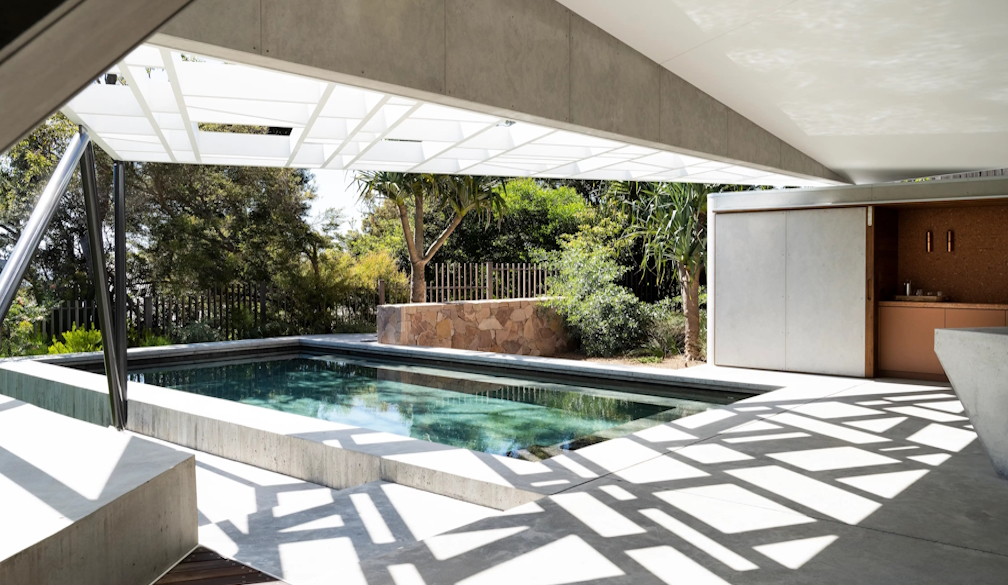
Living in a smaller home or apartment can be charming, but it also comes with its challenges. When space is limited, every design choice you make has a big impact on how your home feels. The good news is that with the right strategies, you can create the illusion of more room without knocking down walls or spending a fortune. From smart storage solutions to carefully chosen finishes like limestone tiles, these design tweaks can make your space feel airy, open, and inviting.
The key is to think beyond just furniture placement. Colour, light, and texture all play a role in shaping how large or small a room feels. By making thoughtful choices in these areas, you can transform even the cosiest corners into comfortable, functional spaces that never feel cramped.
Light Colours and Reflective Surfaces
One of the easiest ways to make a room feel bigger is by using lighter colours on walls, ceilings, and floors. Whites, creams, and soft neutrals reflect more light, giving the space an open, airy feel. If white walls aren’t your style, consider pale pastels or light greys for a similar effect.
Incorporating reflective surfaces such as mirrors, glass, and high-gloss finishes also helps bounce light around the room. A strategically placed mirror opposite a window can instantly make the space appear larger and brighter.
Furniture That Fits (and Functions)
Oversized furniture in a small space can overwhelm the room, making it feel even tighter. Instead, choose pieces that are scaled appropriately — think slimmer profiles, open legs, and multipurpose designs.
Consider furniture that does double duty, like a coffee table with hidden storage, a bed with drawers underneath, or nesting side tables. These pieces save floor space while still offering plenty of functionality.
Keep the Floor Clear
Clutter is one of the biggest culprits in making a room feel smaller. Whenever possible, opt for wall-mounted shelving, floating TV units, and slim bookcases to free up floor space.
The more visible floor area you have, the more open the room will feel. Even switching to a smaller rug or one with a lighter pattern can make a surprising difference.
Use Vertical Space
When you can’t go out, go up. Tall shelving units, vertical artwork arrangements, and full-height curtains draw the eye upward, making ceilings appear higher.
Hanging plants or installing hooks for baskets can also help you store items without taking up precious floor space.
Create Flow with Flooring
Consistent flooring throughout your home creates a seamless look that visually expands the space. Avoid sudden changes in colour or material from room to room, as this can break up the flow and make areas feel smaller.
Light, natural finishes — whether wood, stone, or quality vinyl — can enhance the feeling of openness. If you’re using area rugs, choose ones that complement rather than compete with the flooring underneath.
Layer Your Lighting
Relying on a single overhead light can cast harsh shadows and make a room feel flat. Instead, layer your lighting with a mix of overhead fixtures, table lamps, wall sconces, and floor lamps.
This approach adds depth and dimension while ensuring every corner is well-lit. A brighter space naturally feels more spacious.
Keep Patterns Subtle
Bold patterns can be beautiful, but in small spaces, they can easily overwhelm. If you love pattern, try incorporating it in smaller doses — through cushions, throws, or a feature wall — while keeping the rest of the décor simple and understated.
Add Glass and Open Elements
Solid barriers can close off a room, while glass and open designs keep sightlines clear. Glass coffee tables, open shelving, and see-through dining chairs can make a room feel less crowded.
If privacy isn’t a concern, replacing solid doors with glass ones can also increase the sense of openness between rooms.
Embrace Minimalism
While you don’t need to strip your home bare, adopting a “less is more” approach can have a big impact. Focus on quality over quantity — a few well-chosen pieces will have more visual impact than a room full of items competing for attention.
Keep surfaces clear, store away items you don’t use daily, and make intentional choices about what you bring into your home.
Small spaces can be stylish, comfortable, and full of personality when designed thoughtfully. By choosing lighter colours, keeping clutter in check, and using tricks like consistent flooring and layered lighting, you can make your home feel far more spacious than its square footage suggests. The right design choices don’t just make a room look bigger — they make it more enjoyable to live in.


 Business Daily Media