What Makes FR Clothing Fire Resistant?
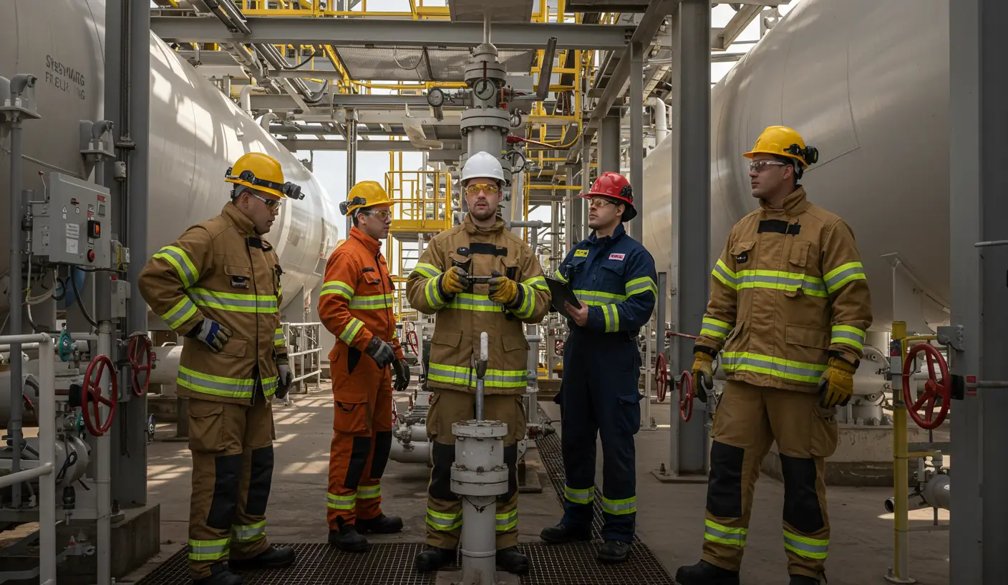
FR clothing is one of the most critical safety gear for protecting people from the dangers of fire and hot conditions. It is essential to understand the science behind FR clothing, its importance, and the specific hazards it protects against to ensure safety in various industries.
FR clothing is designed to withstand ignition and stop fires from spreading. This is done by using specific materials and treatments:
- Fabrics with Inherent Flame Resistance: These materials have molecularly inherent flame resistance. Examples of fabrics whose protective properties do not deteriorate with time or washing include Nomex and Kevlar.
- Treated Flame-Resistant Fabrics: Standard fabrics, such as cotton, can be treated with chemical flame retardants to enhance their resistance to ignition. The efficacy of these treatments may wane over time and particularly with repeated washing.
The main function of FR clothing is to self-extinguish once the ignition source is removed to reduce the risk of burn injuries. This self-extinguishing characteristic gives the wearer vital protection by preventing the clothing from serving as a fuel source.
Importance of Wearing Flame-Resistant Clothing
FR clothing is essential safety gear in high-risk industries. Key reasons include:
- Protection Against Severe Injuries: FR clothing protects from injuries in hazardous work environments. This protection is essential in environments where flash fires, electric arcs, or combustible dust explosions are potential hazards.
- Compliance with Safety Standards: The use of FR clothing is required by strict safety regulations that apply to many industries. For example, the National Fire Protection Association's NFPA 2112 standard specifies requirements for flame-resistant garments used in areas at risk of flash fires.
- Increased Confidence and Productivity: Employees can carry out their responsibilities with more assurance when they know they are protected, which may boost morale and productivity.
Hazards Flame-Resistant Clothing Protects From
FR coveralls are designed to shield workers from specific hazards:
- Flash Fires: Intense fires caused by the ignition of flammable vapors can engulf workers in seconds. FR clothing offers a barrier that can stop or lessen burn injuries in these situations.
- Electric Arc Flashes: Temperatures of up to 35,000°F can be produced by unforeseen electrical discharges. By wearing FR clothing, Arc flash thermal hazards can be mitigated.
- Combustible Dust Explosions: Dust can ignite and cause explosions in industries where fine particles are present. FR clothing protects from the heat and flames that result.
When Do We Need to Wear Flame-Resistant Clothing?
Flame-resistant clothing depends on a thorough hazard assessment of the workplace. Situations that typically require FR clothing include:
- Oil and Gas Industry: As FR clothing is exposed to flammable liquids and gases, workers need to wear oil and gas FR clothing in the oil and gas industry.
- Electrical Utilities: Workers who handle high-voltage equipment can experience arc flashes that can occur.
- Welding and Metal Fabrication: Welding FR clothing is required because of the presence of molten metal and open flames.
- Chemical Manufacturing: Handling flammable chemicals requires protective clothing to mitigate fire risks.
In order to pinpoint possible fire-related risks and make sure that their staff members are dressed appropriately, employers are in charge of carrying out hazard assessments.
Flame-resistant clothing is essential for protecting employees from fire-related risks. To establish a safer work environment, employers and employees can collaborate by comprehending the materials and technologies that make FR clothing effective, appreciating the significance of its use, and identifying the particular hazards it protects against. For a successful safety program, regular training, FR garment maintenance, and adherence to safety regulations are essential.
Frequently Asked Questions
What makes clothing fire retardant?
Fire retardant clothing is clothing that has been chemically treated or made of naturally flame resistant fibers that do not ignite, self-extinguish, or melt in the presence of flames.
How can I determine if a piece of clothing is fireproof?
Look for the garment label for compliance with safety standards such as NFPA 2112 or ASTM F1506. FR clothing frequently has tags indicating its fire resistant qualities, and manufacturers offer certifications.
Why is it necessary to wear flame-resistant clothing in industrial settings?
FR clothing protects workers from severe burns caused by flash fires, electric arcs, and combustible dust explosions, ensuring compliance with safety regulations.
What materials are used to design flame-resistant clothing?
Flame resistant clothing is designed with treated cotton blends that provide fire resistance through chemical applications, as well as fibers that are naturally flame-resistant, such as Nomex, Kevlar, and modacrylic.


 Business Daily Media