Traffic Signs Regulatory: Understanding the Rules of the Road
- Written by Business Daily Media
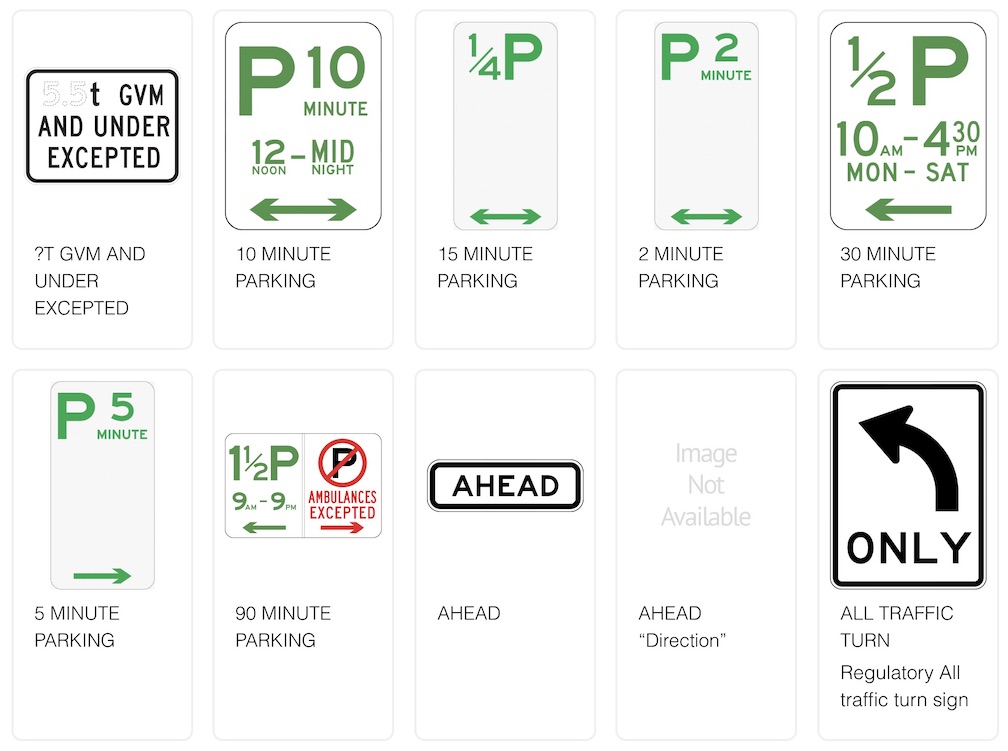
Traffic signs are an important part of keeping road users safe and preventing accidents. Every driver should be aware of the different types of traffic signs in order to understand the rules of the road. In this article, we will discuss the purpose of traffic signs, how to identify and understand regulatory signs, the role of warning signs, and the various types of regulatory signs. We will also explore the importance of obeying traffic signs in order to protect yourself and other road users.
The Purpose of Traffic Signs
Traffic signs are essential in helping direct and regulate road users so that they can get to their destinations safely. They provide information on upcoming hazards and give directions for drivers and pedestrians. In most countries, traffic signs are regulated and enforced by law, so it is important for drivers to be familiar with them.
Understanding Regulatory Signs
Regulatory signs are the most common type of traffic sign. These signs are used to inform road users of the laws and regulations they must follow in order to maintain safety on the roads. Typically, these signs will be in the form of a circle or rectangle and usually have black text and symbols on a white background. Understanding the meaning of each sign is essential for motorists as disregarding them can lead to fines or even jail time.
Artcraft sells all kinds of traffic signs, including regulatory signs, warning signs and signs for special purposes. You can take a look at our extensive range.
The Role of Warning Signs
Warning signs are also commonly used on roads and highways to alert drivers of potential hazards ahead. These signs typically come in the form of diamonds, often with yellow or orange backgrounds. The purpose of warning signs is to alert drivers to any potential danger that may be ahead, such as a sharp turn or narrow bridge. It is important for drivers to pay attention to any of these signs in order to stay safe.
Different Types of Regulatory Signs
- Speed Limit Signs: Speed limit signs are used to indicate the maximum speed that a vehicle may travel on a particular road. Drivers should always obey these signs in order to avoid receiving fines and endangering other road users.
- Stop Signs: Stop signs indicate that a driver should come to a complete stop before proceeding. Obeying stop signs is crucial for the safety of all road users.
- Yield Signs: Yield signs indicate that drivers should slow down and allow other vehicles to proceed before they can go. This is typically used at intersections where there are no traffic lights.
- One-Way Signs: As the name suggests, one-way signs indicate that a road is for traffic only in one direction. Drivers should adhere to these signs in order to prevent collisions.
- No Entry Signs: No entry signs are used to prohibit drivers from entering a road, typically due to a dead-end or one-way street.
- No U-Turn Signs: No U-Turn signs indicate that drivers are not allowed to make a U-turn at the location. This is typically done for safety reasons, such as on busy streets or highways.
The Importance of Obeying Regulatory Signs
Traffic signs are an important part of keeping everyone safe on the roads. Motorists should always obey the signs in order to avoid fines and potential danger. Obeying signs such as speed limits and stop signs will help reduce the risk of accidents or injury. It is also important for pedestrians to be aware of the different types of traffic signs so that they can stay safe when crossing roads and navigating public areas.
Conclusion
Traffic signs play an important role in regulating and informing drivers and pedestrians. It is essential for everyone to know what the various signs mean and how to respond in order to maintain safety on the roads. Obeying traffic signs helps reduce the risk of accidents and injury, so it is important for all road users to understand and adhere to the regulations.

 Andrew Lai, Managing Director, Boab AI and Lead, SMEC AI