Techwave sparks engineering innovation through new intelligent solutions and technologies
- Written by: Business Daily Media

Techwave, a global leader in Information Technology and Engineering Services, announces the launch of a cloud- based interactive program management tool, named ‘Anchor’, a platform enabling users to manage their project tasks and activities in real time. This innovative solution integrates project tasks, enhances agility, boosts productivity, and achieves real-time outcomes.
Techwave's Anchor Platform sets a new standard in the engineering design services industry, streamlining multiple aspects of projects. This platform enables efficient design, management, collaboration, and communication, ensuring optimized performance throughout the project lifecycle. With an intuitive interface and robust features, Anchor Platform empowers Techwave and its clients to plan, track, and execute projects with ease, maintaining on time deliverables.
With a skilled team of over 1000 associates, including fixed and wireless design engineers, Techwave delivers solutions while adhering to industry standards and best practices through automation, digital engineering, and a shared understanding of project objectives. Techwave's global teams work together to ensure the best outcome for clients. The company takes pride in its diverse global team spanning North America, Europe, Australia, and India.
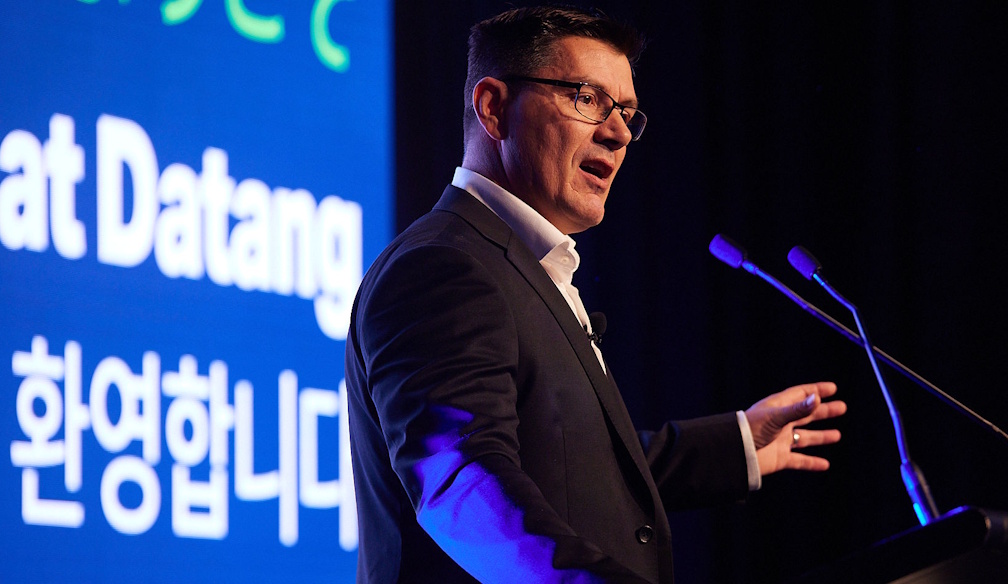
Mr. Raj Gummadapu, CEO of Techwave, commented on the launch of Anchor Platform, stating, "Our Engineering Services team prioritizes delivering robust solutions, helping clients accelerate their go-to-market strategies through integrated design tools and streamlined processes. Our approach empowers clients to achieve ambitious goals within timeframes and budgetary constraints, while mitigating potential issues. With the new Anchor Platform, we revolutionize the Engineering Business Unit."
Furthermore, Mr. Gummadapu added, "With our exceptional team and expertise, we have forged strong partnerships with leading Telecommunications, Energy, and Construction companies. We recently launched an Innovation Engineering Centre in Hyderabad, India to leverage high-tech talent. Through our facility, we offer integrated engineering solutions, customer experiences, and accelerators for network deployment services. Techwave excels in providing expertise across fiber and wireless communication technologies. With site surveys, tower design, RF planning, and deployment strategies, we ensure reliable and high-performance wireless networks. Techwave is combining digital technology and artificial intelligence with human expertise. We are thrilled about opportunities in this space to scale with human and technology convergence."
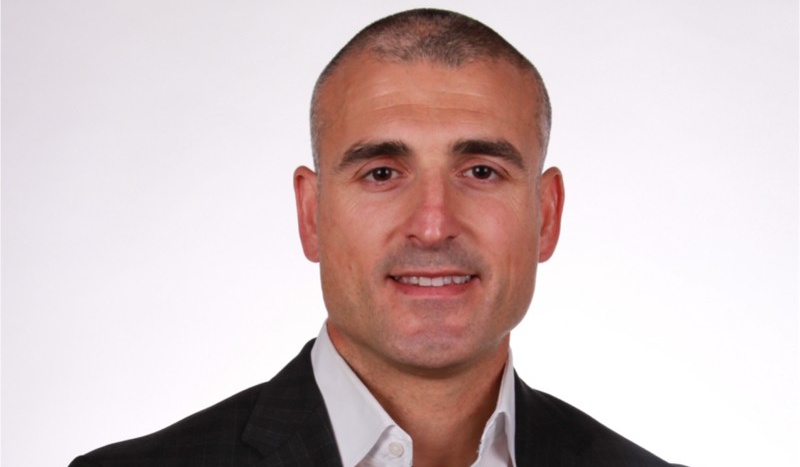
Jonathan Rosen - AVP, Head of Engineering, shared his excitement about the new platform, stating, "Driven by our unwavering commitment to continuous improvement, we thrive on learning, innovating, and refining our processes. Today, we are thrilled to introduce Anchor, a game-changing platform that empowers us to deliver transformative solutions that transcend client expectations. With the capabilities of the Anchor platform, we have confidence in our ability to provide exceptional services that not only meet but exceed the unique needs of our clients. Prepare to witness a new level of excellence as we embark on this journey together."
About Techwave:
Techwave is a global leader in Information Technology and Engineering services, revolutionizing digital transformations for clients. The company enables clients to maximize their potential and achieve a market share through Engineering and technology services, including Digital Engineering, Enterprise Intelligence, Enterprise Resource Planning, Application Modernization, Data Analytics, and the Internet of Things (IoT).
With expertise in Digital Transformation, Enterprise Application, and infrastructure Engineering Services, Techwave's team of experts operates in 11 countries, with headquarters in Houston, TX, USA.
For more information, please visit https://techwave.net/.