Reflections on stigma | ADHD is not a man’s disease | 3 women in business explain how it's a super power
- Written by: Business Daily Media

For people living with attention deficit hyperactivity disorder or ADHD, daily life is made up of a series of challenges, where even simple tasks like getting out of bed and getting to work on time are achievements in themselves. It’s hard to imagine how classic ADHD traits like forgetfulness, impulsiveness, disorganisation and feeling overwhelmed can also have a silver lining leading to business success, but a growing number of women are saying ADHD is the reason they are killing it in business.
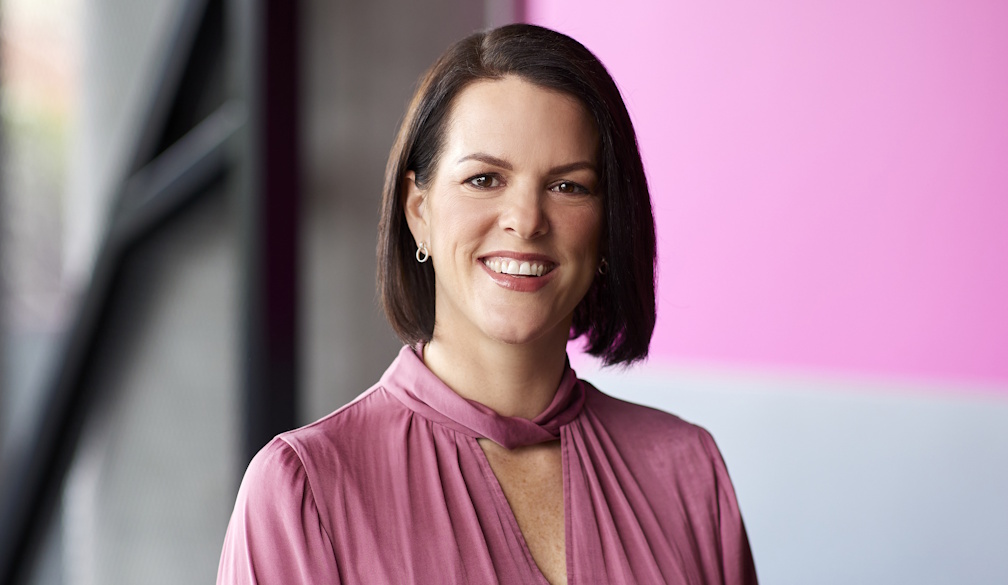
Angela Henderson, an international award-winning business consultant is a testament to the fact that ADHD can be a powerful tool to achieving goals and wants to help other women reach their full potential too. The mother of two, business owner and health clinician of 15 years believes it’s essential for women to learn to be successful by embracing their authentic selves and taking responsibility for their future.
“Research shows the positive benefits of ADHD include determination, creativity and innovation,” says Angela, “People with ADHD tend to do well in stimulating, busy, fast-paced environments and bring a lot of positive energy and enthusiasm to their workplaces.”
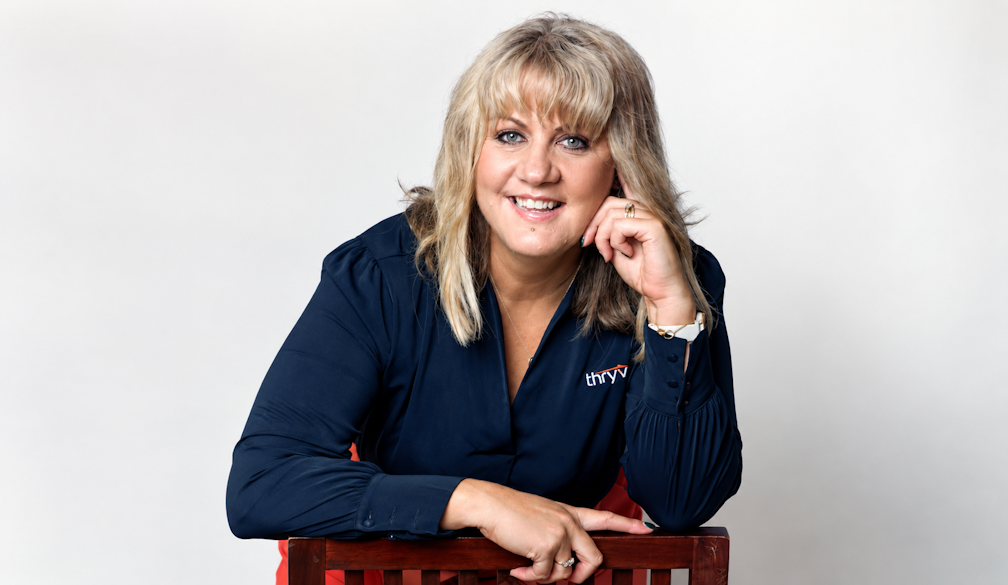
Digital marketing expert Cherie Clonan is one example of how ADHD can be managed in a way that facilitates success. “I’m in a privileged position where how I am isn’t presented as a disability, it’s only a disability when the right accommodations aren’t in place. When the right accommodations are there I feel really able, just like anyone else,” says the founder of digital marketing agency Digital Picnic.
Cherie says planning ahead is crucial for her to avoid common ADHD pitfalls but it comes at a huge cost.
“I have to map out my life to avoid the things that would otherwise bring me down. Perfectionism is my Achilles heel in life. With ADHD it’s the forgetting of things, losing things. I work so hard to just not do that. I’ve never been late to anything in my entire life, but I have to set up exhausting buffers to be able to achieve that.”
When we think of ADHD, we usually think of men. ADHD is a neurodevelopmental disorder that affects 1 in 20 Australians, but the true number could be even higher due to the underdiagnosis of women and girls. Compared to their male counterparts, women with ADHD are more likely to have other mental disorders like depression and anxiety, are more likely to experience difficulties with memory and concentration and frequently internalise their symptoms.
Women with attention deficit hyperactivity disorder also suffer from the same debilitating attention issues as men, but the lack of understanding of how the disorder presents itself in women means many receive the life-changing diagnosis much later on in life.
This is why they often feel inadequate when it comes to tasks that involve organisation and attention to detail, like planning a party or tidying up the house. A woman with ADHD may have a difficult time remembering birthdays or other important dates and keeping on top of their to-do lists.
They can sometimes struggle with being the "mother", the go-to person in the family that keeps track of schedules and takes care of everyone. Worst of all, many women may not even be aware of their ADHD symptoms, having successfully masked high-functioning ADHD for years until diagnosis.
“Societal expectations make it extra hard for women who have ADHD,” says Angela. “Managing yourself when your brain has difficulty making decisions and remembering things is already tough, but the overwhelming pressure of having to fulfil traditional caring roles on top of that can push many women to the point of burnout. Feelings of failure and inadequacy are sadly too common but thankfully there are many resources out there to help them overcome their obstacles and accomplish their goals.”
On the flipside, studies show that ADHD people bring a lot to the table at work and at home – they’re great at brainstorming, intellectually curious, passionate and highly capable. And ADHD characteristics like hyperfocus, the ability to intensely fixate on a single activity for long periods of time, has been an unexpected boon for Money Mindset founder Denise Duffield-Thomas.
She calls her method “batching”, using her hyperfocus to churn out tremendous amounts of work at a time. “I made 33 episodes of podcasts in one go,” says Denise, who only recently received her diagnosis not long after her 5 year old son received his.
“My ADHD wasn’t obvious to me growing up because everyone in my family had it. I’d lose my keys and bus pass every day at school but I’d also learn to read a whole book in an hour or do a whole assignment on the bus. Even at work I didn’t think it was a problem but a superpower that I could do all my work in three hours on a Friday afternoon.”
“We’re using our voices to make a bigger impact,” says Angela, “We’re educating our teams in the way we work. We are three amazing humans doing amazing things. I’m a 7 figure business consultant, Cherie employs 19 full-time staff and brings in millions of dollars. Denise just had her launch and made $1.2 million of the back of her 5 day launch. We all have ADHD. The reality of it is you can still be successful, it is at your fingertips if you choose to embrace it.”