Business Daily Media

The Times

.

how online beauty gurus get followers to trust them by posting negative reviews

  • Written by Rebecca Mardon, Senior Lecturer in Marketing, Cardiff University
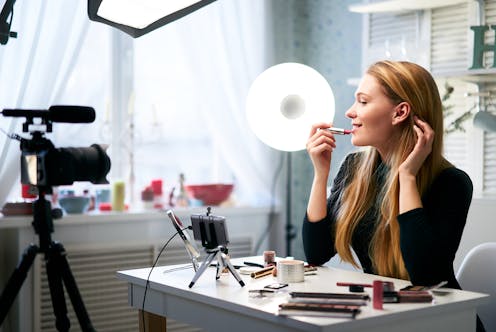
how online beauty gurus get followers to trust them by posting negative reviews

In a departure from their usual content, TikTok beauty influencers are “de-influencing”, telling viewers what not to buy[1]. Offering uncharacteristically critical product reviews, many are directing their criticism at products that they believe have been overhyped by other influencers on the platform.

The recent interest in de-influencing began with a controversy over a product recommendation. Viewers accused[2] TikTok beauty influencer Mikayla Nogueira of secretly applying false lashes to exaggerate the effect of a mascara that she had been paid to promote. The video and its backlash sparked wider debates surrounding influencers’ authenticity, prompting a deluge of “de-influencing” posts.

While the term “de-influencing” is a new addition to influencers’ vocabularies, the strategy itself has been around for years. In a recent study[3], we explored why people lose trust in the influencers they have so revered, and what influencers do to regain that trust.

We studied influencers who rose to prominence on YouTube as “beauty gurus”. Our participants (followers of these gurus) explained that in the early days of YouTube, vloggers offered unbiased product reviews, often being “brutally honest” about products they didn’t like. These critical reviews were key to many vloggers’ initial popularity. As one participant said, the content “saved us a lot of money”.

As vloggers grew in popularity, the world of influencer marketing was born. Brands capitalised on the trusted guru role by paying or incentivising them to promote products to their loyal followers.

Quarter life, a series by The Conversation
This article is part of Quarter Life[4], a series about issues affecting those of us in our twenties and thirties. From the challenges of beginning a career and taking care of our mental health, to the excitement of starting a family, adopting a pet or just making friends as an adult. The articles in this series explore the questions and bring answers as we navigate this turbulent period of life. You may be interested in: ‘Influencer’ is now a popular career choice for young people – here’s what you should know about the creator economy’s dark side[5] Binge-eating disorder is more common than many realise, yet it’s rarely discussed – here’s what you need to know[6] The sharing economy can expose you to liability risks – here’s how to protect yourself[7] This new influencer role led to an example of what we as researchers call “role conflict[8]”. Followers expected honest, unbiased recommendations from their favourite gurus, while brands expected influencers to portray their products positively. These expectations clashed, creating distrust among followers. Our participants said they doubted the honesty and trustworthiness of beauty vloggers once they were paid to promote products to their followers. This distrust was well founded. Our analysis of leading vloggers’ YouTube channels revealed that, after adopting an influencer role, they avoided talking critically about brands, perhaps because they did not jeopardise existing or potential brand collaborations. Influencers focused primarily on brands they loved, rather than those they didn’t. Critical reviews telling their followers what products not to buy became few and far between. Many of our participants reported unfollowing or avoiding content from influencers they no longer trusted to be honest. Such a reaction can put influencers’ success at risk, as follower engagement is central to their careers. Rebuilding trust We found that YouTube beauty vloggers quickly recognised the need to respond to this growing sense of distrust. We observed them using what we call “role prioritisation” strategy as a way to prove their authenticity. This meant prioritising their “guru” role over the “influencer” role and demonstrating this to their followers. They did this by providing more honest and critical product reviews. Vloggers created videos titled “Disappointing Products” and “Worst Purchases”, or simply integrated negative reviews into their wider content. Many released negative reviews of products “gifted” to them by brands’ PR teams, or of brands they had previously collaborated with. With these critical reviews, influencers showed followers that they valued their relationships with viewers over those with brands. And it worked. The followers we spoke to said that this behaviour encouraged them to place more trust in future product recommendations. This trust is key to retaining the trusted guru role that makes vloggers attractive to brands in the first place. The end of influencer culture? It’s not surprising that the conversation about influencers and trust is kicking off on TikTok. The platform’s algorithm, which serves up an endless stream of short video content personalised to users on the “For You Page”, combined with the platform’s trend-driven nature[9], means TikTokkers are particularly guilty of hyping up the latest “must have” beauty products. The endless deluge of product recommendations may be overwhelming to users, and leave those influenced with dwindling bank balances. Influencers on competing platforms like YouTube learned long ago that they must engage in role prioritisation to retain viewer trust. The popularity of the de-influencing trend shows that TikTok influencers are learning this lesson now. Some commentators[10] have hailed de-influencing as the death of influencing and thus of the influencer. But our research suggests the opposite. De-influencing is a form of influencing, one that many consumers are more receptive to, particularly in the current economic climate. Rather than representing the demise of influencers, de-influencing is an opportunity for them to reassert their original “guru” role and gain trust through transparency and authenticity. It is a strategy used to protect their influencer role – and future income.

Read more https://theconversation.com/de-influencing-how-online-beauty-gurus-get-followers-to-trust-them-by-posting-negative-reviews-199223

New AR tech helping to solve field service skills crisis

AI-enabled augmented reality (AR) smart glasses are emerging as a new practical solution to fill a shortage of field service technicians maintaini...

For Midsize Companies, Global Payroll Systems Matter More to Business-Security Than You Think

When a midsize company expands across borders, its payroll operation becomes exponentially more complex. These organisations typically face a new ...

GEO and the AI search shift reshaping Australian and New Zealand business visibility

For years, one of the biggest digital marketing questions for businesses was ‘how do we get onto page one of Google?’ That question still matters, ...

Why self-service is reshaping fleet management for modern businesses

Fleet management today is constrained by fragmented systems and heavy administrative demands. A lot of the work still relies on booking vehicles and...

Fraud Prevention and security crucial as identity crime hits record highs in Australia

In a radically transformed risk landscape where the scale and speed of financial fraud have reached unprecedented levels, Australian businesses ar...

Sectorial ATO Tax Debt Disclosures Rise, Overall Business Credit Demand Flattens and High-Risk SME 'Credit Shopping' hits 8-month peak

Q1 2026 Equifax Business Market Pulse shows low-risk borrowers consolidate demand enquiries while sub-prime entities accelerate shopping activity ...