How Property Development in Victoria is Driving Jobs and Economic Growth
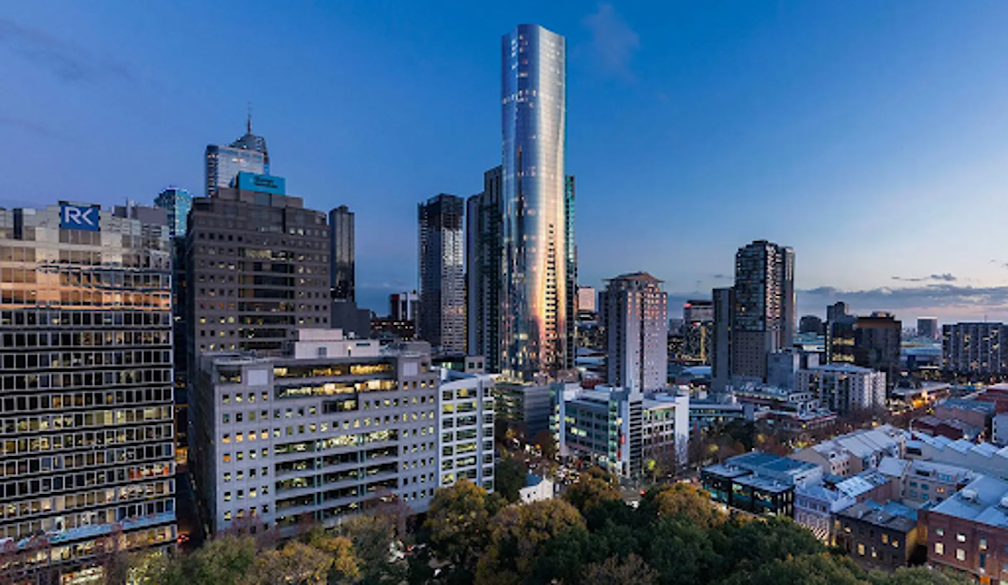 Image source: The Urban Developer
Property development is more than just building homes and offices. It is a major economic engine that fuels job creation, stimulates local businesses and strengthens the state’s financial position. As Victoria continues to grow, the property sector has become one of the most influential contributors to employment and Gross State Product (GSP), shaping communities and supporting prosperity across the region.
Property Development Creates Jobs in Victoria
The property industry is now Victoria’s largest employer, creating more than 331,000 jobs across a wide range of roles from construction and engineering to finance and property management. This sector accounts for approximately 12.8 per cent of Victoria’s total employment directly, and when flow-on effects are included, nearly 29.5 per cent of all jobs in the state are linked to property activity. These figures highlight the industry’s capacity to provide stable employment opportunities for both skilled trades and professional services.
Construction alone employs more than 267,600 people in Victoria, making it one of the biggest contributors to the labour market. With population growth and housing demand remaining strong, the pipeline of residential and commercial property development projects ensures ongoing work for builders, architects, engineers and suppliers. Apprenticeships have also surged, with nearly 57,000 new apprentices commencing training recently, reflecting the sector’s role in developing future skills.
Boosting Local Businesses and Communities
Property development does not operate in isolation. Mark Wei from PropertySensor said that each project creates a ripple effect that benefits local economies. “The redevelopment of Melbourne’s Docklands is a prime example, transforming the area into a vibrant hub for entertainment, commerce and residential living”, he said. “Which in turn boosted foot traffic and revenue for surrounding businesses.”
Small and medium-sized enterprises (SMEs) are particularly supported by property projects. Legal firms, financial advisors and design consultancies often form part of the supply chain, ensuring that economic benefits extend well beyond the building site. This interconnectedness strengthens community resilience and fosters sustainable growth.
Economic Impact of Property Development in Victoria
The property industry is a powerhouse for Victoria’s economy. In 2021–22, it contributed $58.1 billion directly to GSP and an additional $83.9 billion through flow-on activity, representing a combined impact of $142 billion. This makes property one of the most significant sectors in terms of economic output, surpassing industries such as manufacturing and mining.
Beyond GSP, the property sector generates substantial tax revenue for the Victorian Government, helping fund essential services and infrastructure. In previous years, property-related taxes accounted for more than half of the state’s total tax collection. These contributions are vital for maintaining public investment in transport, health and education, which further supports economic stability.
Future of Property Development in Victoria
Victoria’s economy is forecast to grow by 2.5 per cent in the year to June 2026, supported by infrastructure spending and a strong pipeline of non-residential property development projects. While challenges such as labour shortages and rising costs remain, the property sector’s resilience and adaptability position it as a key driver of recovery and long-term prosperity.
As demand for housing and commercial spaces continues, property development will remain central to job creation and economic growth in Victoria. It is not just about bricks and mortar; it is about building communities, supporting businesses and ensuring that the state thrives in an increasingly competitive national economy.