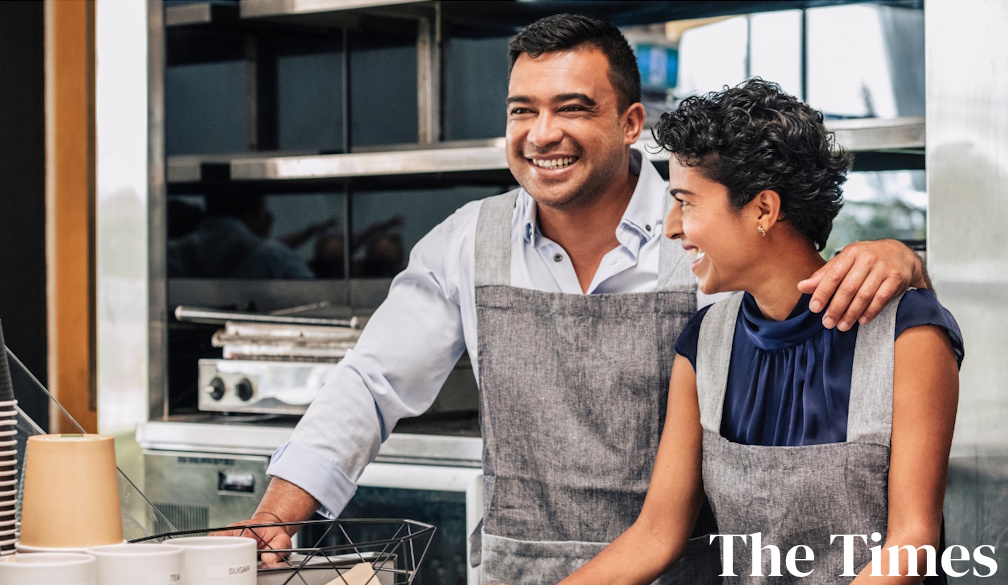
Free food and beer are common perks for hospitality workers – but are they masking unfairness?
- Written by: Olivier Oren, Associate lecturer, hospitality management, Griffith University
For cafe and restaurant workers, getting a free drink or meal at the end of a long shift might feel like a well-deserved reward. But could such perks – common across the industry – be masking deeper issues?
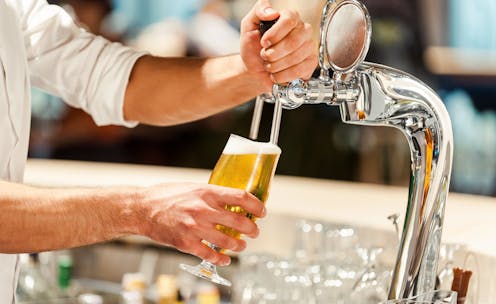
Informal workplace perks have long been a big part of Australian hospitality’s culture. It’s common[1] for restaurants and cafes to provide a free on-shift meal or heavily discounted menu items for their employees. In some bars and pubs, an end-of-shift alcoholic drink is a well-appreciated tradition[2].
Less well understood is the question of how these widespread perks are interacting with workers’ legal rights.
To investigate, we surveyed[3] 383 Australian hospitality workers. Participants worked across cafes, bars, and hotels (both in large franchises and small businesses) across Australia, with roles such as chefs, bartenders, guest experience attendants, waiting staff, managers and baristas.
We asked them about their employment contracts, their access to legal entitlements like breaks and overtime, and any extra perks they received. We also invited them to share, in their own words, what would make work fairer. The results paint a troubling picture.
Precarious work
More than one in three survey respondents (34%) said they had no written terms of employment, despite this being a legal requirement in Australia.
As one participant explained:
I have only received a written contract and legally required breaks from one employer in my entire career.
Nearly half reported missing out on their rest breaks, an entitlement designed to protect health and safety[4].
About 12% were being paid less than the minimum wage, and close to half said they did not receive overtime or penalty payments when required. Non-compliance with legal entitlements was widespread across the sector, although more pronounced in smaller venues.
‘Perks’ of the job
At the same time, informal perks remain deeply woven into hospitality work cultures.
Nearly one in two respondents (44.1%) said they received some kind of benefit in addition to their basic pay. The most common types were free or discounted meals (57%) and access to alcoholic drinks (28%).

Some workers described other benefits such as laundry services, transportation, or even Christmas gifts. These freebies were rarely formalised and often dependent on the goodwill of managers.
Such perks can blur the line between appreciation and obligation, which are offered as moral licenses to sidestep legal entitlements. We argue this widespread culture of perks is a distraction from unfair work practices, especially for younger workers who make up most of the hospitality and service workforce[6].
For inexperienced staff, these “gifts” may indeed feel like part of the job, making it harder to identify when legal rights are being overlooked.
What workers really want
When asked what would make their jobs fairer, respondents overwhelmingly called for written contracts, enforceable pay rates and protection from abuse – not more freebies.
As one chef put it:
Free steak dinners don’t pay my rent or stop my boss docking pay for smoke breaks.
Our data also show that workers with formal agreements were significantly more likely to receive their legal entitlements, including proper rest breaks and overtime pay, compared to those without.
Why does this matter? Because protecting rights is not just about fairness. It is about safeguarding the sustainability of an industry we all rely on.
Research[7] shows when businesses rely on unpaid labour or ignore basic entitlements, they undercut fair competition, contribute to worker burnout and drive talent out of the sector.
This affects service quality, workforce stability and ultimately the experiences of everyone who dines out, travels or enjoys Australia’s tourism offerings.

How we could fix it
Fixing the problem starts with clear, written employment contracts, especially in smaller venues where informal practices are most common. For workers and their families, this means refusing to accept a cold beer in place of job security.
For business owners, many of whom are not acting in bad faith, it means getting support to implement fair practices through accessible tools, templates and clear guidance, such as the Fair Work Ombudsman’s Pay and Conditions Tool[9] and employment contract templates[10] tailored to the industry.
For policymakers, it means strengthening oversight while improving education, ensuring that compliance is not just a box to tick, but a culture shift that makes fair, secure work the industry standard.
Let perks remain perks – and not distractions from rights.
References
- ^ common (espace.library.uq.edu.au)
- ^ well-appreciated tradition (hospodrinkingcultures.org.au)
- ^ surveyed (www.goodfellowpublishers.com)
- ^ protect health and safety (library.fairwork.gov.au)
- ^ Shmatenko Igor/Shutterstock (www.shutterstock.com)
- ^ hospitality and service workforce (www.jobsandskills.gov.au)
- ^ Research (www.emerald.com)
- ^ Drazen Zigic/Shutterstock (www.shutterstock.com)
- ^ Fair Work Ombudsman’s Pay and Conditions Tool (www.fairwork.gov.au)
- ^ employment contract templates (www.fairwork.gov.au)
Authors: Olivier Oren, Associate lecturer, hospitality management, Griffith University