the legal risk of asking staff to work in smokey air
- Written by: Elizabeth Shi, Lecturer, Graduate School of Business and Law, RMIT University
Amid thick bushfire smoke in cities including Canberra and Melbourne, employers need to consider their legal obligations.
Some have directed their workers not to turn up in order to avoid to occupational health and safety risks. Among them is the Commonwealth department of home affairs[1] which last week asked most of its staff to stay away from its Canberra headquarters for 48 hours.
Other employers want to know where they stand.
 Each state and territory has its own occupational health and safety laws.However most line up with the so-called Model Act, a federal act of parliament intended to harmonise state laws.
Under section 17 it imposes on employers a duty to, so far as is reasonably practicable[2], ensure health and safety by eliminating or minimising risks.
This employer’s duty applies not only to its employees, but also to other types of workers including independent contractors.
Meaning of ‘reasonably practical"
Under the section 18 of the Model Act, “reasonably practicable” means[3]
that which is, or was at a particular time, reasonably able to be done in relation to ensuring health and safety, taking into account and weighing up all relevant matters
By themselves, these words aren’t much of a guide, so the Act includes examples of “relevant matters”, among them:
the likelihood of a hazard or risk occurring
the degree of harm that might result
what the employer knows or ought reasonably know about the hazard or risk, and ways of eliminating or minimising hazard or risk
the availability and suitability of ways to eliminate or reduce hazard or risk
the cost associated with available ways of eliminating or minimising the risk, including whether the cost is grossly disproportionate to the risk
Meaning of 'likelihood’
Employers should make themselves aware of the risk of an air quality hazard.This can be achieved by checking the most up to date air quality index in the location on an environment protection authority website:
NSW[4]
Victoria[5]
Queensland[6]
South Australia[7]
Western Australia[8]
Tasmania[9]
Northern Territory[10]
Australian Capital Territory[11]
Workers who work outdoors are more likely to be subject to harmful effects of bushfire smoke than indoor workers.
They are more likely to experience irritation to their airways, nose and eyes.
They might also experience low visibility which might make their work more dangerous.
The machines they operate could also be impacted by the smoke and dust in a way which would make operating them more dangerous.
Special measures should be taken to protect workers who work outdoors, such as providing them with face masks or rescheduling their work.
Smoke emissions from the Australian bushfires from 1 December 2019 to 4 January 2020.Meaning of ‘degree of harm’
Each state and territory has its own occupational health and safety laws.However most line up with the so-called Model Act, a federal act of parliament intended to harmonise state laws.
Under section 17 it imposes on employers a duty to, so far as is reasonably practicable[2], ensure health and safety by eliminating or minimising risks.
This employer’s duty applies not only to its employees, but also to other types of workers including independent contractors.
Meaning of ‘reasonably practical"
Under the section 18 of the Model Act, “reasonably practicable” means[3]
that which is, or was at a particular time, reasonably able to be done in relation to ensuring health and safety, taking into account and weighing up all relevant matters
By themselves, these words aren’t much of a guide, so the Act includes examples of “relevant matters”, among them:
the likelihood of a hazard or risk occurring
the degree of harm that might result
what the employer knows or ought reasonably know about the hazard or risk, and ways of eliminating or minimising hazard or risk
the availability and suitability of ways to eliminate or reduce hazard or risk
the cost associated with available ways of eliminating or minimising the risk, including whether the cost is grossly disproportionate to the risk
Meaning of 'likelihood’
Employers should make themselves aware of the risk of an air quality hazard.This can be achieved by checking the most up to date air quality index in the location on an environment protection authority website:
NSW[4]
Victoria[5]
Queensland[6]
South Australia[7]
Western Australia[8]
Tasmania[9]
Northern Territory[10]
Australian Capital Territory[11]
Workers who work outdoors are more likely to be subject to harmful effects of bushfire smoke than indoor workers.
They are more likely to experience irritation to their airways, nose and eyes.
They might also experience low visibility which might make their work more dangerous.
The machines they operate could also be impacted by the smoke and dust in a way which would make operating them more dangerous.
Special measures should be taken to protect workers who work outdoors, such as providing them with face masks or rescheduling their work.
Smoke emissions from the Australian bushfires from 1 December 2019 to 4 January 2020.Meaning of ‘degree of harm’
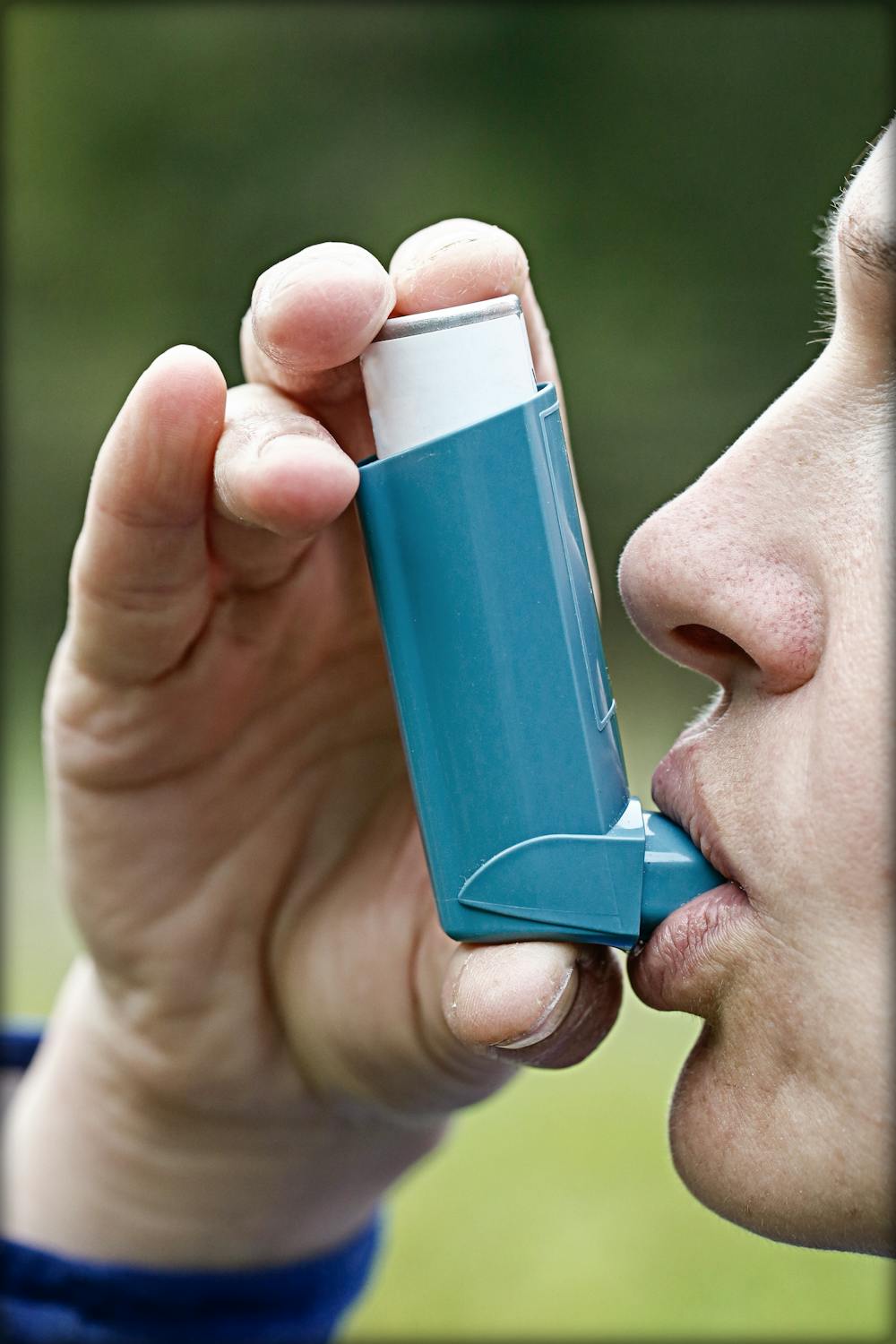 Asthma suffers might be at greater risk.
It is certainly arguable the likelihood of harm for indoor workers is much lower, especially if the air quality in their workplace is the same or even better than the air quality in their homes.
Employers should have up-to-date information about the health of their workers, especially those workers who have pre-existing conditions that might predispose them to harm from smoke.
Among these would be workers who have asthma or other respiratory disorders.
Special steps should be taken to protect them, taking into account their pre-existing conditions.
Meaning of ‘reasonably ought to know’
Employers should be checking up-to-date information on an environment protection authority website and on the website of Safe Work Australia[12] which is the Commonwealth regulator for occupational health and safety laws.
It’s very likely law enforcers will presume the information on these websites constitute information the employer ought to have known in determining the appropriate action to take.
For example, it would be difficult for an employer to argue they didn’t know P2 rated face masks should be provided to workers when the Safe Work Australia website specifically mentions them[13] as an appropriate way of eliminating or reducing air quality hazards.
Meaning of ‘availability of ways to reduce risk’
Safe Work Australia directs employers to have in place measures[14] to manage the risks to health and safety of working outdoors when air quality is reduced, including:
working indoors (where possible)
rescheduling outdoor work until conditions improve
ensuring buildings and equipment are functioning correctly and have not been affected by dust or debris
cleaning dust and debris off outdoor surfaces
providing personal protective equipment such as eye protection and correctly fitted P2-rated face masks.
Meaning of ‘cost of minimising hazard’
The cost of elimination or minimising hazard will be higher for some measures than others.
For example, it might cost more to direct workers to stay home than to provide face masks.
Read more:
Our buildings aren't made to keep out bushfire smoke. Here's what you can do[15]
These costs need to be weighed up against the likelihood and degree of potential harm.
If the likelihood and degree of harm is high, it’s unlikely law enforcers will be particularly sympathetic to arguments about cost.
Asthma suffers might be at greater risk.
It is certainly arguable the likelihood of harm for indoor workers is much lower, especially if the air quality in their workplace is the same or even better than the air quality in their homes.
Employers should have up-to-date information about the health of their workers, especially those workers who have pre-existing conditions that might predispose them to harm from smoke.
Among these would be workers who have asthma or other respiratory disorders.
Special steps should be taken to protect them, taking into account their pre-existing conditions.
Meaning of ‘reasonably ought to know’
Employers should be checking up-to-date information on an environment protection authority website and on the website of Safe Work Australia[12] which is the Commonwealth regulator for occupational health and safety laws.
It’s very likely law enforcers will presume the information on these websites constitute information the employer ought to have known in determining the appropriate action to take.
For example, it would be difficult for an employer to argue they didn’t know P2 rated face masks should be provided to workers when the Safe Work Australia website specifically mentions them[13] as an appropriate way of eliminating or reducing air quality hazards.
Meaning of ‘availability of ways to reduce risk’
Safe Work Australia directs employers to have in place measures[14] to manage the risks to health and safety of working outdoors when air quality is reduced, including:
working indoors (where possible)
rescheduling outdoor work until conditions improve
ensuring buildings and equipment are functioning correctly and have not been affected by dust or debris
cleaning dust and debris off outdoor surfaces
providing personal protective equipment such as eye protection and correctly fitted P2-rated face masks.
Meaning of ‘cost of minimising hazard’
The cost of elimination or minimising hazard will be higher for some measures than others.
For example, it might cost more to direct workers to stay home than to provide face masks.
Read more:
Our buildings aren't made to keep out bushfire smoke. Here's what you can do[15]
These costs need to be weighed up against the likelihood and degree of potential harm.
If the likelihood and degree of harm is high, it’s unlikely law enforcers will be particularly sympathetic to arguments about cost.
References
- ^ department of home affairs (www.abc.net.au)
- ^ reasonably practicable (classic.austlii.edu.au)
- ^ means (classic.austlii.edu.au)
- ^ NSW (www.epa.nsw.gov.au)
- ^ Victoria (www.epa.vic.gov.au)
- ^ Queensland (apps.des.qld.gov.au)
- ^ South Australia (www.epa.sa.gov.au)
- ^ Western Australia (www.der.wa.gov.au)
- ^ Tasmania (epa.tas.gov.au)
- ^ Northern Territory (ntepa.webhop.net)
- ^ Australian Capital Territory (www.health.act.gov.au)
- ^ Safe Work Australia (www.safeworkaustralia.gov.au)
- ^ specifically mentions them (www.safeworkaustralia.gov.au)
- ^ measures (www.safeworkaustralia.gov.au)
- ^ Our buildings aren't made to keep out bushfire smoke. Here's what you can do (theconversation.com)
Authors: Elizabeth Shi, Lecturer, Graduate School of Business and Law, RMIT University