Pros and Cons of Biodegradable Straws: What You Need to Know
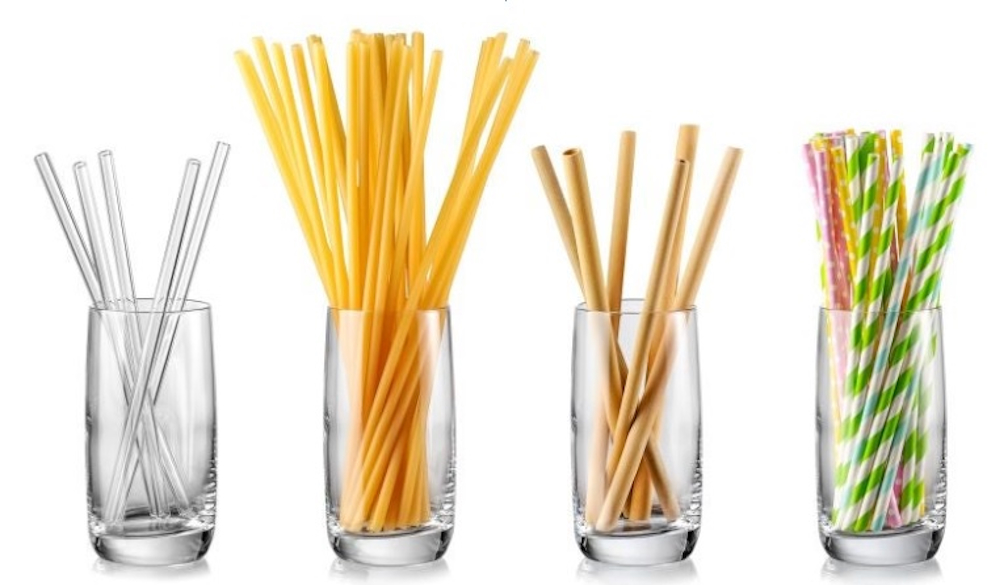
Plastic straws are a significant source of pollution. They are often discarded after a single use, and they can take hundreds of years to break down in the environment. Recently, a movement has been growing to ban plastic straws and switch to more sustainable alternatives. Biodegradable straws are one option, but they have both pros and cons.
This article will discuss the pros and cons of biodegradable straws and help you decide whether or not they are the right choice for you.
Pros of Biodegradable Straws
More environmentally friendly: Biodegradable straws will break down in the environment over time, while plastic straws can take hundreds of years to decompose. This means that biodegradable straws are a more sustainable option and will not contribute to the growing problem of plastic pollution.More sustainable: Biodegradable straws are made from renewable resources, such as cornstarch, bamboo, and sugarcane. This means that they are not made from fossil fuels, which are a finite resource.
Healthier: Biodegradable straws are free of harmful chemicals, such as BPA and other toxins. This means they are a healthier option for people concerned about their health.
Cons of Biodegradable Straws
More expensive: Biodegradable straws are often more expensive than plastic straws. This is because they are made from more sustainable materials and are not as widely produced.
Not as durable: Biodegradable straws are less stable than plastic straws and can dissolve more quickly in liquid. This means they may not be suitable for beverages like smoothies or milkshakes.
Not as widely available: Biodegradable straws are not as widely available as plastic straws. You may have to go to a specialty store to find them.
In addition to the pros and cons listed above, there are a few other things to consider when choosing biodegradable straws.
Composting: Some biodegradable straws are compostable, while others are not. Compostable straws will break down in a compost bin, while non-compostable straws will not. If you are concerned about the environment, it is crucial to choose compostable straws.Durability: The durability of a biodegradable straw is also essential to consider. Some biodegradable straws are more durable than others and will last longer in your drinks. If you are concerned about durability, you may choose straws made from thicker materials.
Cost: Biodegradable straws are often more expensive than plastic straws. This is because they are made from more sustainable materials and are not as widely produced. However, the cost difference may be worth it if you are concerned about the environment.
Taste: Some biodegradable drinking straws have a slight taste that some people may find unpleasant. If you are sensitive to taste, choose straws that are made from materials that are less likely to have a taste.
Texture: The texture of a biodegradable straw can also be a factor. Some biodegradable straws are smooth, while others have a more textured feel. If you prefer one surface over another, choose straws made from a specific material.
Availability: The availability of biodegradable straws can also be a factor. Not all stores carry biodegradable straws, so you may have to shop to find them.
Conclusion
Biodegradable straws offer several benefits over plastic straws, but they also have some drawbacks. Ultimately, the decision of whether or not to use biodegradable straws is a personal one.
If you are considering using biodegradable straws, research the pros and cons. There are various biodegradable straws, so you can find one that meets your needs.