The Ways Major Brands Are Tidying Up Their Supply Chains
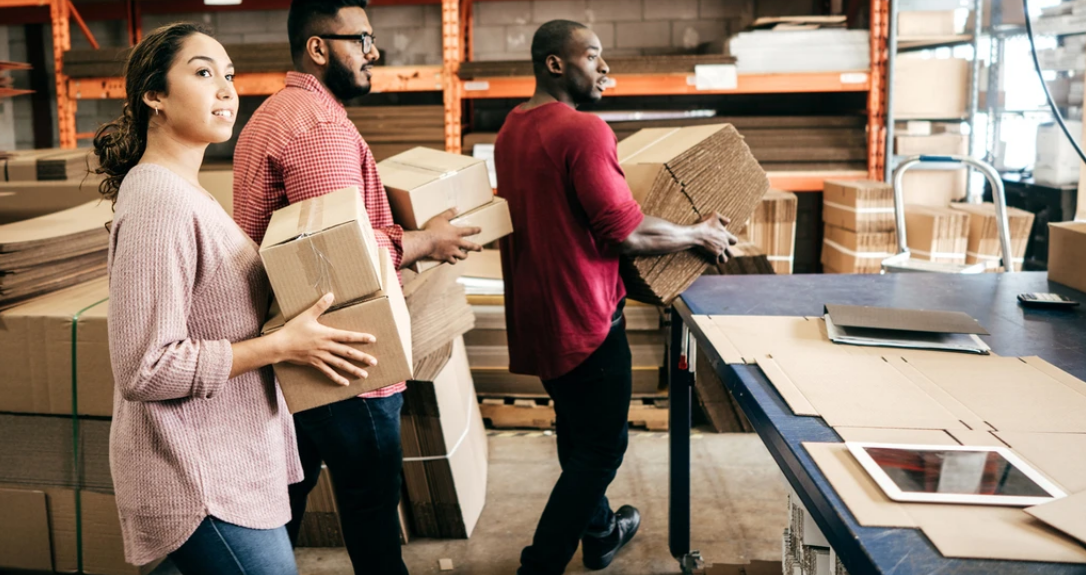
We’ve heard more about supply chains in the past two years than most of us had heard in the preceding two decades. That’s because the disruption wrought by the pandemic has made supply chains make global headlines, and has precipitated huge shortages in certain key materials and goods. But alongside these crises are quiet, forceful efforts made by brands and businesses to clean up their supply chains – to essentially stop them polluting the world and to take back control of long-distance shipping, which is under threat at present. Here’s how they’re doing it.
Closer Options
One of the simplest ways firms are changing how they use supply chains is to search for alternatives that are closer to home. This might mean finding smaller firms that have spotted a gap in the market and are quickly ramping up production of a certain commodity, or asking an existing client to make their parts closer to your shores. Eliminating shipping, a major polluter, can help firms have far greener supply chains.
Audits
As well as cutting short the journeys goods take from start to completion, firms are also interrogating every single point of their supply chain to see if their clients and partners are themselves cleaning up their acts. If they’re not, businesses are often asking them to do so – with the price of inaction that they’ll lose that business as the firm attempts to make its supply chain align with its own values.
Machinery
Then there’s the machinery that firms are using in order to make supply chains better at recycling goods, protecting stock, and getting products seamlessly from A to B. In this sense, there are baling machines that help firms recycle better, tying up bundles of cardboard or plastic in thin wire purchased from balingwiredirect.com. There are machines that help package products quickly and sustainably. And the use of machines across the board reduces human error, which tends to break goods, creating more waste.
Sustainable Production
With the world pushing hard in the direction of sustainability, hundreds of firms are looking to their supply chains to check whether the materials they use, and the sources they draw them from, are operating sustainably. Often, this means asking farmers, foresters and other raw materials firms to look at their processes and make changes that’ll ensure more trees are planted, or crops grown, than are ripped up from the soil.
Energy
Global warming is fueled by the production of greenhouse gases. And these gases are often released by businesses, which may be able to turn to alternate sources of energy to power their firms. There are all kinds of sources of renewable power – from wind and sun to geothermal and hydroelectric. If firms are investing in these energy sources, and in businesses that build and produce them, they’ll be cleaning up their supply chains and ensuring that every node of their chains are using energy responsibly – if not producing it themselves.