Understanding the Role of a Commercial Electrician
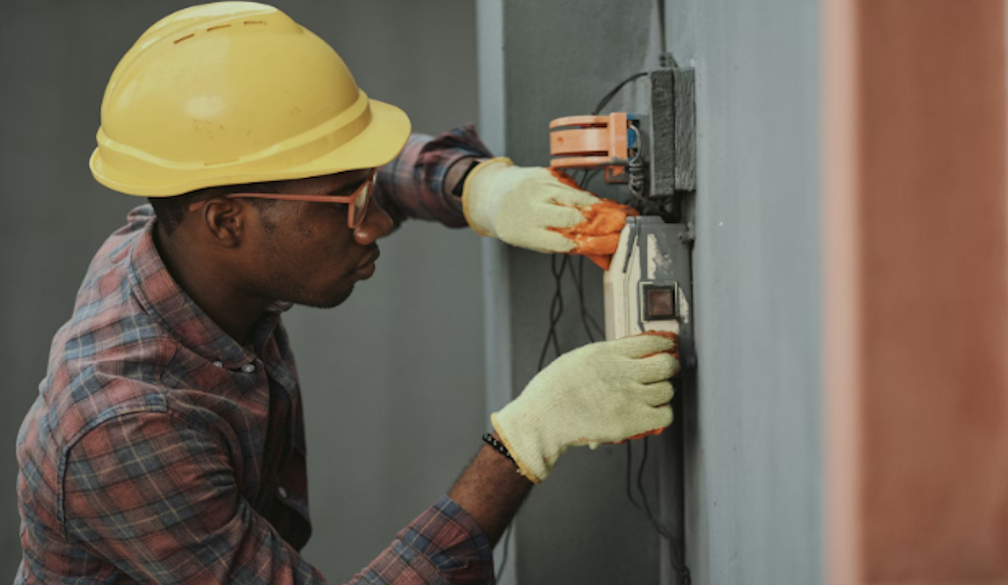
A commercial electrician plays a central part in keeping modern businesses operating smoothly. From office buildings and retail spaces to warehouses, schools, and healthcare facilities, every commercial property relies on safe and dependable electrical systems. Most businesses seek a commercial electrician Central Coast to ensure their electrical infrastructure is properly installed, maintained, and compliant with safety standards. These systems support lighting, communications, security, machinery, and day-to-day operations. Without proper electrical planning and upkeep, even a small issue can interrupt workflow, affect staff productivity, and create serious safety risks.
The work of a commercial electrician extends far beyond basic wiring. Their responsibilities cover system design, installation, maintenance, repairs, upgrades, and regulatory compliance. Their knowledge helps businesses maintain reliable power, reduce risks, and adapt to changing operational needs.
Electrical Systems Built for Commercial Use
Commercial buildings require electrical systems that are far more complex than those found in residential properties. Offices may need extensive lighting networks, server connections, backup power supplies, and dedicated circuits for equipment. Retail spaces often rely on lighting displays, payment systems, and climate control units. Industrial premises may use heavy machinery that demands higher electrical loads.
A commercial electrician assesses the needs of the building and develops systems that support its intended use. This process includes selecting suitable wiring, switchboards, outlets, lighting layouts, and protective devices. Every element must work together in a way that supports efficiency and long-term reliability.
Safety Standards and Compliance
Safety remains one of the most significant parts of commercial electrical work. Electrical faults can lead to fire, equipment damage, injury, or loss of business operations. For this reason, commercial electricians work in line with strict national and local regulations.
Their role includes installing systems that meet recognised codes, testing circuits, checking load capacity, and verifying that protective measures are in place. This includes circuit breakers, grounding systems, surge protection, and emergency lighting.
Regular compliance checks are equally important. Buildings often undergo inspections to confirm that electrical systems remain within legal standards. A qualified electrician helps businesses meet these obligations and reduce exposure to legal or insurance issues.
Planning and System Design
Before any installation begins, careful planning takes place. Commercial electricians often work alongside architects, builders, engineers, and project managers during the early stages of construction or renovation.
This planning stage involves reviewing building plans, identifying power requirements, and calculating expected electrical demand. Load calculations help determine how much electricity the property will use across all systems, from lighting and computers to heating and specialised equipment.
Good design supports future growth as well. A business may expand its operations, install new equipment, or reconfigure office layouts. A well-planned electrical system allows room for these changes without major structural disruption.
Installation and Project Execution
Once the design phase is complete, the electrician moves into installation. This stage requires precision, technical knowledge, and close coordination with other trades on site.
Tasks may include laying cable pathways, fitting distribution boards, installing lighting systems, power points, communication lines, and dedicated equipment circuits. In commercial settings, these systems often span large floor areas and multiple levels, making organisation and accuracy especially important.
The quality of installation has a direct effect on system performance. Poor workmanship can lead to recurring faults, wasted energy, and expensive repairs later. Skilled commercial electricians help prevent these issues through careful execution.
Maintenance and Fault Diagnosis
Electrical systems require routine servicing to remain reliable. Over time, wear, environmental factors, and increased usage can place strain on wiring and components.
Commercial electricians carry out scheduled inspections, test system performance, and replace ageing parts before faults develop into larger issues. This proactive approach helps businesses avoid unexpected shutdowns.
Fault diagnosis is another major responsibility. When power loss, flickering lights, overloaded circuits, or equipment failures occur, the electrician identifies the source of the problem and restores service. This work calls for strong technical knowledge and practical problem-solving skills.
Energy Efficiency and Cost Management
Businesses are placing greater focus on reducing energy use and controlling operating costs. Commercial electricians support this objective by recommending efficient electrical solutions.
This may involve upgrading traditional lighting to LED systems, installing occupancy sensors, improving control panels, or introducing timed automation for lighting and climate systems. Such improvements can lower electricity bills and reduce unnecessary power consumption.
Energy-efficient upgrades often bring long-term financial benefits. Reduced consumption, lower maintenance needs, and improved equipment lifespan can all contribute to better cost management for the business.
Smart Technology Integration
Modern commercial properties increasingly rely on smart technology. Automated lighting, digital security systems, access control, remote monitoring, and intelligent energy management systems are now common in many workplaces.
Commercial electricians are often responsible for integrating these systems into the building’s electrical framework. Their work supports smoother control over lighting schedules, temperature settings, surveillance systems, and power usage.
This level of automation gives businesses greater control over their environment and can improve convenience, security, and efficiency.
Emergency Response and Business Continuity
Unexpected electrical failures can disrupt operations without warning. A loss of power in a commercial setting may halt production, interrupt customer service, or affect data systems.
Commercial electricians provide emergency response services to restore safe operation as quickly as possible. Fast diagnosis and repair work help limit downtime and reduce financial loss.
For many businesses, especially those operating outside standard hours, access to emergency electrical support is a key part of maintaining continuity.
Professional Development and Industry Change
The commercial electrical field continues to evolve with new technologies, updated regulations, and changing building standards. Electricians regularly take part in ongoing training to keep their skills current.
This professional development covers safety procedures, digital design software, energy management systems, and emerging technologies. Continuous learning helps them deliver work that meets modern expectations.
Working with Other Trades
Commercial projects depend on coordination across multiple professions. Electricians frequently work with builders, plumbers, HVAC specialists, data technicians, and facility managers.
Strong communication and collaboration help prevent delays and support smooth project delivery. A well-integrated electrical system must align with the wider structure and function of the building.
Conclusion
The role of a commercial electrician is both technical and highly practical. Their work supports safety, efficiency, compliance, and business continuity across a wide range of industries. From initial planning through long-term maintenance, they help create environments where businesses can operate with confidence.
As commercial spaces continue to adopt smarter and more efficient technologies, the value of skilled electrical professionals remains steadily strong. Their contribution is not limited to wiring alone; it extends to the dependable foundation that keeps every modern workplace running.


 Business Daily Media