Thin Wall Machining: Practical Tips for Precision Success
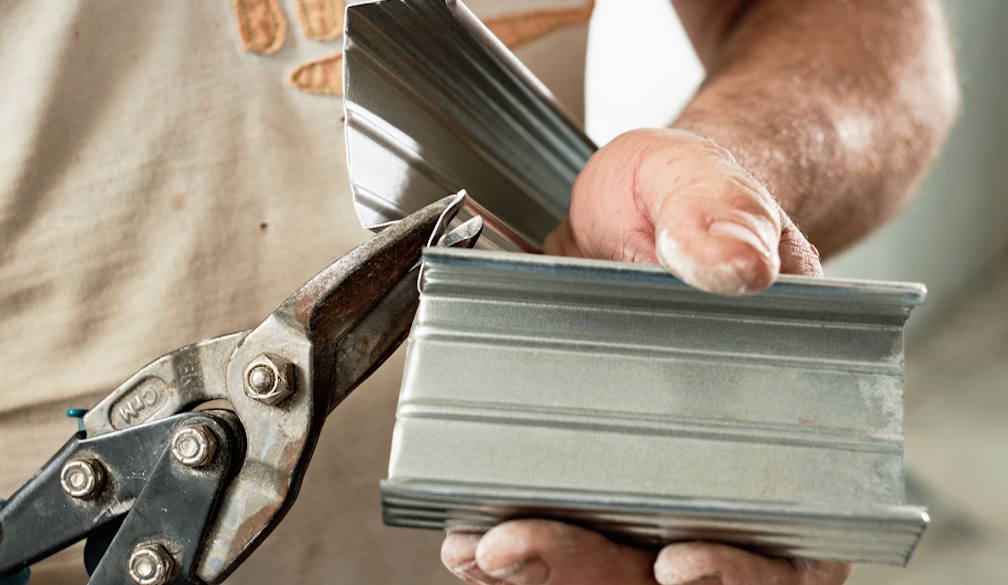
If you’ve ever watched a perfectly machined part warp the moment it’s unclamped, you already know that thin wall machining is a whole different game. It’s not just about cutting material. It’s about control, patience, and understanding how metal behaves when you push it to its limits.
I’ve worked with machinists who treat thin walls like glass. One wrong move, and the entire part is scrap. Others approach it like a puzzle, tweaking feeds, speeds, and setups until everything just clicks. That’s the beauty of this craft. It’s technical, yes, but it’s also deeply intuitive.
In this guide, we’re going to break down thin wall machining in a way that actually makes sense in the real world. No fluff, no robotic explanations. Just practical insight you can use.
What Is Thin Wall Machining and Why It Matters
Defining Thin Walls in Machining
At its core, thin wall machining refers to the process of machining parts where the wall thickness is relatively small compared to its height or length. In most shops, anything under 1 mm starts raising eyebrows, but the exact definition depends on the material and application.
What makes thin wall machining tricky isn’t just the thickness. It’s the lack of rigidity. Thin walls flex, vibrate, and sometimes behave unpredictably under cutting forces.
Why Industries Rely on Thin Walls
You’ll see thin wall machining everywhere once you start looking for it. Aerospace components, medical devices, consumer electronics housings, even automotive parts.
Why? Because thinner walls mean lighter parts, and lighter parts mean better performance, lower costs, and improved efficiency.
Think about it. In aerospace, shaving off even a few grams can translate to massive fuel savings over time.
The Cost of Getting It Wrong
Here’s the harsh truth. Mistakes in thin wall machining aren’t cheap.
A small deflection can ruin tolerances. Excess heat can distort geometry. And once a thin wall bends out of spec, there’s usually no fixing it.
That’s why mastering thin wall machining isn’t optional if you’re working with precision components. It’s essential.
Key Challenges in Thin Wall Machining
Deflection and Loss of Dimensional Accuracy
One of the most persistent issues in thin wall machining is deflection. As the cutting tool engages the material, the wall can flex away from the toolpath instead of resisting it. This leads to parts that look fine at first glance but fail dimensional inspection under tighter tolerances. The thinner and taller the wall, the more pronounced this effect becomes. In real shop conditions, even a small mismatch between programmed and actual geometry can mean scrapping the part. Managing this requires not just careful tool selection, but also a deep understanding of how cutting forces interact with part geometry.
Vibration and Chatter Instability
Vibration is another major challenge that directly impacts surface finish and tool life. Thin sections lack the rigidity needed to absorb cutting forces, which makes them highly susceptible to chatter. Once vibration starts, it tends to amplify quickly, leaving visible marks and sometimes causing tool damage. In thin wall machining, chatter is not just a cosmetic issue. It can compromise structural integrity, especially in functional components. Machinists often rely on sound, feel, and experience to detect early signs of instability before it escalates.
Heat Concentration and Thermal Distortion
Heat management becomes more difficult as wall thickness decreases. Thin materials cannot dissipate heat effectively, so temperatures rise quickly in localized areas. This leads to thermal expansion during machining and contraction afterward, which can shift dimensions outside tolerance. In precision-driven applications, even minor thermal distortion can cause assembly issues downstream. Controlling heat through optimized cutting parameters and efficient chip evacuation is essential in thin wall machining.
Workholding-Induced Deformation
Clamping a thin-walled part is a delicate balancing act. Too little force, and the part moves during machining. Too much, and the wall deforms before the first cut is made. This challenge is often underestimated, especially by less experienced operators. In many cases, deformation caused by improper workholding is mistaken for machining error. Effective fixturing strategies are critical to maintaining part stability without introducing stress.
Tool Pressure and Material Behavior
Every material responds differently under cutting pressure, and this becomes more noticeable in thin wall machining. Softer materials may bend or smear, while harder materials resist cutting but generate higher forces. The result is a narrow process window where parameters must be carefully tuned. Success often comes down to reducing tool pressure while maintaining consistent material removal, which requires both technical knowledge and hands-on experience.
Materials and Their Impact on Thin Wall Machining
Aluminum: Lightweight but Tricky
Aluminum is one of the most common materials for thin wall machining. It’s lightweight, easy to cut, and widely used.
But here’s the catch. It’s also prone to deflection and can gum up tools if parameters aren’t dialed in.
If you’re working with aluminum, you might find this detailed resource on thin wall machining helpful for understanding minimum wall thickness and best practices.
Stainless Steel: Strong but Unforgiving
Stainless steel offers strength, but it’s less forgiving. It generates more heat and requires careful control of cutting conditions.
In thin wall machining, that combination can be challenging.
Plastics and Composites
These materials behave differently. They may not generate as much heat, but they can deform easily under pressure.
That means you need a completely different approach compared to metals.
Tooling Strategies for Thin Wall Machining
Choosing the Right Tool Geometry
Tool selection isn’t just about diameter. Geometry plays a huge role.
Sharp cutting edges reduce cutting forces. High helix angles help evacuate chips and minimize heat.
In thin wall machining, even small improvements in tool geometry can make a noticeable difference.
Minimizing Tool Deflection
Long tools are sometimes unavoidable, but they increase the risk of deflection.
Whenever possible, use the shortest tool that can do the job. It’s a simple rule, but it works.
Coatings and Tool Materials
Coated tools can help manage heat and extend tool life.
But don’t overthink it. The biggest gains in thin wall machining usually come from setup and strategy, not exotic coatings.
Workholding Techniques That Actually Work
Supporting the Part
One of the most effective ways to improve thin wall machining is to support the workpiece properly.
Custom fixtures, soft jaws, and even sacrificial materials can help stabilize thin sections.
Vacuum Fixtures and Adhesives
For ultra-thin parts, traditional clamping might not be enough.
Vacuum fixtures or adhesive bonding can hold parts securely without introducing excessive force.
Machining in Stages
Sometimes the best approach is to leave extra material for support and remove it later.
This staged strategy reduces deflection and improves overall accuracy.
Cutting Parameters for Better Results
Light Cuts and High Speeds
In thin wall machining, lighter cuts are usually better.
High spindle speeds combined with low radial engagement can reduce cutting forces and improve surface finish.
Step-Down and Step-Over Optimization
Large step-downs might save time, but they increase risk.
Smaller, controlled passes help maintain stability.
Balancing Feed Rate and Stability
It’s a balancing act. Too slow, and you risk rubbing and heat build-up. Too fast, and you increase deflection.
Experience plays a big role here.
Toolpath Strategies for Thin Wall Machining
Climb Milling vs Conventional Milling
Climb milling is generally preferred for thin wall machining because it reduces cutting forces and improves surface finish.
But there are exceptions. Always test and adjust.
Adaptive Toolpaths
Modern CAM software offers adaptive strategies that maintain consistent tool engagement.
These are especially useful in thin wall machining because they help control cutting forces.
Avoiding Full-Width Cuts
Full-width cuts are risky when dealing with thin walls.
Instead, use strategies that minimize tool engagement and distribute forces more evenly.
Inspection and Quality Control
Measuring Thin Walls
Measuring thin walls can be tricky. Traditional methods may introduce deformation.
Non-contact measurement tools can be a better option.
Monitoring During Machining
Real-time monitoring helps catch issues early.
Vibration sensors and spindle load monitoring can provide valuable insights.
Post-Machining Validation
Always verify dimensions after the part has stabilized.
Thermal effects can cause slight changes once the part cools.
Real-World Tips from the Shop Floor
Listen to the Machine
Experienced machinists often say the machine “talks” to you.
In thin wall machining, that’s especially true. Changes in sound can indicate chatter or instability.
Don’t Rush the Process
Speed is important, but rushing leads to mistakes.
Take the time to dial in your setup.
Learn from Each Job
Every material, geometry, and setup is different.
Treat each thin wall machining project as a learning opportunity.
Common Mistakes to Avoid
Over-Clamping the Part
Too much clamping force can distort thin walls before you even start cutting.
Ignoring Tool Wear
Worn tools increase cutting forces and reduce accuracy.
In thin wall machining, that can quickly lead to problems.
Skipping Simulation
Simulation helps identify potential issues before they happen.
It’s not foolproof, but it’s a valuable tool.
Final Thoughts on Thin Wall Machining
Thin wall machining isn’t something you master overnight. It takes time, experimentation, and a willingness to learn from mistakes.
But once you get the hang of it, it’s incredibly rewarding. There’s something satisfying about producing a delicate, precise component that holds up under real-world conditions.
If you remember one thing, let it be this. Control is everything. Control your setup, your tools, your parameters, and your expectations.
Do that, and thin wall machining becomes less of a challenge and more of an opportunity to showcase real craftsmanship.


 Business Daily Media