Scaling Logistics Without Expanding Infrastructure: A Strategic Approach
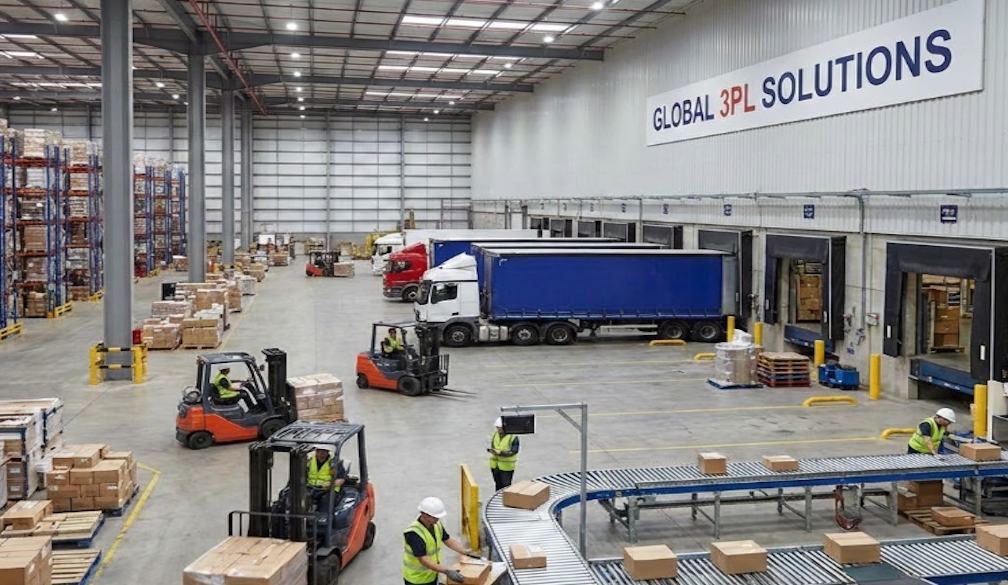
A common hurdle for growing businesses is the physical limitation of their own four walls. When sales volumes surge, the existing warehouse space, staff, and technology often reach a breaking point. Traditionally, the solution was to sign a new lease or build a larger facility. However, in an volatile market, committing to long-term physical infrastructure is a high-risk strategy that can lock up vital capital.
The modern alternative is to scale through coordination rather than construction. By leveraging 3PL logistics services and 4PL partnerships, businesses can expand their operational capacity without adding a single square metre to their own footprint.
The Transition from Asset-Heavy to Asset-Light
Scaling without infrastructure requires a shift in mindset from owning assets to managing relationships. In an asset-light model, the business focuses on product development and marketing while the logistics "heavy lifting" is handled by external experts.
This approach offers several immediate benefits:
- Elastic Capacity: You only pay for the warehouse space and labour you use. During peak seasons, your capacity expands instantly; during quiet periods, your costs drop accordingly.
- Geographical Reach: Instead of shipping everything from one central hub, you can utilise a network of 3PL providers across the country. This puts your inventory closer to your customers, reducing shipping times and costs.
- Technology Access: Scaling requires sophisticated Warehouse Management Systems (WMS). Partnering with a logistics provider gives you access to enterprise-grade tech without the upfront software investment.
Understanding the 4PL Advantage
While a 3PL handles the physical execution (picking, packing, and shipping), a Fourth-Party Logistics (4PL) provider acts as an integrator. They do not necessarily own the trucks or the sheds. Instead, they manage the entire supply chain, including multiple 3PLs, freight carriers, and technology platforms.
For a business looking to scale, a 4PL acts as a single point of accountability. They oversee:
- Carrier Selection: Finding the best freight options for every route and shipment type.
- Inventory Optimisation: Monitoring stock levels across multiple locations to prevent overstocking or stockouts.
- Performance Data: Providing a consolidated view of the entire supply chain, identifying bottlenecks before they impact the customer.
The Role of Process over Property
Infrastructure is more than just a building; it is the systems and processes that keep goods moving. When scaling, the "mental" infrastructure of the business is often what fails first.
Specialised 3PL logistics services bring pre-optimised processes to the table. This includes standard operating procedures for returns management (reverse logistics), kitting, and specialised packaging. By adopting these existing frameworks, a business can skip the "trial and error" phase of scaling and move straight into high-volume efficiency.
Reducing the Administrative Burden
A significant hidden cost of expansion is the increase in administrative work. Managing more orders means more invoices, more tracking queries, and more staff to manage. Outsourcing the management of these tasks allows a business to keep its internal headcount lean.
With a 4PL solution, the administrative "noise" is filtered. You receive consolidated reporting and a single invoice, even if ten different carriers and three different warehouses were involved in the month's operations. This clarity allows the leadership team to focus on strategic growth rather than getting bogged down in the minutiae of daily shipping.
Future-Proofing Your Growth
The most successful companies today are those that can pivot quickly. If a new market opportunity arises in a different state or country, an asset-light business can be operational in that region in a matter of weeks, not years.
By choosing to scale through 3PL logistics services and 4PL management, you are not just saving on rent; you are buying agility. This strategic approach ensures that your logistics capabilities are always one step ahead of your sales targets, providing a stable foundation for a truly limitless business.


 Business Daily Media