How People Structure Multiple Everyday Accounts for Better Money Management
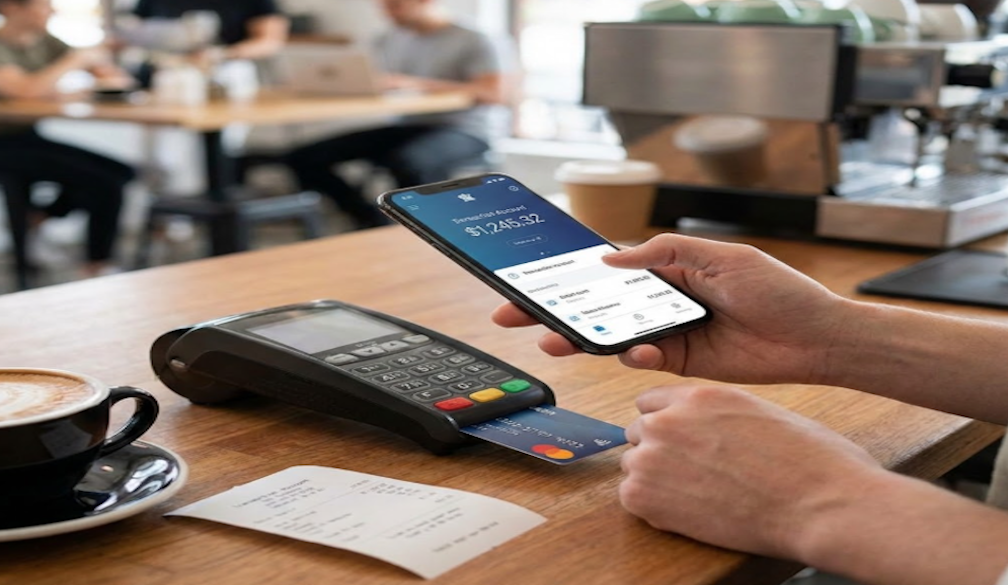
Organising personal finances has moved away from the traditional "single bucket" approach. Relying on one account for all income, bills, and daily spending often makes it difficult to track where money is going. Instead, many Australians now use a multi-account structure to create clear boundaries between different types of expenses.
By separating funds at the point of entry, you can gain a more accurate view of your financial health and avoid the stress of accidental overspending.
The "Bucket" System for Modern Banking
The most effective way to manage a household budget is to categorise spending into distinct streams. This is often achieved by using several accounts, each with a specific purpose.
- The Income Hub: This is the central account where your salary is deposited. From here, funds are automatically distributed to other "buckets."
- Fixed Expenses: A dedicated account for recurring bills like rent, mortgage payments, utilities, and insurance. Keeping this separate ensures the money for your most important obligations is never touched by daily spending.
- Daily Spending: This is where you keep your "allowance" for groceries, fuel, and entertainment. Many people prefer to use a dedicated online transaction account for this purpose because it allows for real-time tracking via mobile apps.
Why an Online Transaction Account is Essential
Digital banking has changed the way we interact with our money. An online-focused account offers several advantages for those trying to maintain a disciplined budget:
- Instant Visibility: You can check your balance and transaction history at any moment, which is vital when you are out shopping or making snap decisions.
- Seamless Transfers: When all your accounts are with the same institution, you can move money between your "buckets" instantly to cover unexpected costs.
- Zero or Low Fees: Many modern transaction accounts are designed to be cost-effective, ensuring your money goes towards your goals rather than administrative costs.
The Psychology of Separation
There is a psychological benefit to seeing your money in separate pots. When you look at a single account balance of £3,000, it feels like you have plenty of money. However, if that is split into £1,500 for bills, £1,000 for savings, and only £500 for the rest of the month’s spending, your behaviour changes.
You become more mindful of that £500 because it represents your actual "spending power" rather than your total net worth. This "visual friction" is often the difference between reaching your savings goals and living paycheque to paycheque.
Automating the Flow
The true secret to successful money management is automation. You shouldn't have to manually move money every time you get paid. Most banking platforms allow you to set up recurring transfers that trigger the day after your salary arrives.
- Direct the Salary: Everything lands in your Income Hub.
- Automate the Bills: A set amount moves to your Fixed Expenses account.
- Pay Yourself First: A percentage moves to a high-interest savings or investment account.
- The Remainder: What is left in your transaction account is yours to spend guilt-free until the next payday.
Maintaining Long-Term Discipline
Structuring your accounts is a proactive step toward financial independence. It removes the guesswork from your daily life and provides a clear roadmap for your future. By choosing a flexible online transaction account as your primary spending tool, you maintain the agility needed for modern life while keeping your long-term goals firmly in sight.
Reviewing your "bucket" amounts every six months is a good habit. As your income or expenses change, your automated transfers should be adjusted to reflect your current reality. This ensures your financial system grows alongside your career and life stages.


 Business Daily Media