Does Sunscreen Help Protect Sunburned Skin?
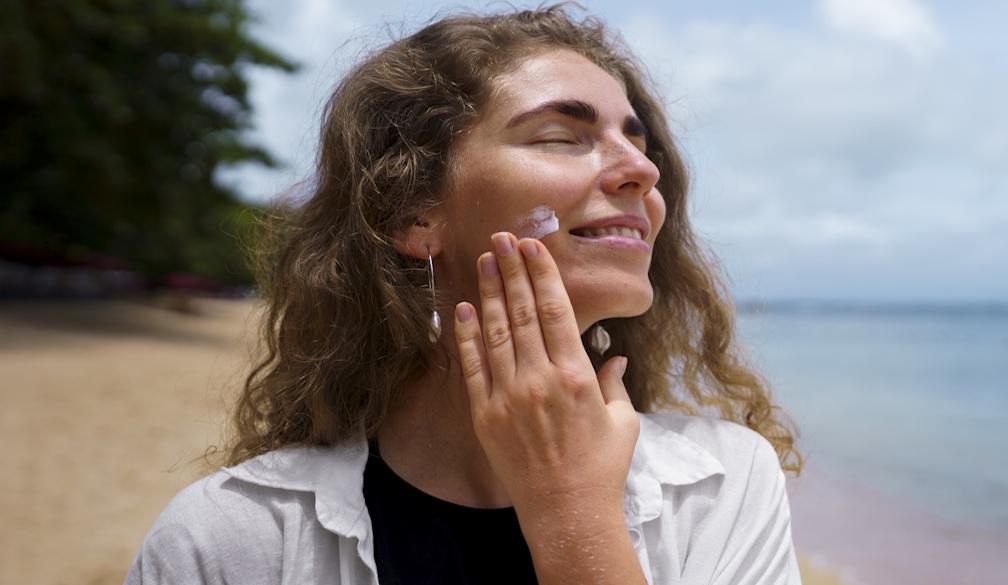
Sunburn can happen even when you think you’ve taken precautions. Spending too long outdoors or missing a sunscreen reapplication can quickly leave your skin feeling hot, red, and sensitive. Once the damage has occurred, it’s common to question whether applying sunscreen will soothe or further irritate the affected area.
What Happens to Your Skin After Sunburn
Sunburn is caused by excessive exposure to ultraviolet radiation, which damages skin cells and triggers an inflammatory response. This is what leads to redness, swelling, heat, and discomfort.
Milder sunburn typically affects only the outer layer of skin and will settle within a few days. More severe cases can penetrate deeper layers, causing blistering, heightened sensitivity, and a longer healing period. During this time, even gentle contact can feel uncomfortable due to irritation of nerve endings near the skin’s surface.
Can You Use Sunscreen on Sunburnt Skin?
In most cases, sunscreen can still be used on sunburnt skin, particularly if you need to be outdoors while healing. Without protection, the already compromised skin is more susceptible to further UV damage.
Because sunburn weakens the skin barrier, it becomes increasingly sensitive to sunlight. Applying a suitable sunscreen carefully can help shield the skin and prevent additional harm. However, not all sunscreens are appropriate during this stage.
Products containing alcohol, fragrances, or harsh active ingredients may cause stinging or discomfort. Choosing a gentle formulation and applying it lightly, without rubbing, will help minimise irritation. Reapplication remains important if you are exposed to the sun for extended periods.
How Sunscreen Helps During Recovery
Sunscreen acts as a barrier against ultraviolet radiation, either by absorbing or reflecting UV rays. When your skin is already damaged, this added layer of protection becomes even more important.
Maintaining sun protection while your skin heals helps prevent further inflammation and supports recovery. Consistent use reduces the likelihood of additional injury during this vulnerable period.
Choosing the Right Sunscreen for Sensitive Skin
When dealing with irritated skin, mineral-based sunscreens are often the best option. Ingredients such as zinc oxide and titanium dioxide sit on the skin’s surface and reflect UV rays, rather than being absorbed.
Fragrance-free products are also recommended, as they are less likely to aggravate sensitive or damaged skin. These options are particularly suitable for those prone to irritation or for children.
Why Ongoing Sun Protection Is Essential
Even after a sunburn has occurred, protecting your skin remains critical. Continued UV exposure can worsen inflammation, delay healing, and contribute to long-term damage.
Shielding your skin during recovery can also help prevent pigmentation changes such as dark spots or uneven tone. In some cases, mineral sunscreens containing zinc may also provide a mild soothing effect.
Repeated sun damage increases the risk of future skin concerns, including skin cancer. If you experience frequent sunburn or notice changes in your skin, visiting a Gold Coast skin cancer clinic for assessment is a sensible next step.
When to Avoid Sunscreen Temporarily
If your sunburn is particularly severe, especially with blistering or extreme tenderness, applying any product may feel too uncomfortable. In these situations, it is best to avoid sunscreen on the affected area initially.
Instead, focus on physical protection such as staying in the shade, wearing loose clothing, and limiting sun exposure. Once the skin begins to settle, sunscreen can be gradually reintroduced.
Common Questions About Sunburn Care
Many people seek advice from a skin clinic about how to care for sunburn effectively.
How can you support healing?
Cooling the skin with a gentle shower or damp cloth can reduce heat and inflammation. Keeping the skin hydrated with lightweight moisturisers or aloe-based products, along with drinking plenty of water, can assist recovery.
What should you avoid?
Heavy ointments, exfoliating products, and strongly scented lotions can irritate the skin further or trap heat. It’s best to keep your routine simple and gentle.
Can moisturiser help?
Yes, provided it is lightweight and free from fragrance. Aloe vera or calming formulations can help restore hydration without worsening discomfort.
Protecting Your Skin Moving Forward
Allowing your skin time to recover is essential, but ongoing protection plays a key role in preventing further damage. If you need to be outdoors, choose a gentle sunscreen and apply it carefully.
If you notice unusual skin changes, persistent redness, or concerns following repeated sun exposure, consider seeking advice from a trusted Gold Coast melanoma surgery. Regular checks through a respected Gold Coast skin clinic or skin cancer clinic can support early detection and long-term skin health.

 Business Daily Media