The Shift Toward Heat Pump Water Heaters in Commercial Buildings
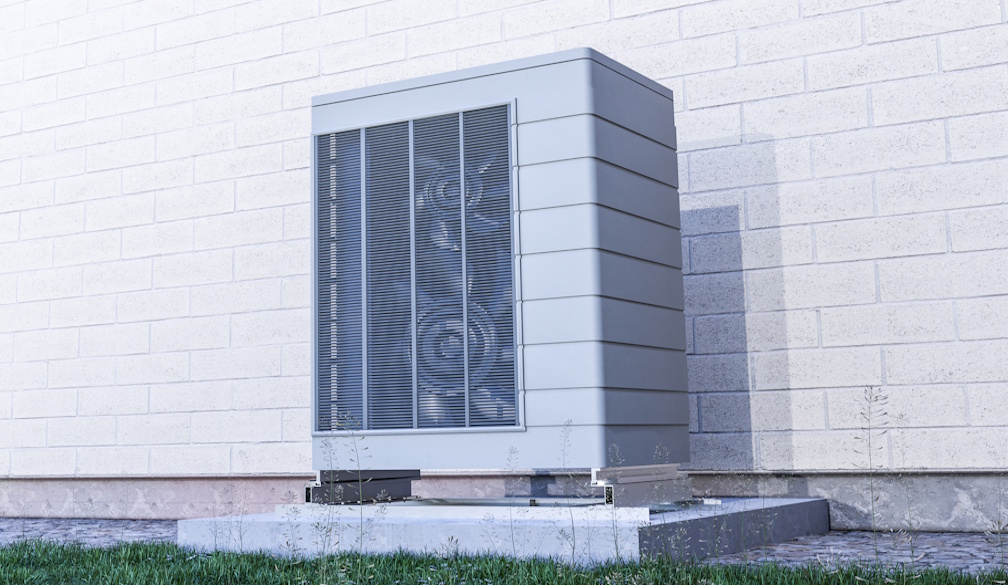
Commercial buildings are rethinking how they approach hot water, not just from an installation standpoint, but from a long-term water heater service and energy strategy perspective. Rising utility costs, electrification pressure, and performance expectations are pushing owners to look beyond traditional systems. Heat pump water heaters are entering the conversation not as a trend, but as a practical shift in how commercial hot water plants are designed, operated, and maintained.
Why the Commercial Heat Pump Water Heater Is Gaining Ground
Energy cost volatility and demand charges
Heat pump water heaters move heat instead of making it from scratch, so they typically use far less electricity per gallon delivered. A modern commercial heat pump water heater does this at scale, reducing input energy while maintaining delivery capacity. In many commercial buildings, that translates into smaller peak electric loads than resistance electric, and in some cases a smoother load profile that can help with demand charges, especially with good controls and storage strategy. With intelligent staging and thermal storage, commercial heat pump water heating systems can act like a hot water plant that adapts to time-of-use rates, occupancy swings, and even grid events, something many traditional commercial water heater setups don’t optimize.
Decarbonization requirements are getting real
Owners aren’t just chasing green points anymore. They’re responding to internal ESG goals, investor and tenant expectations, and local policies that increasingly favor electrification and penalize on-site combustion.
Building owners are realizing that domestic hot water is one of the last large, constant fossil-fuel loads in many properties. That makes a combustion-based commercial water heater a liability: fuel price volatility, carbon reporting exposure, local electrification pressure, higher long-term water heater repair exposure tied to combustion components, and future retrofit risk.
An energy efficient heat pump water heater reduces direct combustion exposure while aligning with long-term electrification strategies. For many properties, upgrading to a commercial heat pump water heater is less about optics and more about risk management.
Incentives are tipping projects from interesting to obvious
Many markets offer utility rebates, state programs, and building-performance incentives that can materially reduce first cost and shorten payback. Incentives frequently prioritize heat pump water heaters for commercial buildings as part of broader electrification programs.
Even when incentive programs change, the direction of travel, supporting electrification, has been consistent.
The technology has matured for commercial duty
Better refrigerants and controls, improved low-ambient performance that varies by model, and modular product lines make commercial designs more predictable than they were a decade ago. Today’s commercial heat pump water heating systems are engineered specifically for commercial runtime and staging requirements.
Heat pump water heaters are gaining traction because they reduce long-term uncertainty. Owners aren’t just buying efficiency, they’re buying insulation from future regulation and fuel cost swings. The shift toward the commercial heat pump water heater is fundamentally about long-term operational control.
Commercial Heat Pump Water Heating Systems vs Traditional Commercial Water Heater
Traditional (gas or electric resistance)
Strengths: high temperature capability, compact footprint, simpler piping and control, fast recovery, especially gas. Traditional commercial water heater systems are built around instantaneous power: fire hard, recover fast, handle peaks with brute force. A traditional heater is often sized to meet the peak with horsepower and solve peaks with input capacity. This is also the operating logic behind many high-capacity gas designs and large-format tankless water heater system configurations used in commercial settings.
Typical trade-off: higher operating cost, especially electric resistance, combustion venting and safety considerations for gas, and higher emissions for fossil systems.
Commercial HPWH systems
Strengths: high efficiency, major operating cost reductions in many buildings, electrification benefits, scalable modular designs. Modern commercial heat pump water heating systems are built around energy strategy: store smart, stage intelligently, move heat efficiently over time. A commercial heat pump water heater plant is often sized to meet the peak with strategy, heat pump capacity, storage, and controls, and solve peaks with storage and control.
Typical trade-off: needs thoughtful design, air source, space, condensate, acoustics, can be temperature-limited depending on model and ambient conditions, and often relies more on storage and smart sequencing than brute-force burner output.
When designed well, the heat pump approach can reduce operational cost dramatically. When designed poorly, it struggles, regardless of the rated heat pump water heater efficiency on paper.
Heat Pump Water Heater Efficiency Explained
Commercial efficiency lives or dies on conditions and controls. Real-world heat pump water heater efficiency is a systems outcome, not just a spec sheet metric.
Entering air conditions, temperature and humidity, matter. Warmer air generally improves performance. Many commercial wins happen when units can pull from mechanical rooms, kitchens, laundry areas, or other warm zones, or when there’s a dedicated outdoor or duct strategy that avoids cold air penalties. Air management strategy, where the unit pulls heat from and what that does to surrounding space loads, can make or break real-world performance. Dirty coils or filters, restricted airflow, and poor condensate management can also degrade performance over time, reducing expected heat pump water heater efficiency.
Hot water temperature setpoints are another driver. The hotter you ask the unit to deliver, the harder it works. Systems that can operate with lower primary temperatures, or use mixing valves to deliver safe temps at fixtures, can unlock better performance from an energy efficient heat pump water heater. Smart mixing and properly sized storage reduce high-temp demand and short cycling.
Load shape and recovery expectations matter. Steady, predictable hot water demand, multifamily, hotels, certain process loads, allows the system to operate in its most efficient range. Spiky profiles can still work, but often require more storage or a hybrid approach.
System design, storage, recirculation, and mixing, shapes outcomes. Oversized recirculation loops or poorly insulated piping can quietly become the dominant load. In many commercial buildings, recirculation and pipe heat loss consume more energy than water heating itself. If that’s not addressed, upgrading the heater alone, whether a traditional commercial water heater or a commercial heat pump water heater, won’t deliver expected savings.
Controls and staging logic also matter. Lead/lag staging, lockouts, defrost logic, and time-of-use scheduling can create very different operating costs between two identical HPWH plants.
In commercial buildings, efficiency isn’t a product spec. It’s a systems outcome. Efficiency is rarely lost inside the machine. It’s usually lost in the building.
Where Heat Pump Water Heaters for Commercial Buildings Perform Best
Heat pump water heaters for commercial buildings shine where the building naturally gives them good "fuel" (air heat) and where the hot water demand is consistent. They perform best where hot water is a continuous operational load, not an occasional event.
That includes multifamily housing, hotels and hospitality, senior living, healthcare, gyms, recreation centers, dorms, and laundry-heavy facilities where warm, humid air can be a big advantage. Buildings with waste heat, mechanical rooms, data or IT adjacent spaces, commercial kitchens, can also be a strong match when that heat is captured safely and intentionally.
In multifamily buildings, especially with predictable morning and evening peaks and room for storage, commercial heat pump water heating systems pair well with storage-based strategies. Hotels and hospitality projects are often a great match for the same reason. Healthcare and senior living facilities offer continuous demand and strong savings potential, often with thoughtful temperature and redundancy design.
They can also work well in colder climates, but performance becomes more design-dependent. Air source strategy, equipment selection, and storage planning matter more when specifying heat pump water heaters for commercial buildings in low-ambient regions.
They perform best in buildings willing to treat hot water as a managed energy system, not just a mechanical afterthought. Facilities that monitor usage, manage recirculation, and understand their demand patterns consistently see better results than those that install and forget.
Designing Commercial Heat Pump Water Heating Systems for Performance
Air strategy (the "where does the heat come from?" question)
Using conditioned indoor air can unintentionally increase space-heating load in winter. Using outdoor air can reduce performance in cold snaps unless the equipment is designed for it. Ducting can solve air conflicts, but adds static pressure and coordination complexity. Best practice mindset: treat air like a design resource, not an afterthought when implementing commercial heat pump water heating systems.
Temperature architecture
Decide what the heat pump produces vs. what the building delivers. Common approach: produce at an efficient temperature, then mix to safe delivery temps at fixtures and manage any higher-temp needs separately to preserve heat pump water heater efficiency.
Storage design (often the "secret weapon")
Storage volume, tank stratification, sensor placement, and piping arrangement can make or break recovery. Storage can also enable off-peak heating to reduce operating cost in a commercial heat pump water heater plant. Poor sensor placement in storage tanks and underestimating peak load duration are common risk factors.
Recirculation and distribution losses
Recirc loops can become a constant energy drain. Insulation quality, balancing, pump control, and demand-based recirc strategies matter. Ignoring how recirculation loops affect system sizing is a key risk factor, regardless of whether the plant is an energy efficient heat pump water heater system or a legacy commercial water heater.
Redundancy and reliability planning
Commercial owners care about hot water continuity. Modular commercial heat pump water heating systems can be inherently resilient if the staging and backup strategy (if used) is designed correctly. Over-reliance on resistance backup that erodes savings is a risk.
Condensate, drainage, and freeze protection
Condensate isn’t optional, plan routing, traps, and maintenance access. Cold climate installs need freeze-protection thinking for outdoor or ducted air paths. Failing to coordinate space conditioning impacts is another risk factor.
Sound, vibration, and location
Mechanical room acoustics, roof structure, and adjacency to noise-sensitive areas should be addressed early.
A commercial heat pump water heater is not a drop-in swap in most applications.
Commercial Heat Pump Water Heater vs Commercial Water Heater Costs
In many commercial cases, HPWHs win lifecycle economics, but only when the system is designed around how buildings actually use hot water.
What tends to improve HPWH lifecycle economics includes high annual hot water use, favorable electric rates or time-of-use optimization, available incentives or rebates, the ability to use warm air or recover waste heat, and smart storage and recirculation control.
Where traditional might still compete is in very high temperature requirements without a good mixing or booster plan, in applications designed around a centralized tankless water heater system where instantaneous output is prioritized over storage strategy, severe space constraints with no viable air strategy, extremely spiky loads with minimal storage tolerance, or sites where electric infrastructure upgrades are expensive.
Lifecycle cost isn’t "equipment A vs equipment B." It’s plant design and rates and load shape and maintenance. A well-designed commercial heat pump water heater system often beats a poorly designed one by a bigger margin than it beats a traditional heater.
Lifecycle cost depends on annual hot water volume, utility rate structure, load profile variability, maintenance discipline, incentive structure, and design execution. Regular water heater maintenance, including inspecting tanks, controls, and heat pump components, plays a major role in keeping commercial heat pump water heating systems operating at their intended efficiency.
In high-demand buildings with stable usage, lifecycle savings from heat pump water heaters for commercial buildings can be substantial. In low-use or highly erratic applications, the advantage narrows.
Owners are increasingly evaluating water heating the same way they evaluate HVAC plants, with modeling, forecasting, and operational planning, not just equipment quotes.
Limits of the Energy Efficient Heat Pump Water Heater
Owners should go in with clear expectations, not just marketing claims about an energy efficient heat pump water heater.
Temperature and capacity constraints. Some applications need higher leaving water temps or rapid recovery. That may require storage, a booster, or hybrid design, even within commercial heat pump water heating systems.
Space and airflow requirements. You’re installing a piece of equipment that interacts with air. That means volume, ventilation/ducting, and maintenance clearance.
Cold climate performance complexity. Heat pump water heaters for commercial buildings can work in cold climates, but the design must account for low-ambient operation, defrost cycles, and where the heat is sourced.
Potential electric service impacts. HPWHs can reduce energy use, but the building still transitions loads to electricity when replacing a combustion-based commercial water heater.
Acoustics and tenant experience. Noise control is manageable, but only if it’s considered early.
Water quality, scaling, and maintenance realities. Like any water heating plant, performance and lifespan depend on maintenance, filtration (where needed), and protecting heat exchangers/tanks from scaling and corrosion.
Heat pump systems introduce trade-offs that must be understood upfront. They are not universally superior. They are superior when matched to the right building and properly engineered.
The Future of the Commercial Water Heater
From single heater to modular plants
Manufacturers and designers are leaning into modular arrays with staging controls, remote monitoring, and redundancy baked in, especially in commercial heat pump water heating systems. More projects combine heat pumps with storage-first strategies, temperature boosters, or legacy systems kept for peak or emergency coverage, depending on the commercial water heater requirements.
Controls are now a core differentiator. The competitive edge isn’t just COP or heat pump water heater efficiency, it’s sequencing, fault detection, and integration with BAS and utility programs, particularly for a commercial heat pump water heater plant.
Electrification is changing spec habits. Specs increasingly call for performance-based outcomes (delivered temperature, recovery, redundancy, operating cost targets) rather than "match this heater model." That shift is accelerating adoption of heat pump water heaters for commercial buildings, including modular designs that behave more like a plant than a single appliance.
More focus on distribution losses. As generation gets more efficient, recirc and piping losses become a bigger percentage of total DHW energy, so the industry is paying more attention to system-level efficiency, even in projects marketed around an energy efficient heat pump water heater.
The biggest change isn’t the equipment. It’s who’s involved in the decision.
Water heating used to be a late-stage mechanical spec item. Now it’s discussed in sustainability planning meetings, capital forecasting discussions, ESG reporting conversations, and utility coordination sessions, especially when a commercial heat pump water heater is on the table.
Water heating is moving from "commodity appliance" to "managed energy asset."


 Business Daily Media