What to Consider Before Choosing Access Platforms for Site Work
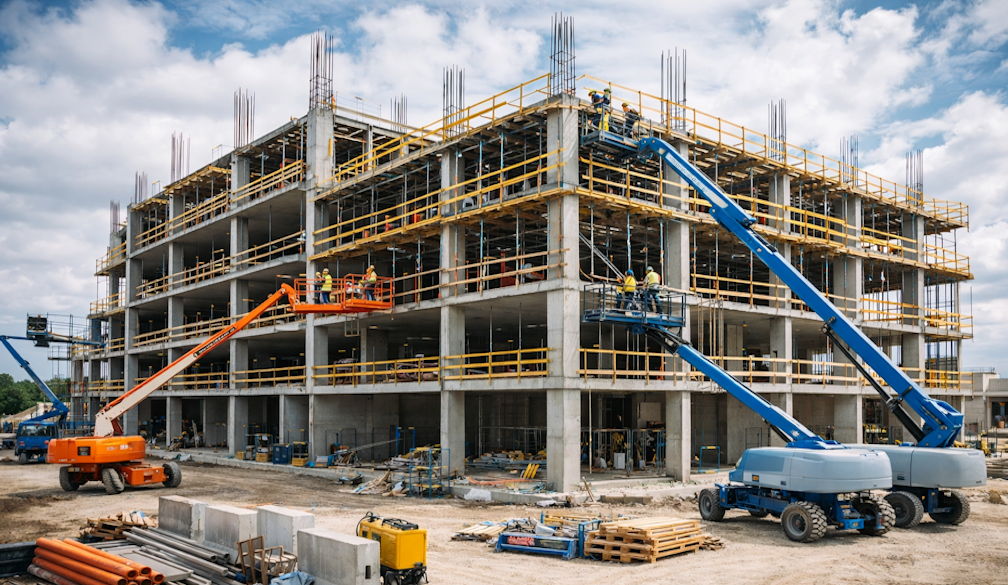
On construction and maintenance sites, working at height requires more than just elevation — it demands stability, compliance, and safe load distribution. While ladders may suit short tasks, longer-duration or multi-person work often calls for a broader working platform.
This is where scaffold systems and properly rated scaffold planks play an essential role in supporting safe and efficient access.
Understanding the Role of Scaffold Planks
Scaffold planks form the horizontal working surface within a scaffold structure. They are designed to distribute weight evenly across the support frame, allowing workers to move safely while handling tools and materials.
Quality scaffold planks are engineered to meet specific load ratings and safety standards, ensuring they perform reliably under site conditions.
Material and Load Rating Matter
Scaffold planks are typically available in aluminium, steel, or engineered timber. Each material offers different advantages depending on the task.
- Aluminium planks are lightweight and corrosion-resistant
- Steel planks provide durability for heavier-duty environments
- Timber planks may be used in certain traditional setups
Choosing the correct load rating is critical. The plank must safely support workers, tools, and materials without flexing excessively.
Compliance With Safety Standards
Workplace height regulations in Australia require compliant equipment. Scaffold components, including planks, must meet relevant safety standards for strength, slip resistance, and structural integrity.
Using uncertified or damaged planks can increase risk and potentially breach site safety requirements.
Matching Planks to the Scaffold System
Not all planks fit every scaffold configuration. Length, width, and locking mechanisms should align with the scaffold frame being used. Secure placement reduces movement and improves stability during use.
Before purchasing or installing scaffold planks, it’s important to confirm compatibility with the intended scaffold system.
Inspection and Maintenance
Even high-quality planks require regular inspection. Check for:
- Bending or structural damage
- Cracks or corrosion
- Worn locking mechanisms
- Surface wear that may reduce slip resistance
Routine checks help ensure continued safety and extend equipment lifespan.
Efficiency and Workflow Benefits
Beyond safety, stable working platforms improve productivity. Workers can move freely, position materials within reach, and maintain better balance compared to narrow access options.
Properly installed scaffold planks create a broader, more practical workspace, particularly for tasks that require two hands or extended time at height.
Choosing With Practicality in Mind
Selecting scaffold components should balance durability, compliance, and ease of handling. Lightweight options may improve transport efficiency, while heavy-duty planks may better suit industrial conditions.
By understanding material options, safety requirements, and site demands, businesses can ensure their scaffold planks contribute to both safe access and efficient workflow on site.


 Business Daily Media