What Fire Equipment Does Your Sydney Building Actually Need?
Most Sydney building owners aren’t trying to cut corners. They’re trying to keep the place running. Tenants want zero disruption. Staff want the doors open. Customers want the lights on. And then, out of nowhere, somebody asks: “Can you send through the fire compliance docs?”
That’s usually when people start Googling fire equipment installers in Sydney and asking their contractor about fire extinguisher servicing for a Sydney building. Fair enough. But here’s the slightly annoying truth: the “right” fire equipment isn’t decided by vibes, or by what the building next door has. It’s decided by your building’s approvals and the document that quietly controls the whole show.
Scheduling matters more than the fire hardware itself
This is where owners can feel a bit stuck. You might look around and see extinguishers, exit lights, a panel in the foyer, maybe sprinklers if it’s a bigger site. It can feel like everything’s covered.
Then you learn that annual fire safety statements must include all essential fire safety measures that apply to the building, and that the statement verifies inspection and compliance of key elements like exit systems.
Here’s the contradiction I mentioned earlier: you can have “heaps of gear” and still be missing what the schedule requires. Or you can have the right gear, but poor records, and that’s where the stress starts. The equipment is only half the story. Proof matters.
What fire equipment shows up in Sydney buildings?
Sydney’s building stock is a wild mix. New apartment towers with car stackers. Old terraces converted into consult rooms. Warehouses that suddenly become e-commerce fulfilment hubs. The required equipment changes with building class, design, and intended use, so I’m not going to pretend there’s one universal set.
But there are common themes, and you’ll recognise them once you start reading your schedule.
Fire detection and alarm systems
Many buildings have detection and alarm systems that sense smoke or heat and then trigger occupant warning and evacuation responses. The planning guidance in NSW makes it clear that fire safety statements relate to the essential measures that apply to the building, which often includes those warning systems where they’re required by design.
In practical terms, alarm systems affect business continuity more than most owners expect. A sensitive detector in the wrong spot can cause nuisance activations. A dusty fit-out can trigger alarms. A kitchen exhaust issue can set off a cascade. And suddenly the conversation isn’t “what equipment do we need?” but “how do we stop evacuating every fortnight?”
That’s why installation quality and placement decisions matter. You can spend less on day one, then pay forever in callouts and disruption. It’s a quiet tax.
Emergency lighting and exit signage
Exit signs and emergency lighting are the unsung heroes. Nobody compliments them on a good day. But if an evacuation happens during a power outage, they matter instantly.
City of Sydney’s guidance on annual statements speaks to certifying that required fire-safety measures are compliant with relevant standards, and in real life, emergency lighting is one of the measures owners get asked about often.
And yes, Sydney buildings have their own quirks here. Older sites sometimes have fittings that were compliant years ago but have since been patched, relocated, or replaced in bits and pieces. New fit-outs can also block sightlines. It’s rarely malicious. It’s usually “we moved a wall and forgot the sign.”
Portable fire extinguishers and blankets
Extinguishers feel straightforward. Put them on walls. Label them. Move on. Except it’s never that clean.
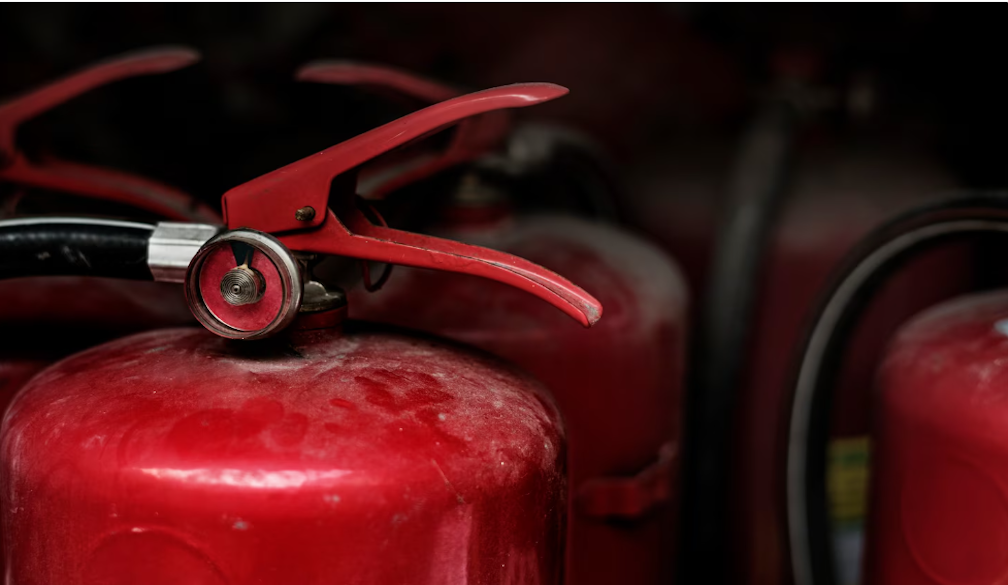
Fire and Rescue NSW’s business information makes the point that extinguishers can reduce injury and damage when used properly, and their guidance also points readers to the Australian Standard for selection and location (AS 2444) for more comprehensive requirements.
There’s also the very human issue of access. FRNSW recommends keeping extinguishers in a conspicuous, readily accessible location, with a clear area around them.
If you’ve managed a site for more than a month, you’ve probably seen an extinguisher hidden behind a pot plant, a promo stand, or a stack of stock. It’s not a scandal. It’s a symptom of a busy building.
Hose reels, fire hydrants, and water-based systems
Once a site gets larger, or the design calls for it, you’ll see hose reels and hydrants, and possibly sprinkler systems. These systems bring their own set of servicing and access needs, and they tend to be less forgiving when ignored.
They also tie into approvals and schedules very directly. If the schedule says a hydrant system must meet a minimum standard, you don’t get to replace it with “something similar” because it seems fine. Any changes to scheduled measures should be treated carefully and often involve approvals and consultation. FRNSW’s business extinguisher fact sheet even warns that changes to scheduled measures enforceable by law require council involvement, which hints at the bigger principle: don’t freestyle compliance.
Fire doors and paths of travel
Fire doors, smoke doors, stair pressurisation, and the general “get people out safely” components are some of the most commonly misunderstood measures in busy buildings. People wedge doors open because it’s convenient. Tenants use fire stairs as storage because space is tight. Someone installs a fancy new fit-out and blocks a path that used to be clear.
The NSW Planning Portal notes that annual statements verify that an accredited practitioner has inspected and confirmed exit systems comply with the Regulation.
That’s the key phrase: exit systems. If you’re a building owner, “exit systems” is the phrase to take seriously. It’s not glamorous, but it’s the part that saves lives when the rest goes sideways.
What should a Sydney owner do next about their fire systems?
Honestly, the calmer play is to start with clarity.
Find your Fire Safety Schedule and read it like it’s a shopping list, not a legal artefact. Cross-check what’s installed. Cross-check what’s being serviced. Then compare your annual statement records against what the schedule expects, because the annual statement must cover the essential measures that apply to the building.
If something doesn’t line up, don’t guess. Ask. Good providers can explain scope plainly, and they can tell you whether you’re missing equipment, missing servicing, or simply missing clean documentation.
And if you’re heading into a refit season, or you’re about to change tenants, treat fire equipment like you treat the internet and power. Plan it early. Nobody wants a last-minute scramble when the builder’s packing up and the tenant wants the keys.
Because that’s the real point: the right fire equipment isn’t “more stuff”. It’s the right measures, installed and serviced as required, with records that make the whole thing feel steady.
And in Sydney, where buildings are busy and stacked and constantly changing, steady is the goal.


 Business Daily Media