Structural Engineer Melbourne: Ensuring Strength, Safety, and Precision in Every Build
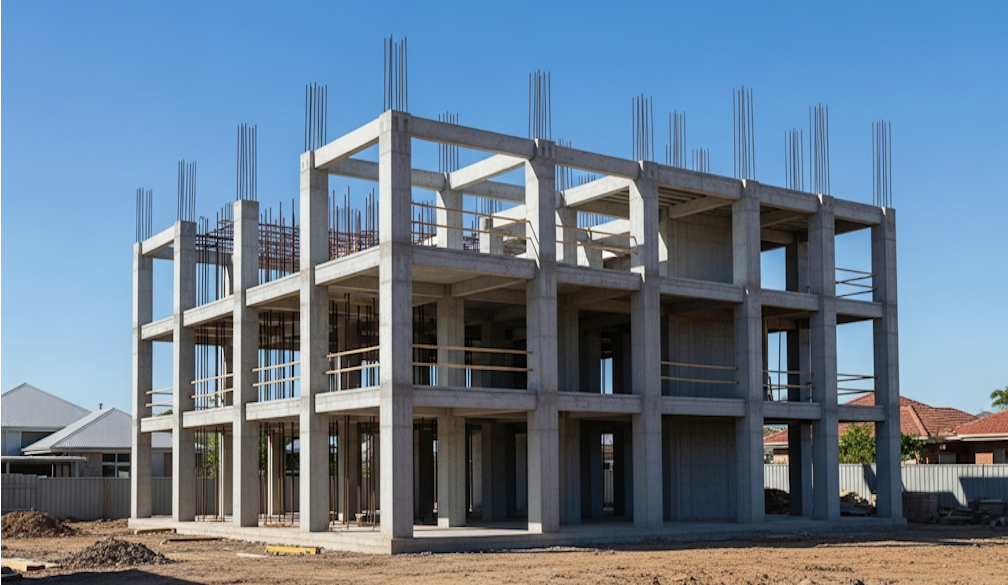
Behind every safe, durable, and aesthetically impressive building lies the expertise of a structural engineer Melbourne. These professionals play a critical role in ensuring that every structure — from residential homes to skyscrapers, bridges, and commercial complexes — can withstand the forces of nature, time, and use. Through advanced design, analysis, and problem-solving, structural engineers are the unsung heroes of construction, providing the technical foundation upon which Melbourne’s built environment stands.
With the city’s ongoing urban expansion, structural engineering services have become indispensable partners in construction and infrastructure projects. Their expertise ensures that every element, from steel frameworks to concrete slabs, performs as intended under real-world conditions. Whether working on new developments, renovations, or heritage restorations, structural engineers provide the insight and technical precision that guarantee long-term stability and compliance with Australian standards.
The Role of a Structural Engineer in Modern Construction
The job of a structural engineer extends far beyond drawings and calculations. Their primary responsibility is to ensure that buildings and structures can support loads safely and efficiently without excessive movement or failure. This involves analysing materials, determining load paths, and designing frameworks that distribute forces evenly across the structure.
They are also responsible for assessing environmental factors such as wind, earthquakes, and soil conditions. In Melbourne, where variable weather patterns and diverse soil compositions can influence building behaviour, their expertise is crucial in preventing issues like cracking, settlement, or instability.
Core Structural Engineering Services in Melbourne
The range of structural engineering services offered in Melbourne is extensive, covering all aspects of structural design, analysis, and inspection. These services are applied across residential, commercial, industrial, and infrastructure projects.
In residential construction, structural engineers design footings, retaining walls, framing systems, and roof trusses. They ensure that homes are built to withstand loads from wind, soil movement, and occupancy without compromising safety or comfort.
For commercial and industrial developments, engineers design structural systems for warehouses, office buildings, factories, and multi-storey complexes. These projects often involve heavy loads, large spans, and complex geometries, requiring detailed structural modelling and material optimisation.
In infrastructure and civil projects, structural engineers work on bridges, tunnels, highways, and public facilities. Their designs must balance strength, durability, and longevity while minimising maintenance and environmental impact.
Other key services include structural inspections, forensic engineering (investigating failures or defects), seismic analysis, and remedial design for damaged or aging structures. These assessments ensure compliance, extend lifespan, and reduce long-term risks.
The Structural Design Process
Designing a structure involves several stages of analysis, modelling, and verification. The process begins with concept design and feasibility studies, where engineers collaborate with architects and clients to define objectives and constraints.
Next, engineers perform site assessments and soil testing to understand the foundation requirements. Geotechnical data is used to design footings and piles that ensure the structure remains stable under all load conditions.
Using software such as AutoCAD, Revit, and finite element analysis tools, engineers then create detailed 3D models of the structure. These models simulate how loads — including weight, wind, seismic forces, and thermal changes — will affect the building. Engineers use these simulations to refine designs, optimise material usage, and enhance safety margins.
Once the design is finalised, construction documentation is prepared. This includes engineering drawings, material specifications, and load calculations that guide builders during the construction phase.
During construction, structural engineers conduct site inspections to ensure the work aligns with approved designs. They check reinforcement placement, concrete strength, and steel alignment to prevent deviations that could affect structural performance.
Why Structural Engineers Are Essential for Safe and Sustainable Building
Engaging a qualified structural engineer Melbourne is vital for ensuring that a building is not only strong but also efficient and compliant. Structural failures can have catastrophic consequences, both financially and in terms of safety. Engineers prevent such outcomes through detailed analysis and adherence to strict standards.
In addition to safety, structural engineers contribute to cost efficiency. Their designs optimise material use, reducing waste and unnecessary expenses while maintaining strength. This is particularly valuable in large-scale developments where material efficiency directly impacts overall project budgets.
Sustainability is another key focus of modern structural engineering. Engineers now design buildings that minimise environmental impact by using eco-friendly materials, recycled steel, and low-carbon concrete. They also incorporate features that enhance thermal performance and energy efficiency, contributing to greener and more resilient urban environments.
In Melbourne, where sustainable design has become a priority, structural engineers are instrumental in achieving Green Star certification and other sustainability benchmarks. Their expertise ensures that eco-friendly construction remains both feasible and structurally sound.
Structural Engineering in Heritage and Renovation Projects
Beyond new construction, structural engineers play a crucial role in preserving and adapting Melbourne’s heritage buildings. Many of the city’s older structures require reinforcement, restoration, or modernisation to meet current safety and performance standards.
In these cases, engineers assess the existing framework, identify weaknesses, and design tailored reinforcement solutions that maintain the building’s historical integrity. Techniques such as carbon fibre strengthening, steel bracing, and foundation underpinning are commonly used to stabilise heritage structures without altering their appearance.
Similarly, when extending or renovating modern properties, engineers ensure that new additions integrate seamlessly with the existing structure. They evaluate load paths, check for potential deflection, and ensure that foundations and framing systems remain stable after modification.
Conclusion
The strength of any building lies in its foundation and framework — both of which depend on the expertise of a structural engineer Melbourne. Through innovative design, precise analysis, and a commitment to safety, structural engineers ensure that every project, from residential homes to major commercial developments, stands tall and endures over time.
With the help of advanced technology and sustainable design practices, Melbourne’s structural engineers continue to lead the way in creating safer, stronger, and smarter buildings. Their work doesn’t just support the city physically — it supports its progress, ensuring that each new structure reflects Melbourne’s commitment to engineering excellence and architectural integrity.


 Business Daily Media