Factory Relocation Checklist: Ultimate Guide
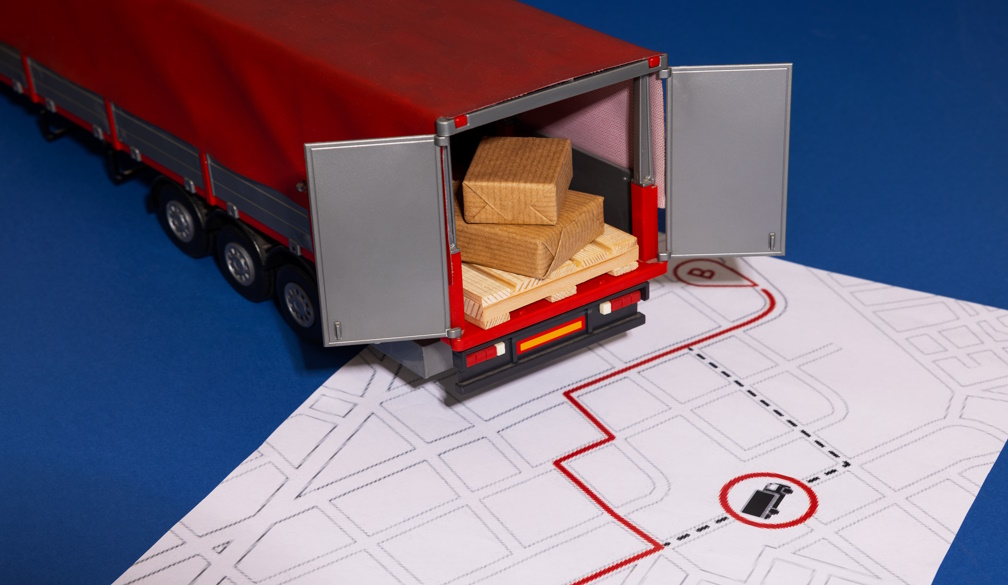
Industrial relocation is a significant endeavour that requires careful, long-term planning and execution. Some of the tasks include conducting a site survey, developing a relocation plan, backing up data and protection records, dismantling machinery, and transporting equipment. These responsibilities have long-term repercussions on your factory operations over time.
Whether moving to another part of town or another state, factory relocation doesn’t have to be daunting and stressful. Meticulous planning and precise execution by qualified Tweed Heads removalists can be a game-changer for your move.
If you’re planning a factory relocation but don’t know where to start, we can help guide you through this exciting journey.
This ultimate guide will explain the basics of factory relocation, empowering you with the knowledge and confidence to take charge of your move and enjoy a seamless transition to your new location.
- Assess Your Factory Relocation’s Feasibility
First things first: assess whether your factory relocation is the appropriate long-term strategy. Depending on your situation, it may or may not be the best situation for your facility. Considering significant factors, including cost reduction, expansion potential, property market trends, logistics accessibility, and labour availability, can help you determine the feasibility of your move.
Determine your facility’s long-term goals and challenges before relocating to a new factory site. Discuss your plans with executive management and consultants, who can provide you with valuable insight to make a critical, informed decision.
- Establish Your Relocation Objectives
Establish clear relocation goals to gain a comprehensive understanding of your factory move. Are you prioritising a bigger facility, more space, reduced costs, better logistics, or a combination of these factors? You can determine the layout, resource allocation, and timeline of your project once you establish these critical objectives.
While some facilities prioritise reduced lead times, others prefer to streamline work processes or create a safer environment for their workers. Since each factory is unique, your goals will be different from theirs. Ensure that you prioritise your unique priorities when planning and executing your factory move.
- Plan Meticulously Ahead of Time
Factory moves are not a haphazard process. We strongly recommend planning your relocation at least one year in advance.
Planning too soon may lead to more time constraints and inefficient execution. Adequate time allows you to plan and prepare for your production site move, minimising costly errors and optimising efficiency. Consider using a proven project management tool to help you monitor production and cover all aspects of your move.
- Know Everything About Your New Location
Invest significant time in getting to know your new location. Other facilities also want to expand and improve their production, so you’re facing stiff competition. These factories wish to improve their operational, financial, and logistical performance. On the other hand, vendor and customer proximity can help your factory minimise transportation costs, improve operations, and expand your client base.
Legal, accounting, or consulting specialists provide critical insight and instill confidence. They can provide you with timely answers that make your factory move feasible and long-term repercussions that broaden your perspective.
- Assemble A Capable Team
Assembling a qualified and capable team is critical to the success of your factory relocation. Each team member has a unique specialisation, allowing them to execute various aspects of your move.
For instance, a team of designers can conceptualise a new floor layout and hire subcontractors who can build industry-specific specifications. On the other hand, a dedicated human resources team oversees the hiring process. In contrast, a safety and standards team helps prevent worksite accidents and enhances efficiency, providing you with a sense of reassurance over your move.
Establish clear, precise communication with your team from the outset. Please note that factory relocations can significantly impact not only their jobs but also other aspects of their lives, such as their families and quality of life. Involving your team members from the beginning allows you to address possible issues before they escalate.
- Delegate Responsibilities
A factory relocation is a significant undertaking. You cannot do everything yourself. Whether it’s assessing the feasibility of a new location, hauling heavy machinery, or backing up data and protection records, relocating your facility is a team effort.
For this reason, consider assigning qualified team members to handle various moving phases, including logistics, communication, vendor coordination, and safety compliance. Ensure that these people can make key decisions and communicate regular updates.
Ask your human resources team to help define their responsibilities and expectations in writing, enhancing long-term accountability. A solid leadership structure helps eliminate confusion, ensures clarity, and improves efficiency, providing you with a sense of control and reassurance over your factory relocation.
7. Draft the Layout DesignsA verbal plan isn’t enough for a massive undertaking such as a factory relocation. Ensure that your design and planning team conceptualises precise drawings of your current and future production site. Your contractors and team members will use these illustrations as a guide to relocate your factory.
The advantages of drafting efficient layout factory relocation designs include the following:
- Accurate space planning: The drawings can accurately predict the locations of machinery, equipment, and storage areas, allowing you to maximise space.
- Streamlined workflow design: Accurate drawings enable planners to visualise and implement efficient production sequences.
- Proper utility coordination: Efficient layout designs facilitate the appropriate installations of power lines, compressed air systems, water, drainage, and ventilation, thereby preventing costly rework and reinstallation.
- Safety and compliance: Accurate drawings ensure safe clearances, emergency exits, and access routes, ensuring compliance with stringent Australian safety protocols.
- Efficiency: Drawings minimise installation errors and costly layout changes after your relocation, allowing factory managers to allocate their resources efficiently.
- Inspect the Machinery
Inspect your machinery’s condition before relocating. Some older equipment may no longer function efficiently, necessitating immediate replacement. Shifting defective machines to your new location may lead to bigger headaches over time, including operational inefficiencies, production delays, integration issues, compliance risks, and increased costs.
Taking proactive steps can help you prevent these scenarios. You can dispose of inoperable machinery and purchase newer ones before moving to your new location. Hold team members using specific equipment accountable for these responsibilities, creating a check and-balance system that enhances efficiency and provides long-term peace of mind.
- Manage Resources and Equipment
Consistent resource and equipment management ensures long-term efficiency. For instance, using equipment IDs with mechanical, environmental handling, and foundational requirements empowers stakeholders to prioritise their long-term use and upkeep.
Consider including engineers and contractors in the design and relocation of your factory, as this can enhance project timelines and facilitate stricter budget control measures.
- Assess the Supply Chain
The supply chain is critical in factory moves because it affects production, logistics, and customer commitments after the relocation. Supply chain disruptions can significantly impact operations, increase expenses, and damage client relationships.
Regardless of the scope and magnitude of your move, your transition can still affect your supply chain. Conducting a supply chain assessment minimises the long-term repercussions. Identify key suppliers, transport routes, warehouses, and delivery points. Analyse which links are susceptible to delays, capacity limits, or geographic issues.
Updating supplier contracts and ensuring deliveries to your new location facilitates a smooth supply chain over time.
Conclusion
Factory relocations can be a challenging endeavour. However, meticulous long-term planning and execution ensure smooth operations, minimal disruptions, and peace of mind, proven strategies, including relocation feasibility assessments, supply chain evaluation, resource and equipment management, and regular machinery inspections ensure a smoother transition for factory managers, production supervisors, and workers.
Always consult a trusted Gold Coast removalist when looking to relocate an industrial business or an office move.


 Business Daily Media