Automobiles have become more remote, and automatic
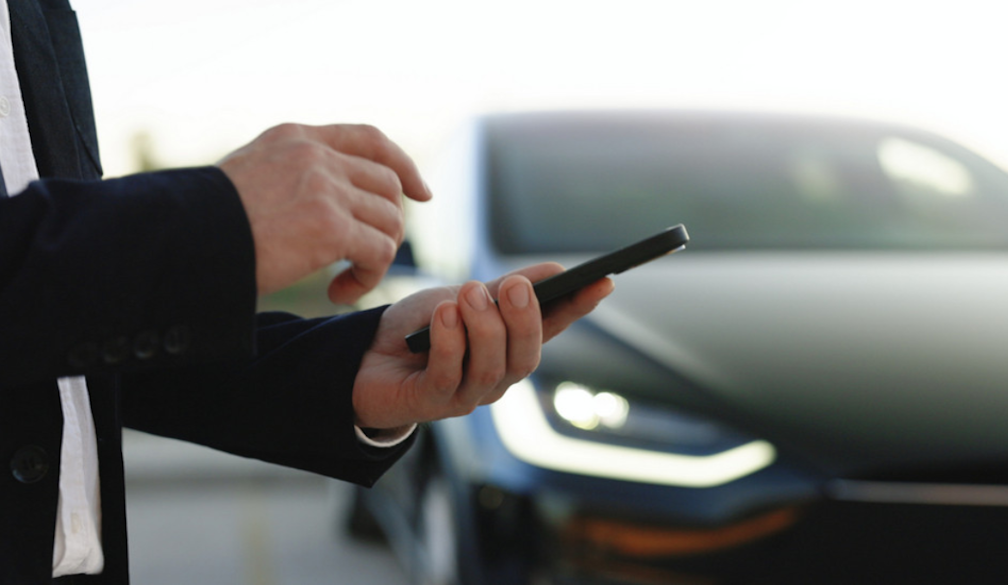
The automotive industry has witnessed a rapid transformation, driven by advancements in technology. Vehicles have become increasingly remote and automatic, offering drivers and passengers improved convenience and enhanced safety features. These changes are reshaping the way we interact with our cars, as well as influencing purchasing decisions. As automobiles continue to evolve, the integration of remote capabilities and automatic functions is leading the charge in this technological revolution.
Keyless Ignitions and Their Prevalence
Keyless ignitions have revolutionized the way drivers start their vehicles, eliminating the need for traditional keys. This shift is part of a broader trend towards automation in automobiles, making driving more seamless and efficient. Keyless systems often feature push-button start mechanisms, enhancing convenience and adding a layer of sophistication to modern vehicles.
The widespread adoption of keyless ignitions is evident, as they are now standard in more than half of the 17 million cars sold annually. According to the New York Times, this modern feature enhances the driving experience by eliminating the hassle of fumbling with keys. This innovation signifies the industry's commitment to integrating advanced technologies into everyday vehicles.
Beyond convenience, keyless ignitions also enhance vehicle security. These systems utilize encrypted signals to communicate between the key fob and the car, reducing the risk of theft. The integration of this technology is evidence of the ongoing evolution of automobiles towards a more secure and automated future.
Remote Start Technology
The convenience of starting a car from a distance has been made possible by the advent of remote start technology. As a feature that adds comfort and utility, remote start allows drivers to warm up or cool down their vehicles from within their homes or offices. This capability reflects the broader trend of remote control in automotive design, aligning with consumer demands for greater control at their fingertips.
According to CE Outlook, remote start from a phone accounts for 70 percent of remote start sales, highlighting the consumer preference for mobile-enabled convenience. The integration of smartphone technology into the automotive ecosystem allows drivers to interact with their vehicles in ways that were previously unimaginable. This trend points to a future where connectivity becomes an integral part of vehicle functionality.
The impact of remote start goes beyond mere convenience; it also contributes to vehicle maintenance and longevity by allowing engines to reach optimal temperatures before driving. This feature is particularly beneficial in extreme weather conditions, where pre-conditioning the vehicle can lead to a more comfortable and safer driving experience. As more manufacturers adopt this technology, remote start is set to become a staple in modern auto design.
The Decline of Manual Transmissions
While the advent of automatic transmissions brought convenience to the forefront, it also marked the gradual decline of manual transmissions in new vehicles. Historically, manual transmissions were favored for their fuel efficiency and control. However, advancements in automatic technology have closed the gap, offering comparable benefits without the need for manual shifting.
As automatic transmissions become more sophisticated, manual transmissions are becoming a rarity, now present in only about 3% of cars sold in the U.S. According to HowStuffWorks, this trend reflects a consumer shift towards convenience over the traditional driving experience. The decline of manual transmissions illustrates a significant cultural shift towards automation within the auto industry.
Despite their diminishing prevalence, manual transmissions still hold a special place among automotive enthusiasts who cherish the tactile engagement they offer. However, with regulatory pressures and technological advancements, manufacturers are focusing on improving automatic systems to meet modern consumer demands. As a result, the future of driving is becoming increasingly automated, changing the landscape of vehicle offerings.
Greater automation and remote capabilities mark a pivotal moment in automotive history. Keyless ignitions, remote start technology, and the decline of manual transmissions highlight the industry's ongoing commitment to innovation. As cars continue to integrate advanced technologies, the landscape of driving is profoundly changing, promising improved safety, convenience, and efficiency for consumers. These advancements are setting the stage for the next generation of vehicles, redefining what it means to take the wheel in a progressively automated world.


 Business Daily Media