How Contemporary Architecture is Redefining the Value of Luxury Homes
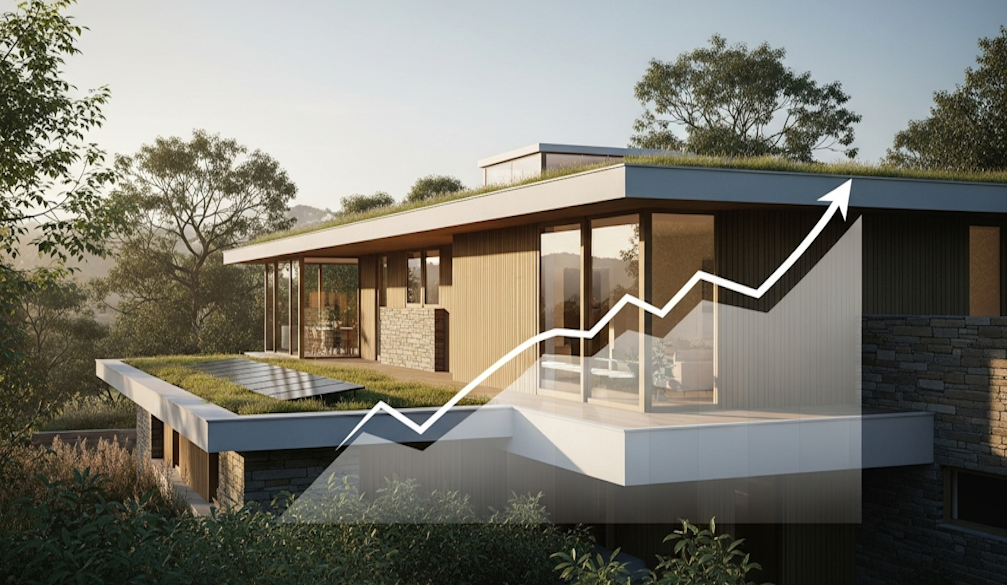
The relationship between architecture and property value has changed dramatically over the past decade. Once measured largely in square metres and postcode, the idea of luxury living is now increasingly defined by design quality, environmental performance and long-term livability.
As buyers and investors become more discerning, the architectural integrity of a home has become as important as its location. A thoughtfully designed residence now carries both cultural and financial value, creating a market shift where design-led development outperforms purely commercial construction.
Design as a Driver of Value
Modern homeowners are no longer satisfied with visual appeal alone. They are seeking spaces that feel intuitive, sustainable and tailored to contemporary life. This shift has pushed architects and developers to think beyond surface aesthetics, towards design that integrates function, wellbeing and long-term adaptability.
High-quality architecture does more than enhance a home’s appearance. It influences how people feel and behave within it, shaping experiences that add genuine value to daily life. From natural light and spatial flow to material quality and acoustic comfort, design decisions contribute directly to both emotional satisfaction and economic performance.
For developers and investors, collaboration with an experienced architecture practice is now a strategic business decision. Good design not only elevates a property’s appeal but reduces lifecycle costs, improves energy performance and ensures long-term resilience in a rapidly changing market.
Sustainability as the New Standard
Sustainability is no longer a niche concern but a core aspect of luxury residential architecture. Environmentally responsible design is now expected, not optional, among clients seeking both prestige and principle in their homes.
The most forward-thinking projects integrate passive design strategies that reduce energy use from the outset. Orientation, natural ventilation and thermal mass are used to regulate temperature and minimise reliance on mechanical systems. Renewable energy technologies, such as solar panels and ground-source heat pumps, are being discreetly incorporated to ensure environmental performance without compromising aesthetics.
Material selection has also become a critical factor. Locally sourced stone, timber and recycled metals reduce embodied carbon while adding authenticity and narrative depth to the architecture. These materials connect homes to their geography and context, enriching both their visual and environmental identity.
Architecture and Wellbeing
The pandemic accelerated a deeper awareness of how architecture impacts wellbeing. Natural light, fresh air, connection to landscape and acoustic comfort have become essential considerations in residential design.
Homes are now expected to support multiple modes of living, including work, rest, exercise and social connection, often within a single structure. Architects have responded by designing flexible floor plans, layered thresholds between public and private areas and spaces that adapt seamlessly to changing lifestyles.
This emphasis on wellbeing has become a key differentiator in the property market. Buyers increasingly prioritise homes that promote health and calm, and are willing to invest in architecture that enhances quality of life.
Technology, Craft and Comfort
While sustainability and wellbeing define the moral and emotional dimensions of design, technology brings precision and control. Digital modelling allows architects to test performance, light and spatial quality with extraordinary accuracy before construction begins.
At the same time, discreet smart systems are reshaping the experience of living at home. Intelligent heating, lighting and security controls now offer convenience without clutter, allowing architecture to remain the central focus. Yet despite these advances, the essence of good design remains rooted in craftsmanship and material authenticity.
Luxury is no longer about technological novelty or decorative excess; it is about design that works effortlessly and feels timeless.
Architecture as a Long-Term Investment
Well-designed architecture does not depreciate. Homes built with care, proportion and integrity tend to retain or increase their value over time, while poorly executed developments often date quickly.
For investors and homeowners alike, architecture represents a stable form of cultural and financial investment. It signals longevity and care, attributes that translate directly into market confidence.
Working with an established architecture practice ensures that projects are considered not just for their immediate visual impact but for their long-term relevance. A coherent architectural concept can future-proof a property against shifts in lifestyle, regulation and taste.
The Future of Luxury Living
As cities and communities evolve, the architecture of luxury housing is likely to become even more focused on quality of experience. Compact urban living, adaptive reuse and sustainable construction will define the next generation of design-led homes.
The future lies in quiet, intelligent architecture that offers comfort and beauty without excess. It is a form of luxury that values substance over spectacle and craft over ornament.
In this context, the role of architects extends far beyond design. They are shaping the way people live, the value of property and the environmental footprint of entire neighbourhoods. The collaboration between visionary clients, skilled craftspeople and forward-thinking architecture practices will continue to define the future of the built environment, one project at a time.


 Business Daily Media