Pre-Built Listings vs. Custom Homes: What’s Right for You?
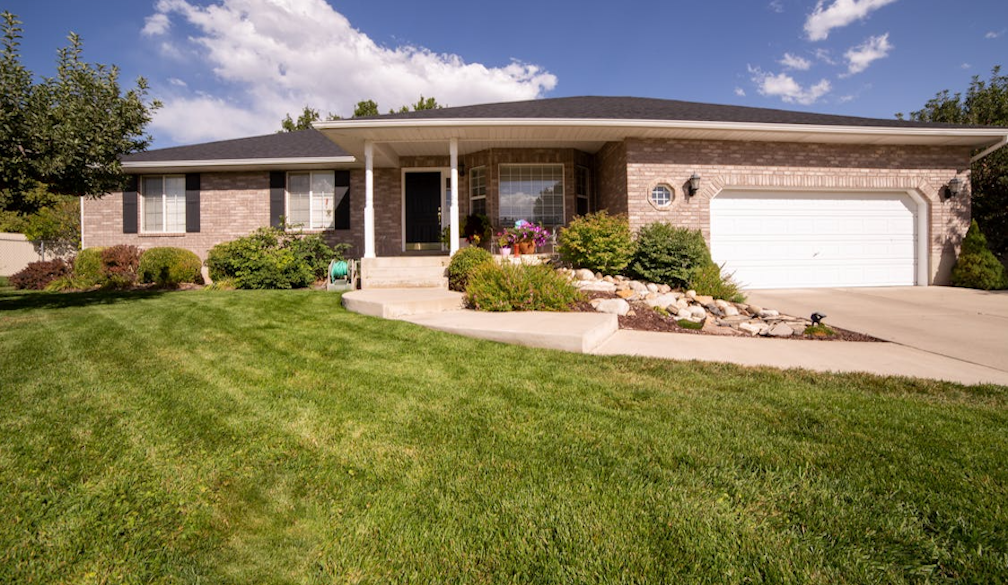
When it comes to buying a home, there are two common choices: custom homes and pre-built listings. A custom home is designed and built from the ground up, typically with the guidance of an architect and builder. In contrast, a pre-built listing is already constructed and available for immediate purchase.
Understanding the difference between these two options is crucial. Choosing where to live is a major decision—it affects your daily life, budget, and long-term plans. Selecting the right type of home can help you avoid unnecessary stress and unexpected expenses.
Each option comes with its own benefits and drawbacks. Examining what both have to offer will help clarify your decision. Ultimately, it’s about matching your choice to your lifestyle and priorities.
Pre-Built Listings: What to Expect
A pre-built home is one that’s already completed and ready for sale. These homes are often part of a development where builders offer a set range of designs and features. This setup allows buyers to tour the property, inspect its layout, and gain a clear understanding of the space before making a commitment.
Quick availability is one of the biggest advantages. Families with time constraints, job relocations, or school enrolments often need housing without delay. A pre-built option provides a practical solution, especially when the home is already staged and move-in ready.
Montgomery Homes have an excellent range of pre-built properties featuring diverse designs, finishes, and sizes. These provide buyers with meaningful choice—without the need to build from scratch. This variety helps make the decision process easier for those who want style and quality but prefer faster move-in timelines.
In most cases, these homes are built to meet popular preferences and current building standards, which simplifies inspections and financing. Buyers also avoid the risks of material shortages or construction delays. The result is a more streamlined experience that involves fewer decisions throughout the process.
However, the trade-off for this simplicity is reduced flexibility. Key features such as room sizes, wall placements, or window locations typically can’t be changed. If the layout doesn't fully align with your vision, you may need to compromise or plan renovations later on. For many buyers, this is a worthwhile exchange for the ease and predictability that pre-built homes offer.
Custom Homes: What to Expect
Choosing a custom home means having input into nearly every part of the design and construction. From the floor plan to the fixtures, you get to decide how the home will look and function. This approach is appealing to buyers seeking a space that reflects their exact needs and style.
The process usually begins with securing a plot of land, collaborating with a design team, and obtaining the necessary approvals. Construction then begins, and this stage can take several months or longer, depending on the project's complexity and any delays that may arise. Careful planning is crucial, as unexpected issues—such as permit hold-ups or supply shortages—can extend the timeline.
While the end result is a unique and functional living space, the cost of building a custom home is typically higher. Expenses accumulate not just through materials and labour, but also through professional fees and upgraded features that might not be standard in pre-built homes. You may also need to budget for extras like landscaping, fencing, or temporary accommodation if the project overruns.
Custom homes suit individuals with specific requirements, such as dedicated office space, accessibility considerations, or multi-generational living. The flexibility of custom builds allows these elements to be incorporated from the outset, rather than adapting an existing space. This makes them ideal for those who prioritise long-term satisfaction over short-term convenience.
Comparing the Two
Looking at the timeline is one way to help narrow the choice. Custom homes involve a lengthy process, often taking a year or more from planning to completion. Pre-built listings, by contrast, can often be finalised in just weeks—particularly if the property is already complete.
Cost is another factor. While custom homes are often perceived as more expensive, the actual cost depends on materials, location, and the level of customisation. A modest custom build on affordable land may end up costing less than a luxury pre-built home in a premium location. That said, it’s important to plan for hidden costs in custom builds, including site preparation and unexpected construction issues.
Design control clearly sets the two options apart. Custom builds offer total freedom to tailor every aspect—from built-in storage to sustainable design features. Pre-built homes may offer limited customisation, such as a choice of colour schemes or flooring materials, but these options are generally confined to what the builder provides.
Maintenance and future costs are also worth considering. New custom homes often incorporate the latest technologies and energy-efficient systems, potentially reducing maintenance over time. However, newly built pre-listed homes are also constructed to modern standards and frequently come with warranties, making them a reliable and efficient option.
What Matters Most to You
Your personal circumstances will play a major role in deciding which option is best. If you have the time to plan and the desire to shape every part of your home, building a custom property may feel more rewarding. It allows you to prioritise features that suit your family’s needs and how you want to live.
Pre-built homes, on the other hand, may be the better fit if you’re looking for a quicker move or a simpler process. They’re especially beneficial for people relocating, downsizing, or buying their first home. You’ll know exactly what you’re getting and can avoid the long wait that comes with a custom build.
Both types of homes offer solid value. The key is to be clear about what you want now—and what you’re likely to need in the future. A well-informed choice today can save time, money, and effort down the track.
Final Words
Choosing between a custom home and a pre-built listing isn’t always straightforward, but it becomes easier when you consider your needs, preferences, and timeline. Both options have their merits, and the right choice depends on what suits your lifestyle and budget.
Ultimately, the best decision is the one that aligns with your circumstances. Take your time, ask the right questions, and choose the path that fits you best.


 Business Daily Media