Australia’s Construction Outlook 2025: Where Floor Tiles Fit Into Sustainable Building Standards
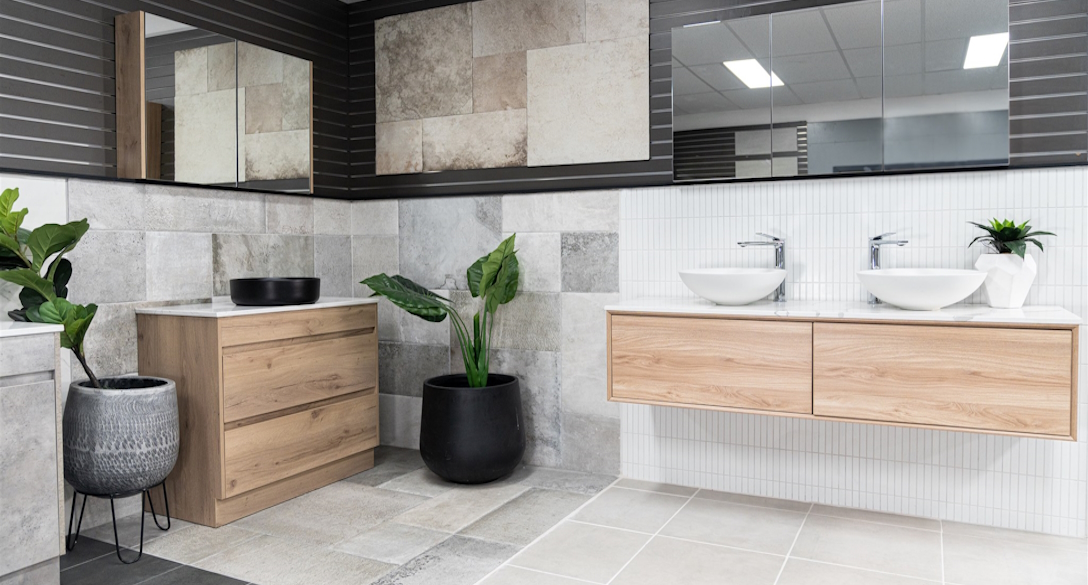
Australia’s construction industry is entering a transformative phase as sustainability becomes a central pillar of building design. With growing emphasis on eco-friendly materials, renewable energy, and stricter compliance standards, builders and homeowners are rethinking the materials they use for flooring, walls, and finishes. Among these choices, floor tiles have emerged as a practical, stylish, and sustainable solution that aligns perfectly with Australia’s 2025 building outlook.
This article explores the role of floor tiles in modern construction, their contribution to sustainability goals, and why choosing the right tile supplier can make all the difference.
The Shift Towards Sustainable Construction in Australia
The Australian construction sector is projected to expand steadily in 2025, but not just in terms of volume. According to Infrastructure Australia, upcoming projects are increasingly focused on energy efficiency, waste reduction, and material reuse. Builders are now under pressure to meet Green Star and NABERS standards, which encourage the adoption of eco-conscious building materials.
This shift means the traditional approach of using short-lived flooring materials like vinyl or carpet is being reconsidered. Instead, long-lasting solutions such as ceramic and porcelain floor tiles are gaining momentum. Their durability and low-maintenance qualities make them an ideal fit for sustainable design.
Why Floor Tiles Are a Smart Choice for Green Buildings
Unlike synthetic materials that degrade quickly and require frequent replacement, floor tiles have a significantly longer lifespan. When chosen carefully, they can align perfectly with green building principles:
- Longevity: High-quality tiles can last decades without replacement, reducing waste.
- Energy Efficiency: Tiles retain coolness in summer and can complement underfloor heating in winter, reducing energy consumption.
- Low VOCs: Unlike carpets and vinyl, tiles do not release volatile organic compounds, which improves indoor air quality.
- Recyclability: Many tile options are made from natural clays and can be recycled after use.
These features directly support the Australian Government’s National Construction Code 2025, which places greater focus on health, efficiency, and environmental performance.
The Design Factor: Aesthetic Meets Function
While sustainability is a top priority, design and style cannot be overlooked in construction. Australian homeowners and developers are increasingly investing in materials that blend both beauty and function. Floor tiles perfectly serve this demand, offering:
- A wide variety of textures, from natural stone finishes to sleek modern designs.
- Endless color palettes that can transform interiors and exteriors.
- Versatility across spaces: bathrooms, kitchens, outdoor patios, and commercial settings.
Interior designers now recommend statement floors as much as statement walls. With innovative digital printing technology, tiles can mimic natural timber or marble while remaining cost-effective and sustainable.
Where Floor Tiles Fit in Australia’s 2025 Construction Outlook
As the construction industry adapts to sustainability standards, floor tiles will play a larger role in both residential and commercial developments.
In residential projects, families are opting for durable flooring that requires minimal upkeep. Tiles offer homeowners confidence that their choice supports eco-friendly living without compromising on style.
In commercial spaces, floor tiles are becoming the go-to option for high-traffic environments such as shopping centers, hospitals, and offices. Their strength, hygiene, and compliance with safety standards make them the practical choice for large-scale builds.
The Role of Suppliers in Sustainable Construction
Sourcing materials from the right suppliers is critical in meeting Australia’s new building codes. Reliable suppliers not only provide durable tiles but also ensure that their manufacturing process supports sustainability goals.
For homeowners, architects, and builders seeking a trusted partner, exploring Ultimate floor tiles can be a step toward achieving both design excellence and eco-friendly construction outcomes. Their range aligns with the evolving standards of 2025, combining durability, style, and sustainability.
Technology and Innovation in Tile Manufacturing
The tile industry itself is rapidly evolving to meet sustainability benchmarks. New technologies in production are reducing carbon footprints and water usage. For example:
- Manufacturers are investing in low-energy kilns.
- Waste from tile cutting is being recycled into new batches.
- Digital printing is eliminating the need for resource-intensive surface treatments.
These innovations are essential as Australia pushes toward its Net Zero 2050 goals. Builders and consumers who select responsibly manufactured tiles are directly contributing to this national vision.
Practical Tips for Choosing Floor Tiles in 2025
Selecting the right floor tiles goes beyond color and design. Here are a few factors to keep in mind:
- Check Sustainability Certifications: Look for suppliers who can demonstrate eco-friendly manufacturing practices.
- Consider Slip Resistance: Especially important for outdoor or commercial settings.
- Opt for Neutral Palettes: These not only age well but also reduce the need for frequent replacements.
- Plan for Long-Term Maintenance: Tiles with low porosity are easier to clean and maintain.
By considering these factors, both homeowners and professionals can make decisions that align with modern construction standards.
Conclusion
As Australia heads into 2025, construction is no longer just about functionality — it’s about building a future that is stylish, sustainable, and resilient. Floor tiles embody this balance, offering durability, design flexibility, and eco-friendly benefits that align perfectly with evolving standards.
From residential projects to large-scale commercial builds, the demand for tiles will only grow as sustainability becomes the norm rather than the exception. By choosing suppliers like Ultimate Tiles, builders and homeowners ensure they are not only investing in aesthetics but also in a greener future.
For further insights on sustainable building practices, explore resources from Green Building Council of Australia, which is leading the charge in shaping Australia’s green construction future.

 Business Daily Media