Reasons Why a 660-Litre Bin Is Ideal for Managing Industrial Waste
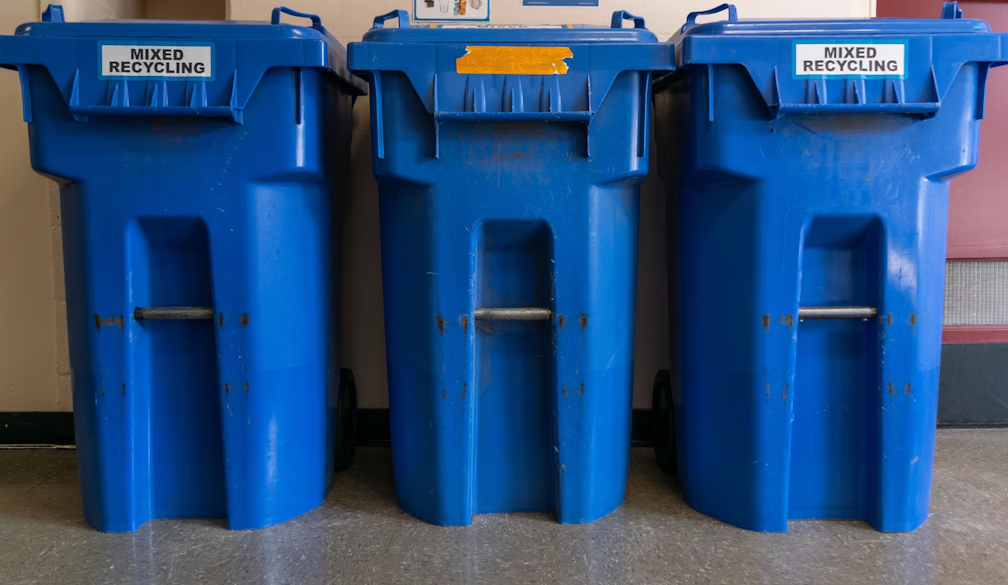
Industrial waste management presents unique challenges requiring specialized containment solutions capable of handling diverse material types, chemical exposures, and high-volume generation rates. Manufacturing processes generate complex waste streams including process byproducts, packaging materials, maintenance waste, and contaminated consumables. The 660-litre bin for large-scale waste disposal applications provides the capacity and durability necessary to manage these demanding requirements effectively. Research from industrial engineering studies demonstrates that properly sized waste containers can reduce handling labor by 35-45% while improving workplace safety metrics. The 660-litre configuration strikes an optimal balance between storage capacity and operational maneuverability for most industrial applications.
Chemical Resistance and Material Compatibility
Industrial environments expose waste containers to various chemical substances that can degrade standard materials over time. Heavy-duty polyethylene formulations used in industrial-grade 660-litre bins exhibit excellent resistance to acids, bases, solvents, and oils commonly encountered in manufacturing settings. Chemical compatibility testing per ASTM D543 standards demonstrates minimal degradation after extended exposure to petroleum products, cleaning solvents, and aqueous solutions across pH ranges from 2-12.
The seamless construction eliminates potential leak points that could allow chemical penetration and subsequent container failure. This monolithic design is particularly critical for industries handling hazardous materials where container integrity directly impacts worker safety and environmental compliance. The smooth interior surfaces facilitate complete drainage and cleaning, preventing chemical accumulation that could lead to corrosion or unexpected reactions.
High-Volume Waste Generation Management
Manufacturing facilities typically generate 2-5 times more waste per square foot than commercial offices, requiring containers with sufficient capacity to prevent overflow conditions. The 660-litre volume accommodates high-generation operations while maintaining collection schedules that align with production cycles. This capacity reduces the number of required containers, minimizing floor space allocation and simplifying waste logistics.
The container design accommodates various waste types commonly found in industrial settings, including bulky packaging materials, process scraps, safety equipment, and maintenance debris. The wide opening and high walls prevent spillage during loading operations, while the robust construction withstands impacts from heavy or sharp objects that could damage lesser containers.
Operational Efficiency and Labor Optimization
Large-capacity bins reduce the frequency of waste handling tasks, allowing workers to focus on productive activities rather than housekeeping duties. Time-motion studies in manufacturing environments show that 660-litre bins can reduce waste-related labor requirements by 25-40% compared to multiple smaller containers providing equivalent total capacity. This efficiency gain translates to measurable cost savings in labor-intensive operations.
The wheeled design enables single-person transport of loaded containers, eliminating the need for multiple workers or mechanical handling equipment for routine waste movement. The low center of gravity and wide wheelbase provide stability during transport, reducing the risk of spills or worker injuries associated with container handling. Ergonomic handle design and smooth-rolling casters minimize physical strain during positioning and transport operations.
Regulatory Compliance and Documentation Support
Industrial waste management is subject to extensive regulatory oversight requiring detailed tracking and documentation. The large capacity of 660-litre bins simplifies compliance procedures by reducing the number of individual containers requiring monitoring and documentation. Each bin can be assigned unique identification numbers for waste tracking systems, simplifying chain-of-custody procedures for regulated waste streams.
The durable construction and long service life provide consistent performance that supports regulatory compliance over extended periods. Container integrity is critical for demonstrating proper waste containment to regulatory inspectors, and the robust design of industrial-grade bins helps maintain compliance standards throughout their operational life. The ability to customize bins with specific markings or color coding supports waste segregation requirements mandated by environmental regulations.


 Business Daily Media