Planning and Executing Efficient Long-Distance Flights
Planning and executing long-distance flights need careful thinking. First, pick the right flight time. This helps reduce the impact of jet lag. Use flight timing tools to check availability. Next, make arrangements for layovers. It is advised to schedule long layovers at major airports for better service. Pack only the necessary items and choose light luggage for comfort. Carry snacks, personal items, and power banks in your hand luggage. Choose a comfortable travel outfit for long flights. For rest, opt for neck pillows and eye masks. Try to stay active and hydrated throughout the flight to fight fatigue. Follow these thoughtful tips for a peaceful flying experience.
Choosing Aircraft for Long-Distance Shipments
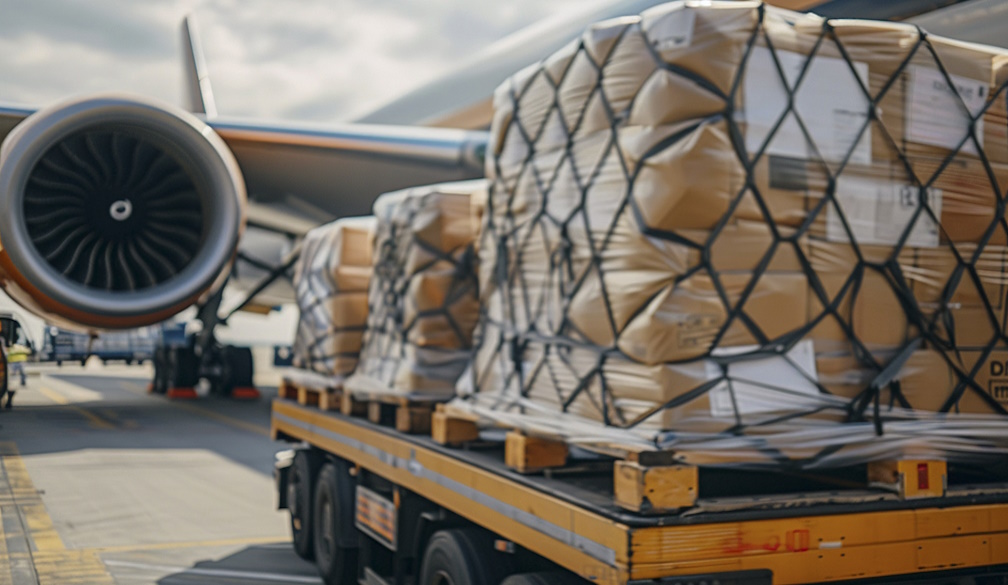
Selecting the right plane is important for sending goods far away. The best aircraft must have enough space and be able to carry heavy loads. It should also be able to fly long distances without stopping. Ask about the kind of products you need to send and their weight. If your goods require special protection, look for planes with temperature control. Make sure the aircraft can handle near or long-distance deliveries. This plan will help your items arrive safely and on time. Choosing the right flying machine saves more money as it helps a lot with fast and safe deliveries. Apply this knowledge today for better shipping.
Staff Training for Long-Distance Flight Operations
The knowledge and skills of your flight crew provide air travel safety. Staff receiving good training know how to work together for smoother, longer flights. They must be ready to handle emergencies with a clear understanding of safety rules. The best crews also help by giving proper pre-flight checks and leading good in-flight operations. Regular training keeps their knowledge fresh and in line with rules. It makes sure they know the best practices and technology. This training must include boarding and landing processes as they are crucial in better flight operations. Flying with a trained crew gives extra peace of mind to the passengers.
Importance of Pre-Flight Planning
Good pre-flight planning makes every flight safe and worry-free. It helps scan weather and air traffic conditions for better decision-making. Flight teams need to check the course, fuel requirement, and plane weight before take-off. This will prevent more stopovers and provide good operational costs. Carrying extra fuel is necessary for uncertain situations. This good planning saves time and cuts down on extra costs. During a flight journey, a solid plan helps in safely and quickly responding to any changes. Following this step makes sure your flight follows the schedule and operates well, helping reduce delays and improve air travel.
Using Advanced Materials and Technologies
Using advanced materials and technologies in aircraft design gives the best flying experience. Lightweight materials like carbon and aluminum make the planes fly better and save fuel. Better engines improve performance and lower fuel use. New designs lessen wind resistance, helping the plane fly quickly and save energy. Most importantly, modern technology helps in easy airplane-like control for the best flying experience. To make sure your plane has good control and safety systems, fly more miles. Improving the airplane's performance helps save more fuel and cut down on operational costs. This step improves air travel and makes it better for companies and users.
Upgrading Flight Systems for Better Efficiency
Advanced flight systems can make a big difference in the success of long-distance trips. Modern autopilot technologies help pilots manage longer flights with less fatigue and better precision. Before setting out, pilots should make sure their aircraft is equipped with reliable navigation and control systems. Installing upgraded components, such as using a Garmin autopilot install kit, provides improved flight management and smoother handling during extended travel. With such systems in place, pilots can focus more on monitoring weather, maintaining communication, and ensuring passenger safety. Preparing with upgraded technology supports smoother, more secure flights over long distances.
Conclusion
Taking care of pre-flight parts helps save fuel and improve airplane functioning. This guarantees that the plane is ready to operate promptly and in the safest way possible. Added engines improve plane power and cut back on energy usage. Checking the body's aerodynamic design helps in better wind current and less fuel consumption. Updating the plane's control system improves safety during flights. More careful pre-flight checks and simple operational procedures help keep the flight running on schedule. Following these useful guidelines helps improve operational efficiency and cut down on energy use, making air travel more cost-effective and sustainable over time.


 Business Daily Media