Melbourne’s Changing Weather and What It Means for Your Ductwork
Everyone in Melbourne has said it at least once “It feels like four seasons in one day.” That unpredictability is part of the city’s charm, but it also puts pressure on your home, especially the parts you do not see every day. One of the areas most affected by changing weather patterns is your ductwork.
Fluctuating temperatures, humidity swings, and seasonal extremes all impact how your ducts perform. Whether it is heating in July or cooling in January, your system relies on consistent duct function to keep your home comfortable and energy-efficient.
This article breaks down what Melbourne’s shifting climate means for your ducts, what signs to watch for, and how to stay ahead of potential problems. At Mr Duct Cleaning Melbourne, we know local conditions inside and out and we tailor our duct services to protect your home from the effects of this unique climate.
Overview: How Melbourne’s Climate is Changing
Over the past decade, Melbourne has seen some noticeable changes in weather trends. Summers are bringing more days over thirty-five degrees, creating extended heatwaves that push cooling systems to their limits. At the other end of the scale, winters are staying colder for longer, with surprise cold snaps that stretch into spring.
Humidity and rainfall have become more unpredictable, swinging from dry spells to heavy storms within days. These fluctuations make it hard for any home system to stabilise, and your ductwork takes much of that impact behind the scenes.
There is also the frequent shift in temperatures across a single day. You might start your morning in a jacket and end the afternoon with the air conditioning on. That constant adjustment means your ducts are expanding, contracting, and working harder than they used to.
Many homeowners we work with mention how their home no longer feels as balanced as it once did some rooms stay cold, others overheat, and the energy bills keep creeping up. The weather is changing, and your duct system needs to adapt with it.
What Weather Extremes Do to Your Ductwork
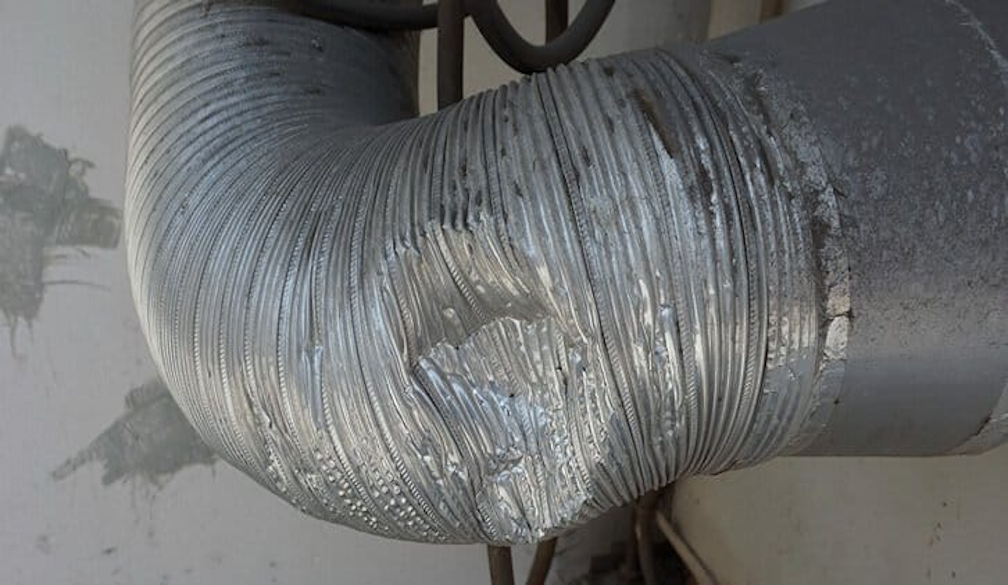
When temperatures rise and fall rapidly, your metal ductwork expands and contracts. Over time, this movement loosens joints, weakens seals, and creates gaps where air can escape. That means your system has to work harder to deliver the same level of comfort, which increases energy usage and strain.
Humidity spikes can lead to condensation forming inside or around ducts, especially in roof cavities or subfloors. This moisture creates ideal conditions for mould and mildew, which not only damage the ducts but also compromise indoor air quality.
Seasonal winds and dry periods bring a fresh wave of dust and pollen into homes across Melbourne. If your ducts have small cracks or are not properly sealed, those particles get drawn into the system and recirculated through your living spaces. That is particularly concerning for allergy or asthma sufferers.
Your HVAC system also faces increased workload from quick temperature changes. When the ducts are not functioning at full capacity, the system runs longer and less efficiently. That accelerates wear and shortens the life of the unit.
Insulation also suffers under fluctuating conditions. Older or poorly installed duct insulation can degrade, sag, or lose effectiveness, especially in roof spaces where heat builds up in summer and freezes over in winter.
Even something as small as a loose duct joint can cause noticeable discomfort in a single room. You might find one bedroom always feels colder than the rest, or a study never quite warms up. It is often these little signs that point to a bigger weather-related problem inside your ducts.
Signs Your Ductwork is Being Affected by Climate Stress
If your home feels different as the seasons shift, your ductwork might be trying to tell you something. Inconsistent room temperatures, even when your thermostat is set correctly, can indicate airflow imbalances or insulation breakdown.
You might also notice musty or stale smells that appear during seasonal changes. That could be mould forming inside ducts due to condensation or hidden leaks.
Noises from the ducts like popping, banging, or whistling often become more noticeable during hot or cold spells. That is usually caused by metal reacting to temperature swings or pressure changes in damaged sections.
Rising energy bills across multiple seasons, despite no major change in usage, are another sign your ducts may be leaking air or struggling to perform.
Indoor air quality often takes a hit during allergy seasons. If you are noticing more dust, itchy eyes, or sneezing at home, your duct system may be drawing in and spreading allergens.
It is always worth scheduling a seasonal duct check, especially after Melbourne’s transitional months like spring and autumn before the system is under peak pressure.
How to Protect Your Ducts from Melbourne’s Climate Extremes
The first step in protecting your ducts is making sure they are properly sealed and insulated. This helps keep warm or cool air inside the system and prevents moisture or outside pollutants from getting in. Good insulation in exposed areas, like roof spaces, is essential to minimise heat transfer.
Booking a duct inspection twice a year, once before summer and once before winter can catch small issues before they become major repairs. Professionals can test for leaks, pressure loss, and airflow restrictions that are not visible to the eye.
Regular duct cleaning is also key. After heavy pollen seasons, dusty spells, or storms, your ducts can fill up with debris that reduces performance. Cleaning them out keeps the air fresh and supports HVAC efficiency.
If there is any sign of mould, professional treatment is the only safe option. DIY mould cleaning in ducts can spread spores and worsen indoor air quality. Our team uses non-toxic treatments that target mould without harming your home.
Older ductwork should be reviewed regularly. Materials that were installed decades ago may not cope with today’s climate. Upgrading ageing systems can improve comfort and energy use at the same time.
Installing smart HVAC systems that respond to temperature and humidity changes can also make a big difference. These systems work best when supported by well-maintained ductwork.
At Mr Duct Cleaning Melbourne, we offer comprehensive duct repair and maintenance service that are built around Melbourne’s weather. Our goal is not just to fix the issue, but to future-proof your system for the seasons ahead.
The Long-Term Benefits of Weather-Proofing Your Ducts
Looking after your ducts pays off across the board. You will notice lower energy bills because your system no longer has to fight against leaks, damage, or poor airflow.
Indoor air quality improves, which means fewer dust particles, better breathing, and more comfort during allergy season. Your HVAC system also lasts longer when it does not have to overcompensate for duct issues.
Room temperatures stay consistent, making your home feel balanced year-round no more hot bedrooms and freezing lounges.
Best of all, you avoid expensive emergency repairs during peak summer or winter. Proactive maintenance means peace of mind when you need your system most.
Conclusion
Melbourne’s weather is always changing, and your home needs to keep up. Ductwork is one of the most affected systems, often absorbing the stress of heatwaves, humidity, and cold snaps without you even realising.
If your home is showing signs of airflow problems, rising energy costs, or stale indoor air, your ducts could be under strain. The good news is, with the right care, you can extend their life and keep your space comfortable in every season.
Do not let Melbourne’s unpredictable weather catch you off guard. Book a duct inspection or repair with Mr Duct Cleaning Melbourne today and keep your system running efficiently all year.


 Business Daily Media