How to Choose the Right Commercial Kitchen Equipment for Your Australian Restaurant
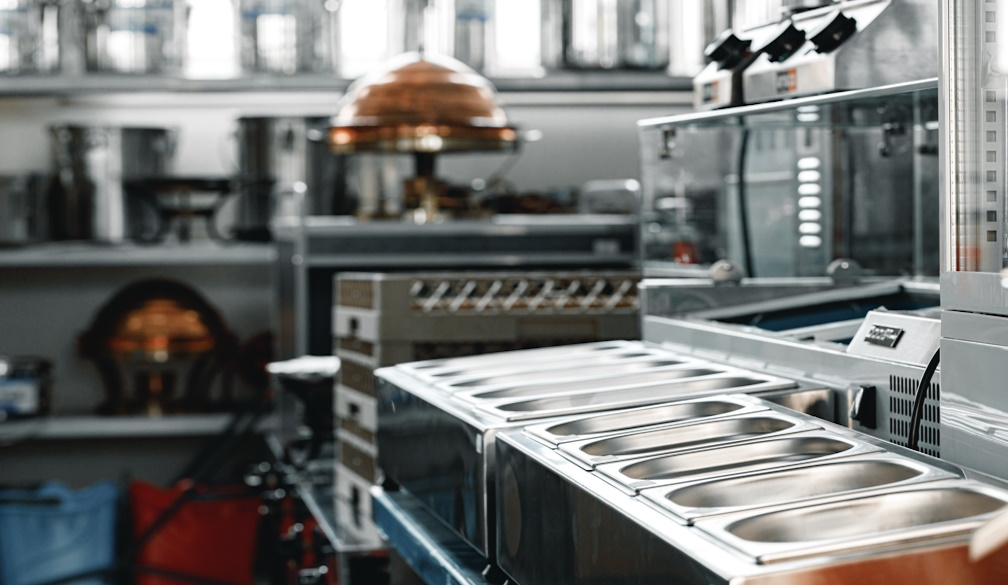
Furnishing a commercial kitchen is one of the most important decisions in the life of a restaurant owner.
It not only affects the quality and speed of your service but also affects your long-term costs and compliance with regulations. Given the large quantity of products and suppliers available, making the right choices could save you a significant amount of money.
Start with What’s on the Menu
You need to cook what you list on the menu, not the other way around. A restaurant specialising in flame-grilled food will obviously need a different setup than a seafood restaurant, a patisserie, and others. Be sure you prioritise the purchase of all appliances that are necessary for the preparation of your core dishes.
Have a critical look at the method of preparation that will be used (grilling, steaming, baking, frying, etc.), and make sure your kitchen will offer the necessary support efficiently. If you are planning seasonal menus, modularity is key. Buy equipment you can upgrade later, or add functionalities to adapt to your new menus.
Estimate Your Service Volume
The volume capacity is also important. If it’s for a small café that caters to 50 people per day, they won’t have the same requirements as a city centre restaurant with high rotation. Having equipment that is too big or too small can be quite problematic. The first case obviously leads to wasting energy and space, which is annoying.
The latter can significantly reduce the efficiency of the kitchen and interrupt the service. This is especially true for dishwashers, combi ovens, refrigerators, or fryers. So getting some key details from the supplier, like the output per hour, and selecting equipment that can serve the projected daily traffic is wise.
Consider Energy Efficiency from Day One
Electricity costs are quite high in Australia and the restaurant sector is known to represent a significant share of that consumption. Choosing energy-saving equipment is no longer an environmental requirement but a key financial opportunity. Always review the Australian energy ratings or MEPS (Minimum Energy Performance Standards) when scrutinising kitchen equipment.
The information supplied is very useful and will help you compare offers in a more accurate way. They may be more expensive up front but these highly-efficient appliances result in long-term savings and reduced environmental impact.
Layout and Workflow Design
The best equipment cannot deliver an outstanding performance if it is within a substandard layout. The kitchen should be designed in an efficient way: storage > preparation > cooking > service. Make sure your equipment fits perfectly in this organisation. Do not install oversized equipment under your tight bench and do not place essential equipment in places too far from where the action is happening.
This includes allowing enough space for your team to move around comfortably. Watch the ventilation effect, safety gaps, and cleaning clearance. Make sure any high-temperature kit doesn’t create localised hot spots in confined areas. Sometimes it’s worth hiring a kitchen consultant or professional designer, particularly if you’re building a new establishment.
Know the Local Regulations
In Australia, the standards for commercial kitchens are strict. The law governs food safety regulations and compliance issues pertaining to gas, electricity, and workplace safety. So, any new kit or equipment must meet the necessary Australian standards, as per the electric and gas kit you choose. Second-hand or imported equipment can skip this requirement, and you might get caught during the audit or inspection time. This is something to look for as part of your purchasing checklists, not a last-minute consideration.
Evaluating Suppliers: What to Look For
Your supplier is as critical as what you buy. When making your decision, take into account your supplier’s reputation, service history, and potential service offerings. A business that has an understanding of the Australian market and an after-installation service will be worth your while in the long run.
Take note of your warranty coverage, where you can get replacement parts, and if the supplier is adequately equipped to provide technical assistance. Check out kwcommercial.com.au, which offers access to a range of certified commercial kitchen equipment perfect for any hospitality venue in Australia, and focuses on the longevity of the equipment and service.
Invest in Longevity, Not Just Price
You need to stick to a budget, but if you constantly need to repair or replace your kit, you’re not going to save any money. Instead, you will spend far more over the long term. There are also food safety and cleaning aspects to consider. Find a kit that can be easily cleaned and disinfected with sealed elements, tight or no seams, and resilient build quality. If you’re in doubt, ask the questions: how often will this need repairing and cleaning, where to get parts in Australia, and others.


 Business Daily Media