Food Grade vs. Regular Zip Ties: What's the Difference?
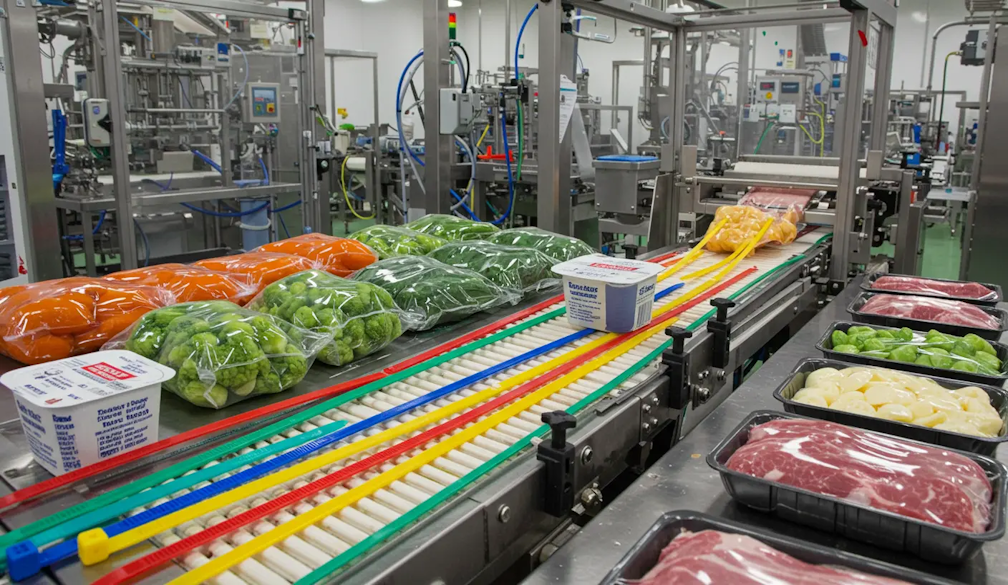
Zip ties, sometimes called cable ties, are multipurpose fastening devices that are utilized in a wide range of settings and applications. While standard zip ties are ideal for various tasks, certain environments, specifically those involving food processing, demand specialized solutions. The types, materials, applications, and advantages of regular and food-grade zip ties are examined in this article.
Understanding Regular Zip Ties
Regular zip ties are usually made from nylon 6/6, a long-lasting and flexible material. Once secured, their self-locking mechanism guarantees a firm grip. These ties are available in different sizes, colors, and tensile strengths, catering to many applications.
Common Types of Regular Zip Ties:
- Standard nylon zip ties: Standard nylon zip ties offer strength and flexibility, making them perfect for multiple applications.
- Heavy-Duty Zip Ties: Made for applications requiring higher tensile strength, ideal for bundling heavy cables or securing large objects.
- Releasable Zip Ties: Having a release mechanism enables them to be reused and adjusted.
- UV and Heat-Resistant Zip Ties: Enhanced with additives to handle prolonged exposure to sunlight and high temperatures, making them suitable for outdoor applications.
Best Materials for Regular Zip Ties:
- Nylon 6/6: Provides excellent durability, chemical resistance, and a wide operating temperature range.
- Stainless steel: Stainless steel is perfect for demanding applications, it offers exceptional strength and resistance to corrosive environments and high temperatures.
Uses of Regular Zip Ties:
- Cable Management: Organizing and protecting electrical wires in residential, commercial, and industrial settings.
- Packaging: Putting products in bundles and sealing bags for delivery.
- Automotive Applications: Protecting hoses, wires, and components within vehicles.
- Home improvement: Includes do-it-yourself and temporary repairs as well as gardening.
- Construction: Securing temporary fencing and rebar.
- Aerospace and Defense: Protecting wiring and components in aircraft and military equipment.
Food-Grade Zip Ties
Food-grade zip ties are crucial in settings like food processing or pharmaceuticals where contamination is a concern. These ties are specially designed to follow stringent safety guidelines that guard against foreign materials compromising the product's integrity.
Key Features of Food-Grade Zip Ties:
- Metal Detectability: By including metal particles in the nylon, these ties can be found using common metal detectors, guaranteeing that any broken parts are found before the product is distributed.
- Observance of Safety Standards: Made from non-toxic materials that meet food safety standards, guaranteeing their safety for direct contact with food items.
- High-Temperature Resistance: Can handle extreme temperatures mostly encountered in food processing environments.
Best Materials for Food-Grade Zip Ties:
- Metal-Detectable Nylon: Conventional nylon is combined with metal particles for detection purposes.
- Polypropylene: Because of its chemical resistance and non-toxic qualities, polypropylene material is utilized in certain food-safe applications.
Uses of Food-Grade Zip Ties:
- Food Processing Plants: Securing bags, packing produce, and arranging cables in locations where preventing contamination is essential.
- Pharmaceutical Manufacturing: This helps in managing equipment and packaging in sterile environments.
- Beverage Production: Arranging cables and securing parts in canning and bottling lines.
- Dairy and Meat Processing: Keeping work areas well maintained and ensuring compliance with safety standards.
- Medical and laboratory environment: In healthcare facilities and laboratories, sterile tools and containers are kept safe.
- Breweries and Wineries: This keeps production lines efficient and contamination-free.
Benefits of Food-Grade Zip Ties:
- Enhanced Safety: Any accidental contamination is promptly identified and addressed because of the metal detection capability.
- Regulatory Compliance: This meets industry standards and regulations for food safety, which reduces the risk of non-compliance penalties.
- Durability: Preserves integrity and strength under various environmental circumstances, such as exposure to moisture and temperature changes.
- Minimizes Product Contamination: This reduces the risk of foreign objects entering the food supply.
Comparative Overview: Food-Grade vs. Regular Zip Ties
|
Feature |
Regular Zip Ties |
Food-Grade Zip Ties |
|
Material Composition |
Nylon 6/6, Stainless Steel, and other materials |
Metal-detectable nylon, Polypropylene |
|
Detectability |
Not detectable by metal detectors |
Detectable due to embedded metal particles |
|
Applications |
General-purpose use across multiple industries |
Specialized use in food processing, pharmaceuticals, and other contamination-sensitive environments |
|
Compliance |
Not necessarily compliant with food safety standards |
Designed to meet stringent food safety regulations |
|
Temperature Resistance |
Standard temperature resistance |
Higher resistance to extreme heat and cold |
|
Reusability |
Some varieties are reusable |
Typically single-use due to strict contamination prevention |
Choosing the Best Zip Tie for Your Needs
The setting in which they will be used should be considered when choosing between regular and food-grade zip ties. Standard nylon or stainless steel cable ties provide durability and versatility for general use. However, food-grade zip ties offer the required safety and compliance features in regulated industries like healthcare, pharmaceuticals, and food production.
Choosing the correct zip tie is essential for ensuring safety, compliance, and efficiency in your operations. Food-grade zip ties offer the features required to avoid contamination in delicate environments, even though ordinary zip ties are adaptable and appropriate for many different uses. Understanding the differences between these types will aid in making the right decisions tailored to your specific needs.


 Business Daily Media