3 Simple Ways to Improve Safety Standards at Your Workplace
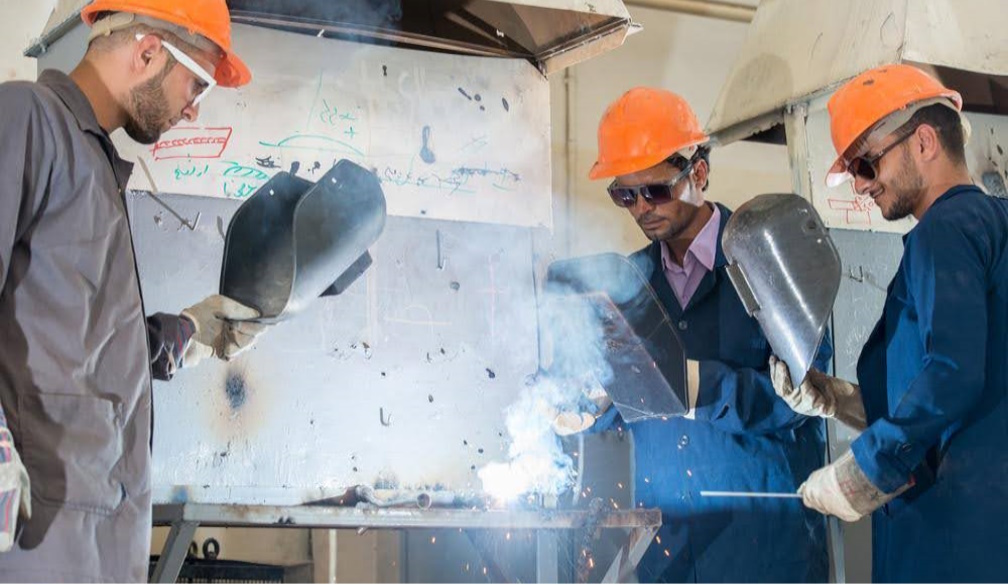
Ensuring workplace safety is crucial for every business, as it not only protects employees but also enhances productivity and morale. In the modern workplace, maintaining rigorous safety standards is a key factor in fostering a supportive and secure environment. By adopting a proactive approach and integrating effective safety measures, businesses can significantly reduce the occurrence of workplace accidents and injuries. Keep reading to learn a few smart ways to improve safety at your workplace.
1. Conduct Regular Safety Training
Safety training is a cornerstone of a secure workplace, providing employees with the knowledge to handle potential hazards effectively. Regular training sessions help reinforce safe practices and update staff on new safety protocols specific to your business operations. It's crucial to tailor these trainings to address specific risks associated with different roles within the company to maximize their effectiveness.
With over 224,935 preventable deaths recorded in 2021, according to the National Safety Council, it's evident that many accidents can be mitigated through proper training. Employees who are well-informed about safety protocols are more confident and less likely to engage in risky behaviors. Additionally, involving workers in developing safety training content can lead to more relatable and memorable sessions.
Documentation and feedback are essential components of a successful training program. By maintaining records of training sessions and encouraging employee feedback, businesses can identify gaps and make necessary adjustments. This practice not only boosts confidence among employees but also demonstrates the company's commitment to their well-being.
2. Eliminate Slip, Trip, and Fall Hazards
Slips, trips, and falls are among the most common workplace accidents, making their prevention a top priority for any business. Regular inspections of the workplace environment can help identify potential hazards such as wet floors, loose cables, and uneven surfaces. Implementing measures like non-slip mats, proper signage, and adequate lighting can significantly minimize these risks.
According to the National Floor Safety Institute, fractures are the most serious consequence of falls, occurring in 5% of all people who fall. By fostering a culture of vigilance, businesses can encourage employees to report hazards immediately. This collective effort not only helps in swiftly addressing risks but also promotes a sense of community and shared responsibility among staff.
Routine walkthroughs and risk assessments are vital in maintaining a safe workspace. Creating dedicated teams to oversee these evaluations can ensure that slip, trip, and fall hazards are consistently identified and mitigated. These initiatives also convey to employees that their safety is a priority, fostering trust and engagement within the business.
3. Improve Communication and Reporting Systems
Effective communication is foundational to maintaining high safety standards in a business setting. Encouraging open lines of communication allows employees to share safety concerns and suggestions without fear of repercussions. Establishing a clear, accessible reporting system enables swift action on reported hazards or incidents.
According to the National Safety Council, 1,054 people in the United States suffer an injury severe enough to require a medical professional every 10 minutes. This statistic underscores the need for robust reporting systems to prevent and address potential safety issues promptly. Technology can play a crucial role here, with digital platforms offering tools for efficient incident reporting and communication.
In addition to digital solutions, face-to-face interactions like safety meetings and briefings can enhance communication. These meetings provide a platform for discussing safety concerns and brainstorming solutions, thereby promoting a culture of continuous improvement within the business. Such initiatives demonstrate management's commitment to safety, reinforcing trust and collaboration among employees.
By integrating these three simple strategies into your business operations, you can significantly enhance safety standards at the workplace. Regular safety training, hazard elimination, and improved communication are key elements that contribute to creating a safer and more productive work environment. Prioritizing safety not only protects your employees but also benefits your business by reducing downtime, boosting morale, and affirming your commitment to a safe workplace.


 Business Daily Media